Reversible Reticule

Reversible Reticule by Joan.in.stitches@gmail.com
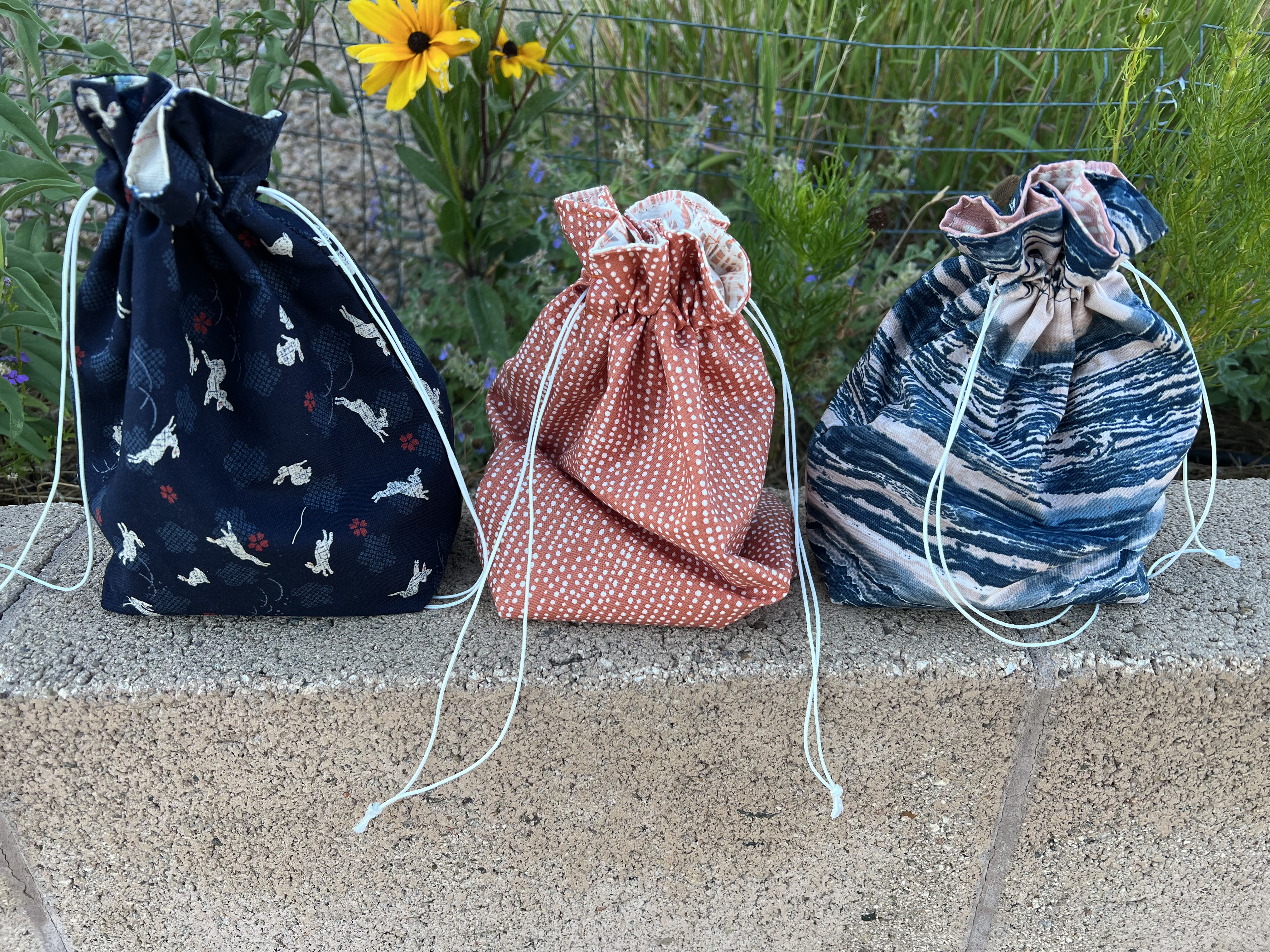
This project started with a largish garlic harvest. In the theme of “If you Give a Mouse a Cookie” it wandered from the need for garlic print fabric to store the garlic heads in to writing a post. Garlic heads like cool dark places, and to breathe. Gift bags to present the garlic in would likely be reused. That is the point of a reusable gift bag, right? Thinking that my dearest friends may not want to walk around with a garlic print reticule, I decided to make them not just lined, but reversible. Kudos to my LQS for having coordinates to the two garlic prints I ordered from Etsy. Choices. Thanks to Nob Hill Fabrics for the six lovely prints used in the photos.

Materials: 2 Fat Quarters Quilting Fabric, 8 feet drawstring, coordinating thread, glue stick and safety pin or bodkin, ruler.

  •  Cut two coordinating rectangles of quilting or other similar fabrics.  Here, I used 9” x 21”. Non directional prints work best. 
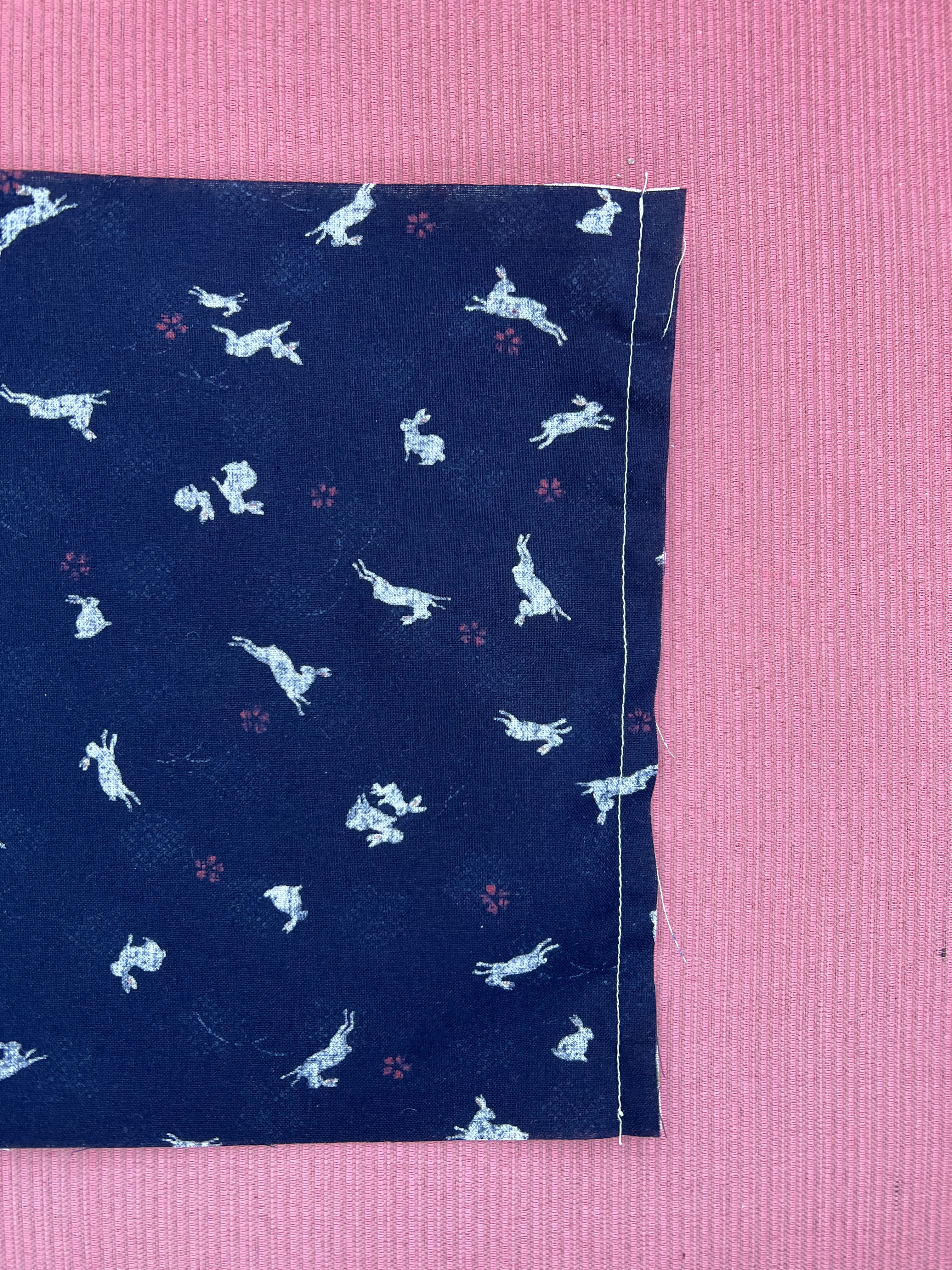
  • Sew the short edges with a 1/2-inch seam allowance with the right sides together.  Leave a 3-inch opening in the center of one edge for turning the bag later. (Step 2 is leaving the opening)
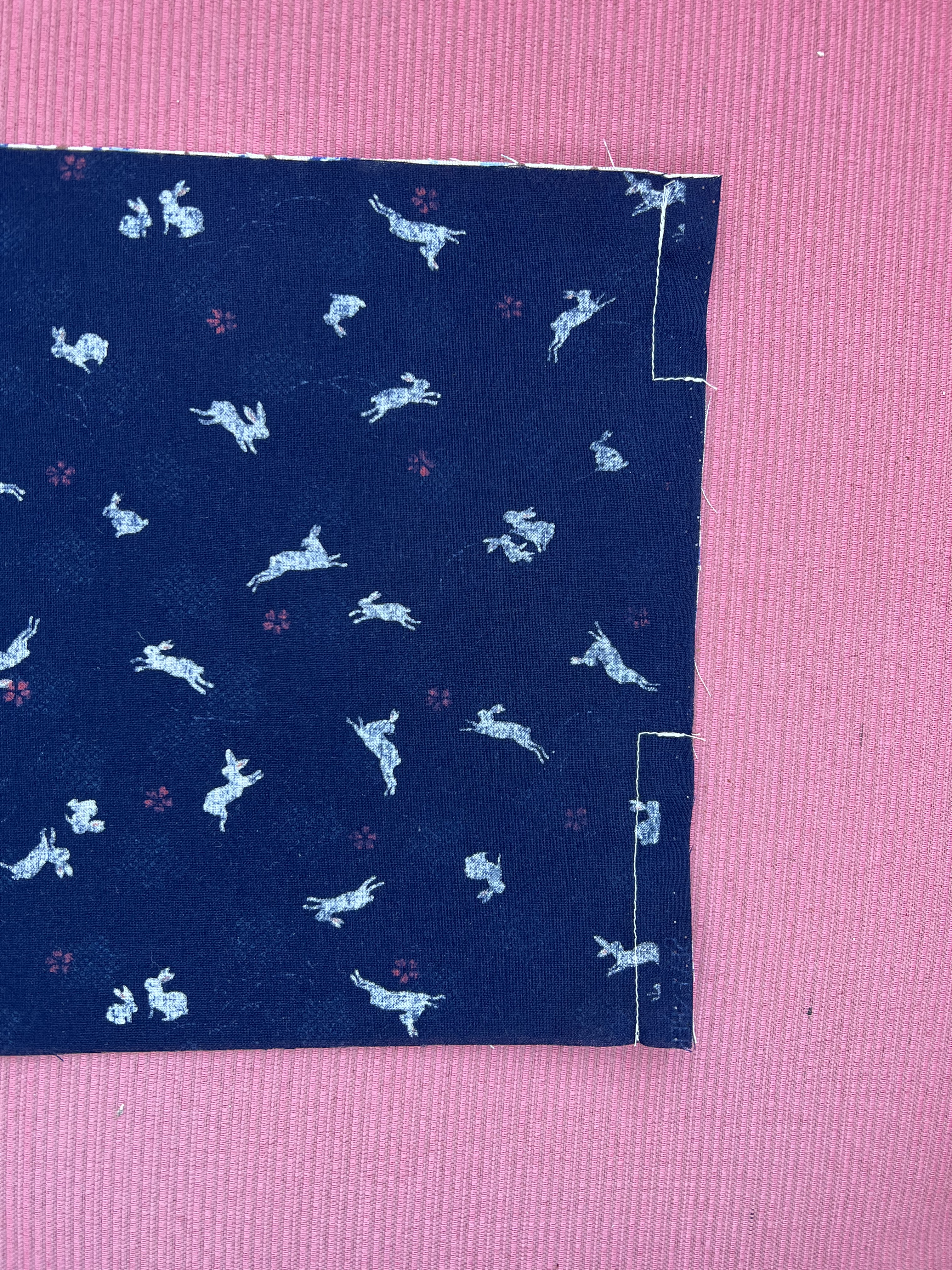
  • Open the two pieces, so that the seams you just made are facing each other, right sides together.  Nest and pin those seams, so that one seam allowance faces left, and the other right. Pin both sides.
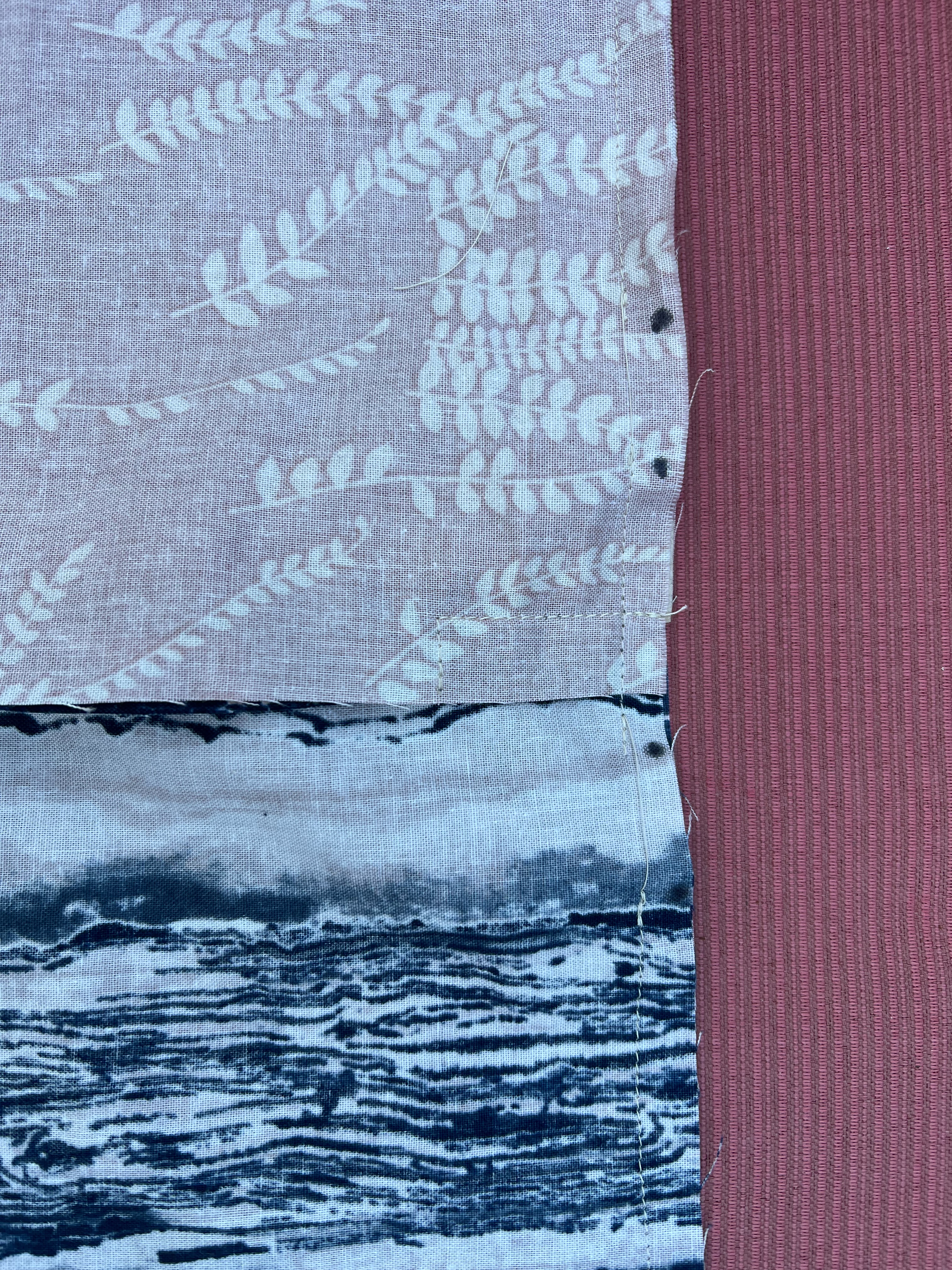
  • Mark your fabric as follows:  With the center of the seams on the 2-inch line of a ruler, mark at 0, 1, 3 and 4 inches.  This will create the opening for the casing. Mark each side.

  • Sew a seam that starts at the fold of fabric “A” and goes to the 0-inch marking.  Back tack there.  Skip the inch between the markings 0 and 1.  Start a seam securely by sewing in place 3-4 stitches at the 1 spot and sew over the center seam to the 3 spot.  Remove pins just before the needle hits them.  Skip the area between 3 and 4.  Start a secured seam at 4 and stitch until you get to the end fold of fabric “B”.   Be sure that your stitching is secured at either end, and that the spaces between marks 0-1 and 3-4 are clearly open.  I generally do not cut the threads in those spots.  Use a ½ inch seam allowance here.
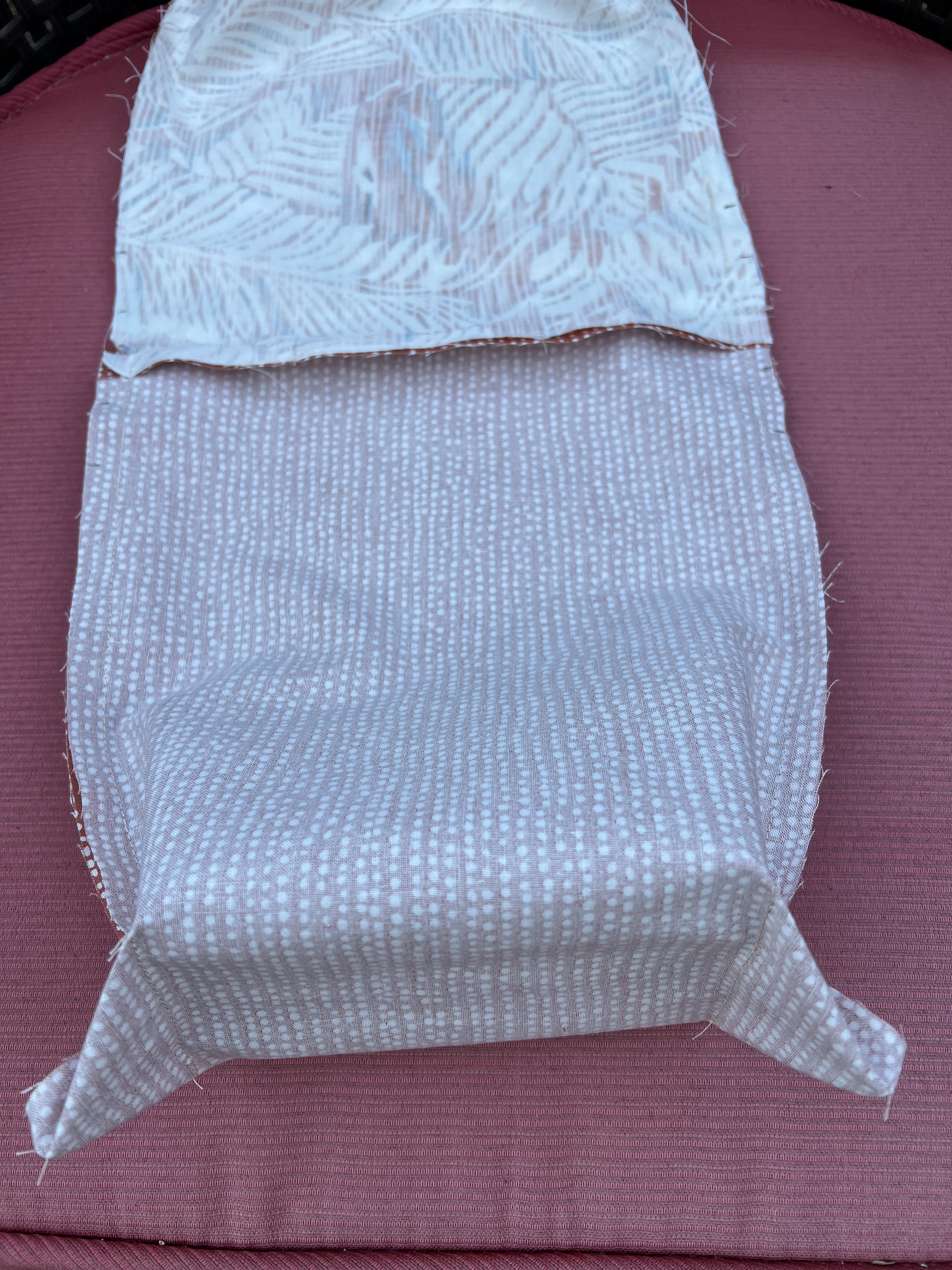
  • Box the corners if you choose.  My favorite method is to draw a 1.5-inch square at the bottom corners.  The fold line will be at one side of the square, and the seam line at the other.  Draw the box at the other two sides of the 1.5-inch square. Open the corner, so the box lines are aligned the seam allowance is pressed open, and stitch across the bottom.   Alternatively, you can “squash fold” each corner, and draw a line that forms the triangle needed to form the “box”.  Repeat for all four corners.  This step gives a 3D form to the bag and is completely optional.
  • Glue the seam allowances. To keep the seam allowances at the casing opening flat and open, you may use fabric glue (glue stick) to secure them.  Run a line of glue stick in the seam allowance where you made the marks for the casing.  Press back one edge at a time after applying the glue.  Wash Away Wonder Tape would work well here.  Repeat this on all four sides. Hand basting could also be done here.
  • Finger Press The remaining seam allowances open, from the area where you glued to the bottom boxed area.
  • Turn your bag right sides out through the opening you made in step 2.  Slip the “lining side” into the outer, push out the boxed bottoms.
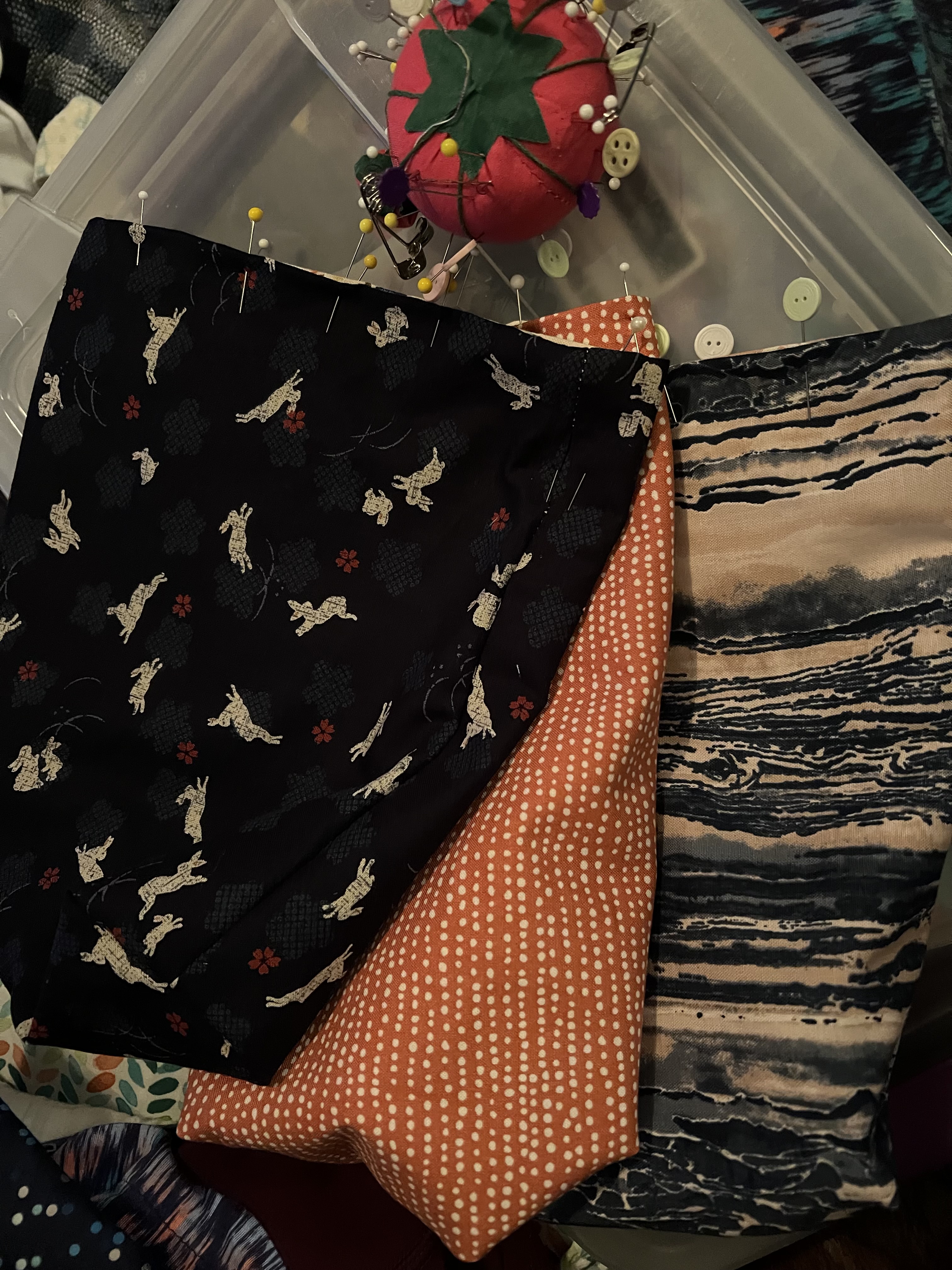
  • Pin the top folded edge all the way around, paying particular attention to the casing openings.  I like to pin each side of these so that the openings line up as close as possible.  Pin the opening that you made in step 2 so that the folded edges line up. 
  • Top stitch the edge.  Use a foot with a seam guide and sew round the very top edge of your bag.  This will seal the opening made in step 2.  Remove pins as you go.
  • Create your casings.  Mark the 1- and 2-inch lines parallel to the top fold or use a seam guide to stitch the two lines that will create your casings. 
  • Slide the cording or drawstring through the bag casings.  I like to cut my drawstrings 3 times the width of the bag.  This bag finishes at 8” wide, so a 24-inch drawstring will go through the bag and leave enough leftover to tie.  Two ties that exit either side will make it easy to pull both sides of the ties to close your bag. 

Have fun with these!  Two bags can be made with two fat quarters, and 8 feet of drawstring.  Try different sizes, keep proportion in mind, with the long edges of your rectangle being more than twice the length of your short end.  Use scraps, or fancy fabrics, embellish, embroider, add trim, tassels, or an edging.  Use your decorative stitches.  Change up the casing sizes with your meter stick and use centimeters instead of inches.

Another efficient use of quilting fabrics would be to use 14 inch wide by 36-inch-long rectangles.  Two one-yard cuts of coordinating fabrics would net you 3 bags that are 13 x 17 finished before boxing corners.  You would need 20 feet of cording for your drawstrings for all three bags.

Happy Sewing!  Joan 8/30/23

Fat Quarter Bags

Looking for a fun and useful project for my beginning sewing students, I found a bag similar to this online, and decided to create a set of instructions that allowed for creative fun and interfacing/batting options. Make some as part of a holiday gift, or party favor.  School colors for a lunch bag would be fun too!

Ingredients:                           Makes two

Two coordinating fat quarters, two yards coordinating ribbon or twill tape for handles, and 12 to 14 inches of narrow ribbon, button and 6.5 x 7.5 scrap for optional pocket.  Optional interfacing/fleece/insulbright 9 x 21 inch for each bag.

First, trim off those selvages (look for selvage projects and keep them in your stash for later).   Cut your fat quarters in half to make two rectangles that are 9 x 21 inches.  Fat quarters are  cut into 22 x 18 inch rectangles, and you will want to start with fabric that does not have an up and down direction.  Or do not mind if your people are all on their sides 🙂 What is most critical here is that your bag and bag lining are cut the same size as each other.

Choose an interior.  Add interfacing/fleece/insulbright to your bag.  They all have wonderful and different qualities that will help the ultimate purpose of your bag.  Want to keep a baby bottle (or your water bottle/lunch/snack)  cool or warm, choose insulbright, it is amazing. First time project, fusible fleece is a little easier to handle once it has been fused to your fabric.  Just a bag for books, a few diapers/wipes/change of clothes, makeup to take you into evening, perhaps a nice interfacing will do the trick.  Experiment and have fun with it!

Cut your interior. InsulBright the same size as one of your bag rectangles.  Any fusible can be cut 1/2 inch smaller, and centered before fusing.  This will eliminate bulk in the seams.

Mark the strap placement.  On the short ends of one rectangle, measure in 2 inches and mark that spot on both sides.  Then mark the center line on one end.  This is where your straps will go.

Optional pocket.  I was lucky to have a nice sized scrap of a coordinating fabric.  Start with a rectangle 6.5 x 7.5 inches.  Fold down the top 6.5 inch across edge 1/4 inch and again 3/4 inches and press, then top stitch on the edge. Then press in 1/4 inch on the remaining three sides.

Center the pocket on the body of the bag with the fusible, and top stitch a line on the very edge and another a presserfoot’s width inside of that one.  The two lines of stitching will keep the top from pulling out.

Optional double ribbon.  place one yard of ribbon against another yard of the same width of ribbon wrong sides t and edge stitch both long sides.  Makes for a sturdier strap.  Cut into two 18 inch lengths and pin two inches in from each side of the top of either end of the bag. Baste this with a 1/4 inch seam.

On the other side, add the 6-7 inch narrow ribbon to the center of the bag and baste across the raw edge.

Place the rights sides of the interfaced bag and the bag lining together and stitch across the side with the ribbon in the center with a 1/2 inch seam allowance. On the other side, stitch from the edge to just past the first strap, and then pivot and stitch off the edge of the bag making an “L” shaped seam.  Make a similar seam on the other side, starting from the edge, and coming into the bag to the 1/2 inch seam allowance and pivoting to finish off the seam.  This leaves a nice opening for turning the bag right side out later.

Open the bag so that the seams you just made are in the middle and the interfaced bag is on one side, and the lining on the other.  Pin the seams together so that one goes left and the other right, and the actual seam nestles into the other seam.

Box Bottom measure up from the bottom fold 1.25 inch and in from the raw edge on the side 1.75 inches on all four corners of the bag.  Clip these lines. This made my bag bottom 3×5 inches.  If you want a more slender but wider bag, try cutting out the bottom squares one inch from the bottom fold and side seam line instead of one and a quarter inches.

On either long side of the bag, make a seam with a 1/2 inch allowance.   Then on each corner, bring the bottom fold to meet the center of the seam, closing off the corners.

Make a seam to close this opening with a 1/4 inch allowance.  Your bag will look like this when you are done.

Turn the bag right side out.  Pull the bag lining through first.

Then the remainder of the bag.  Slip the interfaced part of the bag inside the lined part and edge stitch all the way around to fully close off the opening.  The “L” seam you made earlier makes this job go more smoothly.

Hand sew a button on to either  side opposite the area where the center ribbon is, so that you can close your bag.  Snaps would also be fun here too.  It is always a good idea to prewash, or use Color Catchers the first wash!

Now go forth and make the second bag.  They make great gifts!   Think small essentials bag.   Perhaps a project in progress bag.  Consider bags in different sizes.  


It is in the bag!

Simple formula for lined bag with your choice of size, handle and closure!  So easy it is already “in the bag”.


Working with new sewists, I am continually on the look out for quick to make and clever useful projects.  More experienced seamsters can whip these out in batches. Early in the game sewists can experience easy success!    Teacher gifts, party favors, so many uses!  I am considering small bags from theme fabric to house a bar of hand made soap for an upcoming bridal shower.

Start with scraps if you like.  You will need two same size longish rectangles.  The formula is as follows:

Desired bag width plus 1 inch for seam allowances.  Desired height of bag times 2.5 to 2.75 for a generous flap.  If you have a specific item to bag, measure it now!

Play around with what you have on hand to start with and have some fun!

Right sides together, with a quarter inch seam allowance, sew both rectangles along one short side.

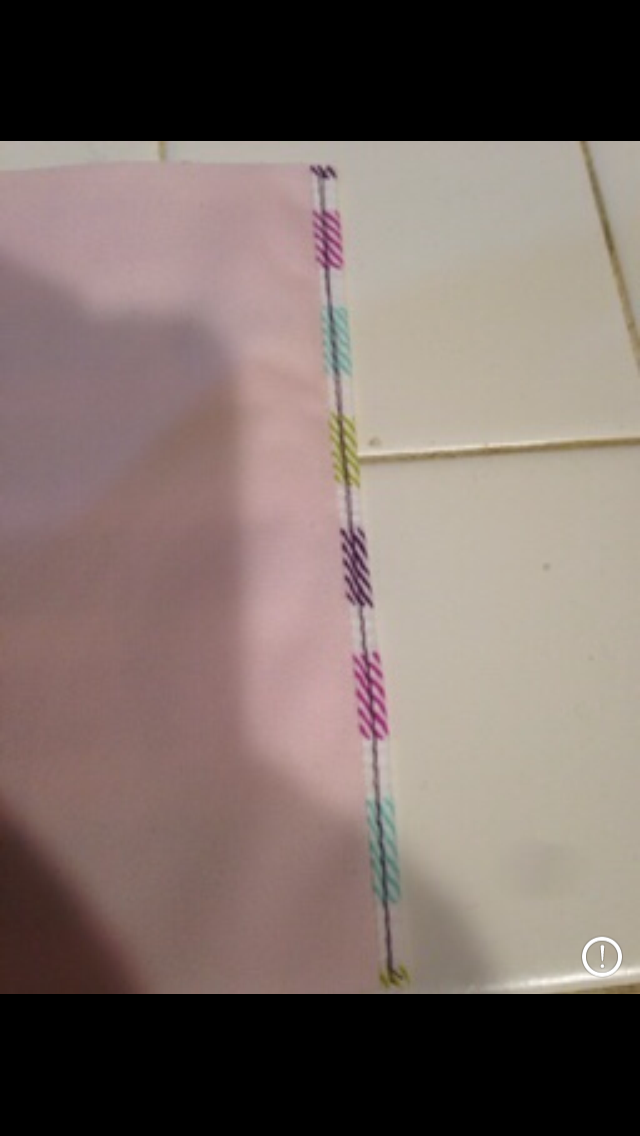
Open this.  Press the seam allowance towards the lining, and under stitch.  Under stitching will roll the seam towards the lining so this edge looks really clean.

image

View of back side of bag after under stitching and top stitching!


Press and top stitch with a fancy stitch if you like.  If you plan to close your bag with hook and loop tape, include one side of the tape along the edge of the front of your bag now.

image

For a firmer flap add a bit of fusible interfacing!

Align your work and trim off any excess fabric that may be caused by the under stitching.    With right sides together, pin the pieces together and draw a fancy shape for the flap, or leave it straight.  A hex ruler might be a nice tool to keep both sides symmetrical.  Stitch this seam.  A straight seam would under stitch nicely!

Optional “wrap” the corners of your fancy cut flap.

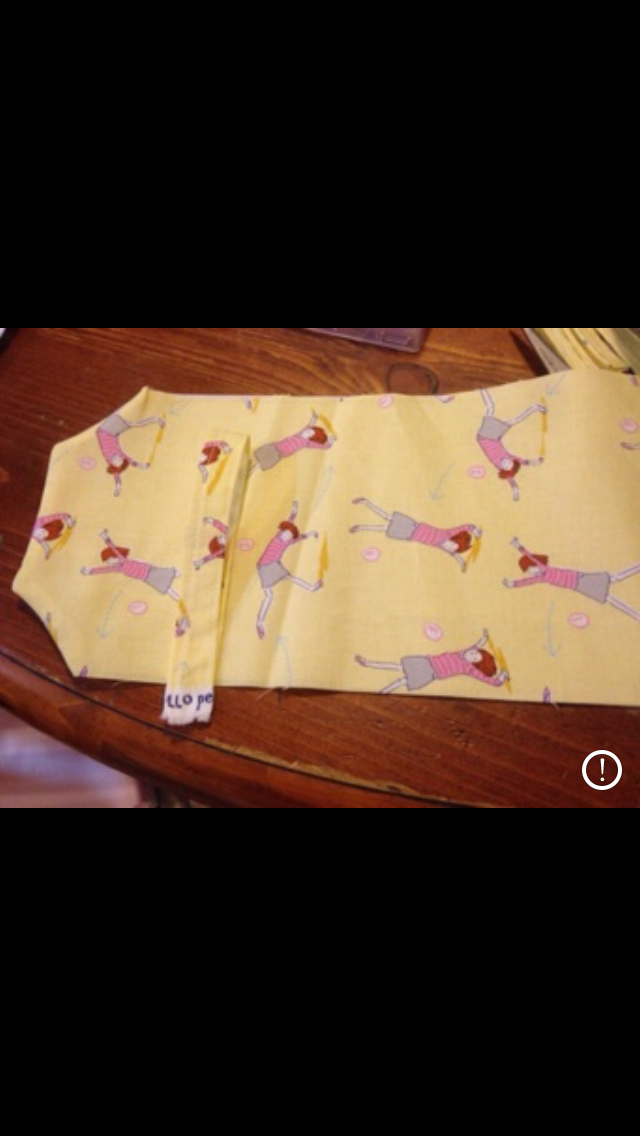
Make a strap!  A 14×3 inch rectangle folded rst lengthwise, stitched with a quarter inch seam turned and top stitched works great.  As does ribbon, webbing or twill tapeimage

Pin your strap that has been folded in half with raw edges aligned to the raw edges of the bag and the folded edge towards the center of the bag.  Set it just below where your flap ends and the bag begins so that it ends up near the top of your bag.  Baste in place.  In the photo my strap raw edges extend past the raw edge of the bag. This adds security and keeps the selvages on the strap from showing on the finished bag.


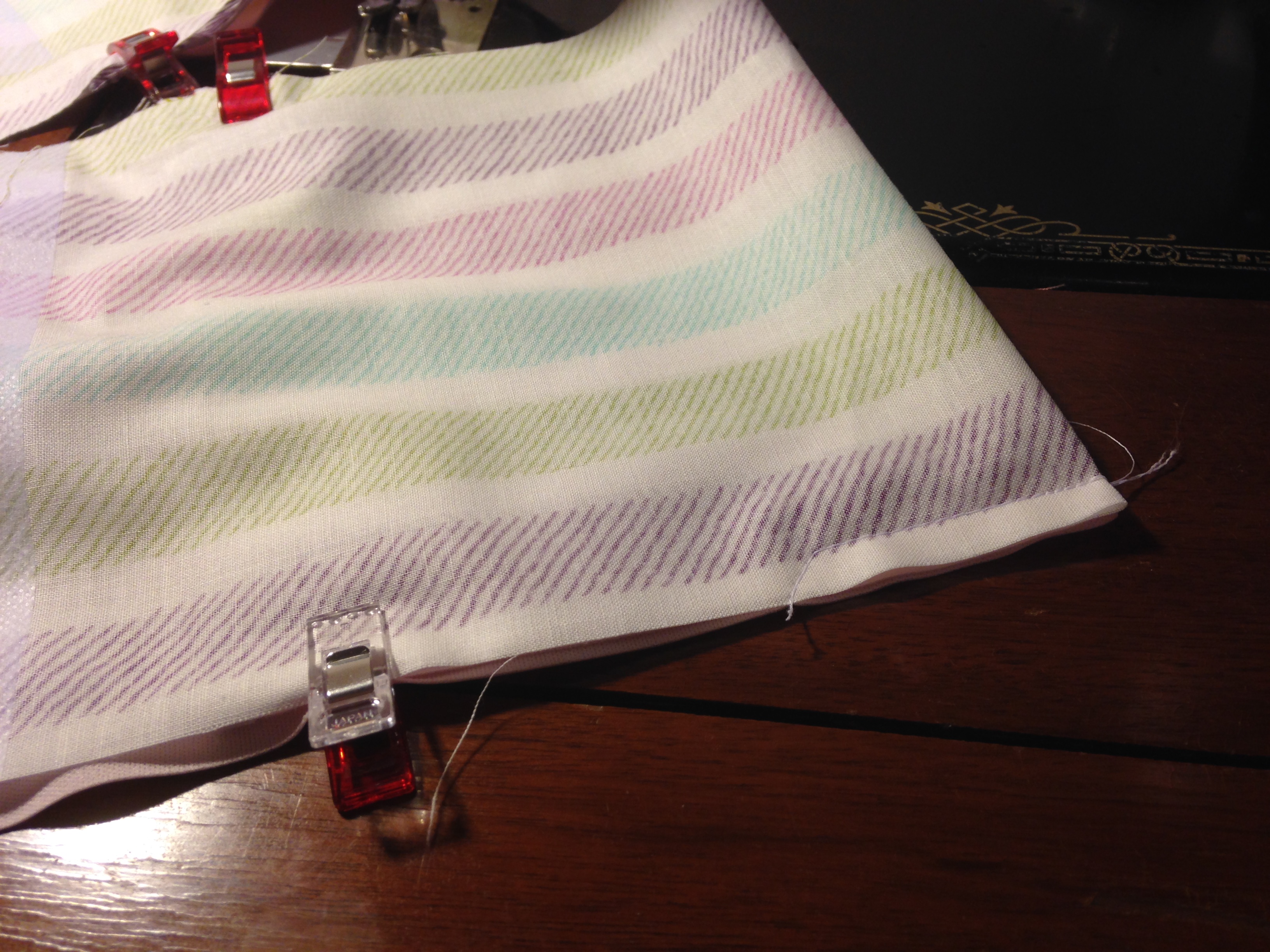
Now on for the tricky part:  See above, pull the bottom of the bag so that it covers the strap.  Pin the bag (both layers) to the outside cover only of the front of the bag on the right and left sides.  Then slip the lining of the bag over the front of the bag.  This basically turns the bag wrong side out and the lining will form a loop on top with the outer bag also forming a loop on the bottom.  The bag portion will be tucked up into the flap, but only just past the strap.    The remainder will be the flap.  If you are creating a specific size bag to fit a particular item.  Now is the second good time to measure.  (The first would be before you cut the fabric.) In the photo I used clips, as I had lined these bags with PUL.


image

Side seam stitched with “L” seams!

Align right sides together, and make a 3/8 inch seam along this edge.  Making sure to back stitch over the strap to secure it.

Make sure the second side of you bag is lined up and symmetrical to the side you just sewed.

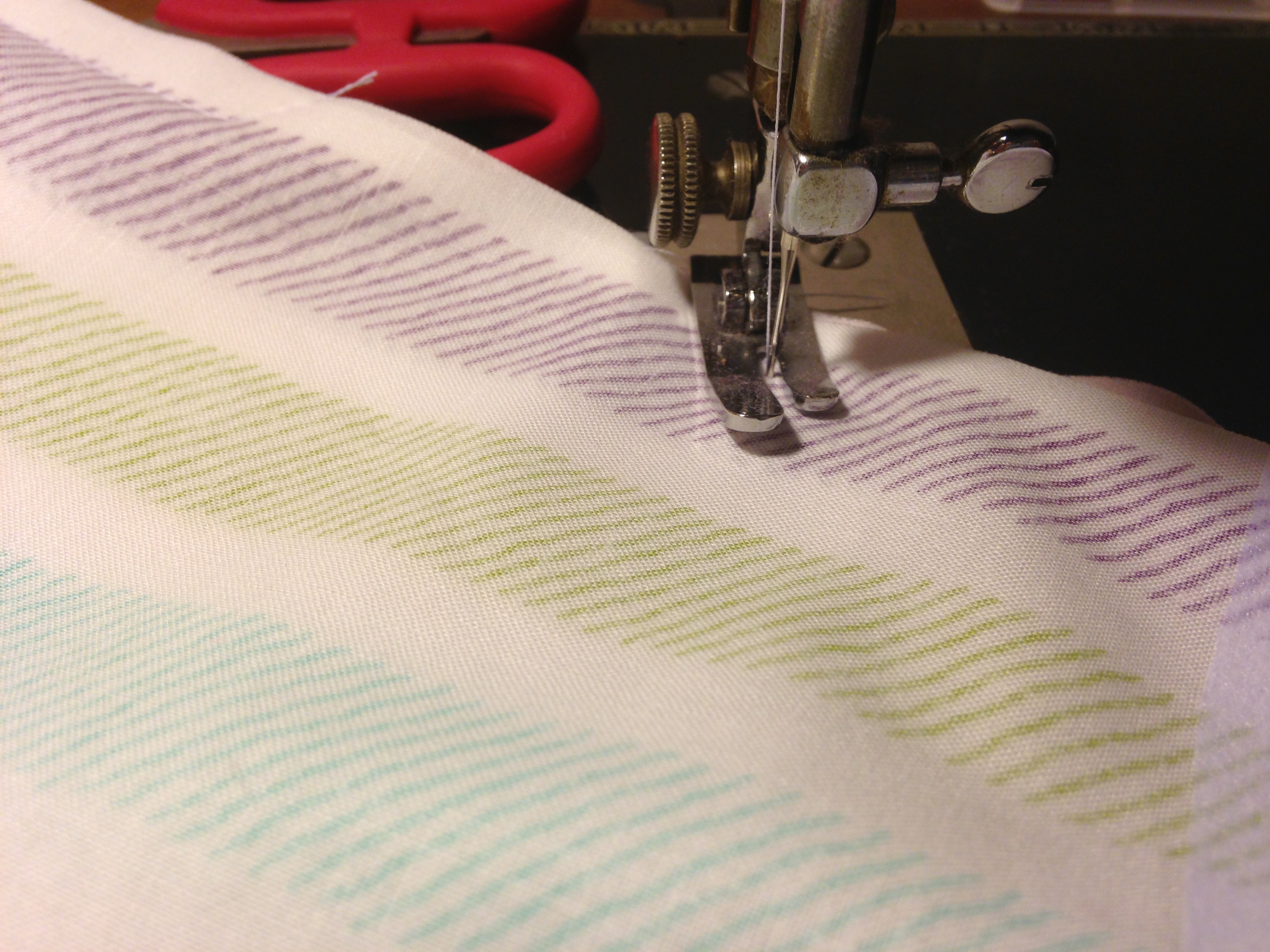
Create two “L” seams along this edge.  Start at the top and just about a half inch after you sew across the many layers of the sides of the bag.  Pivot and stitch to the edge creating a seam that looks like the capital letter “L”.  Then a few inches later along this edge, make another “L” seam that serves two purposes.  It leaves a clean and sturdy opening for turning and finishes the side seam of the bag.  A small bag needs a smaller opening than a larger bag.

image

Second half of “L” seam!

Suggested ratio would be to leave an opening half the length of the bag side.


Flip it the bag right side out, this may take multiple flipping to be sure the lining is on the inside.  Poke out corners with a handy tool (chopsticks work great here!).  Pin the opening closed with the raw edges neatly tucked inside.  Top stitch narrowly to ensure that the opening is securely closed.


Complete the closure by adding the other half of the hook and loop tape to the inside of the flap, or add snaps, buttonholes and buttons, or whatever makes your heart happy. Kam Snaps make my heart happy!  I get mine locally at Hip Stitch and would be glad to show you how easy they are to apply.  A pattern with measurements, and possibly kits will be available in July 2016.

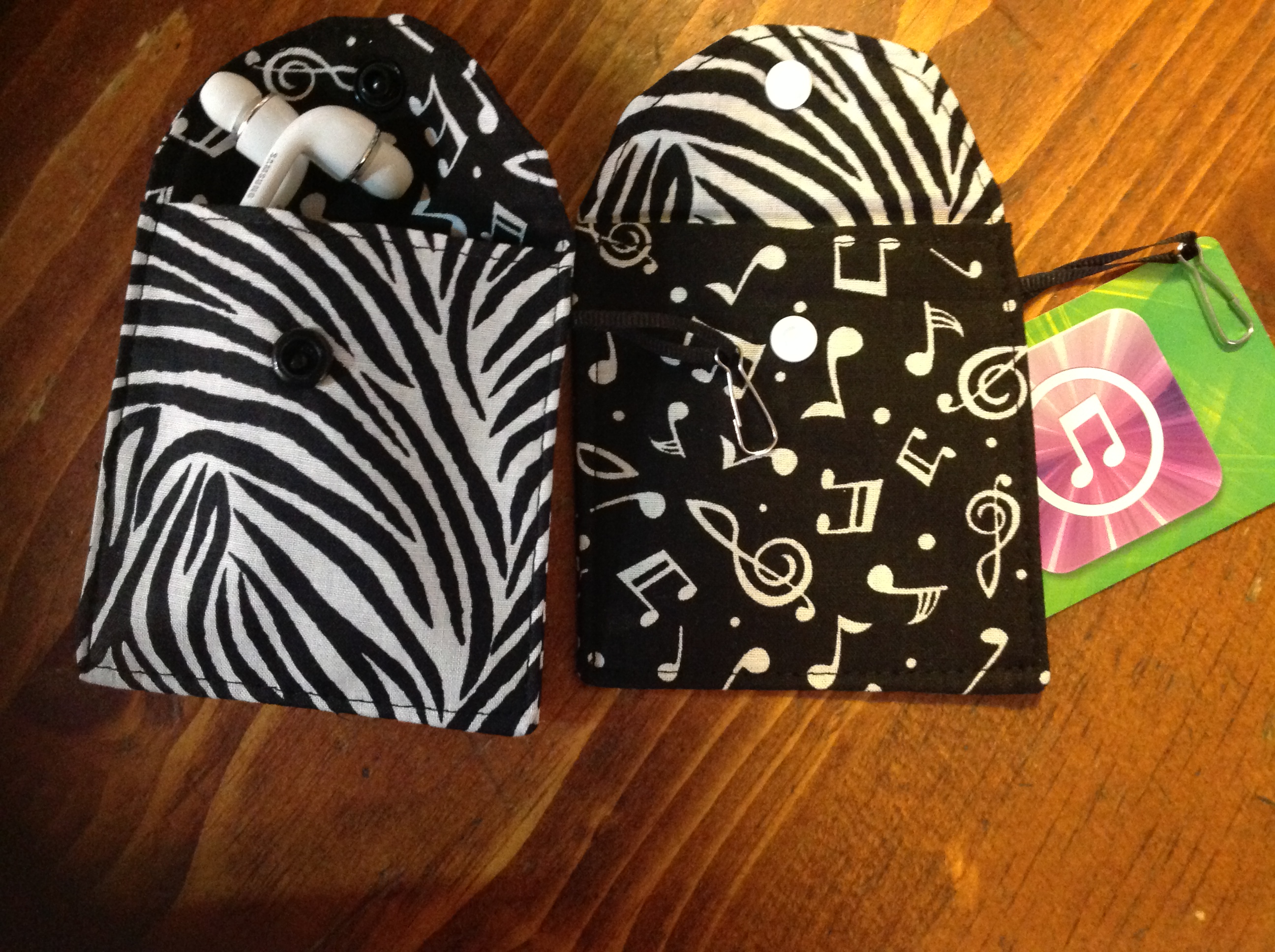
This makes a great snack bag, holiday gift bag, cosmetics, or think fusible fleece for an electronics bag.

Happy sewing!  Joanimage