

It was a joy to test the newest sweatshirt pattern from 5 out of 4 patterns. Jessica really knows her sweatshirts, and we are at the beginning of cold weather here, so the timing could not have been better. This my version of Leslie. I have a preference for a cardigan style, so I can put on or remove my outer layer without messing up my hair. It also works for when you just want to cool off a little bit, and open the cardigan without completely removing it. Folks with limited mobility, or nursing mommas might appreciate it as well.
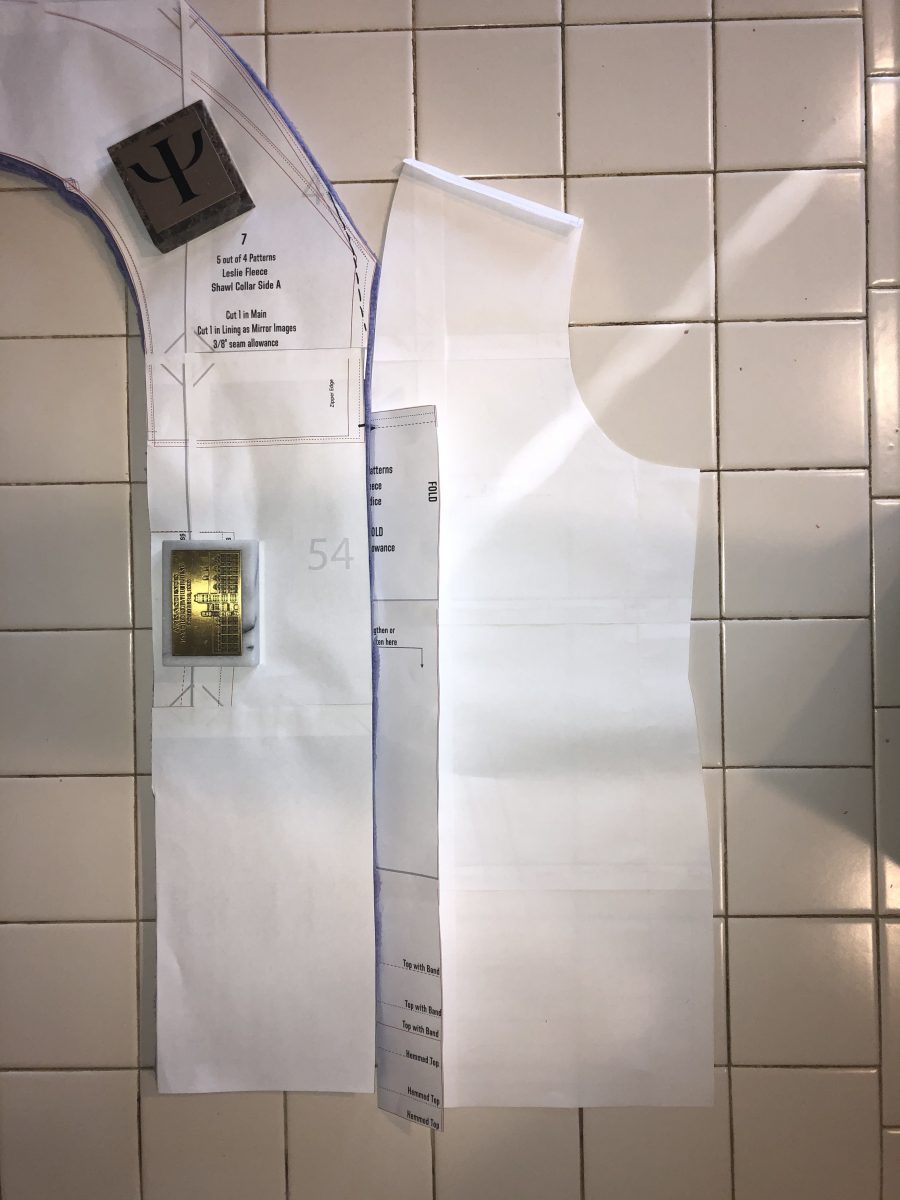
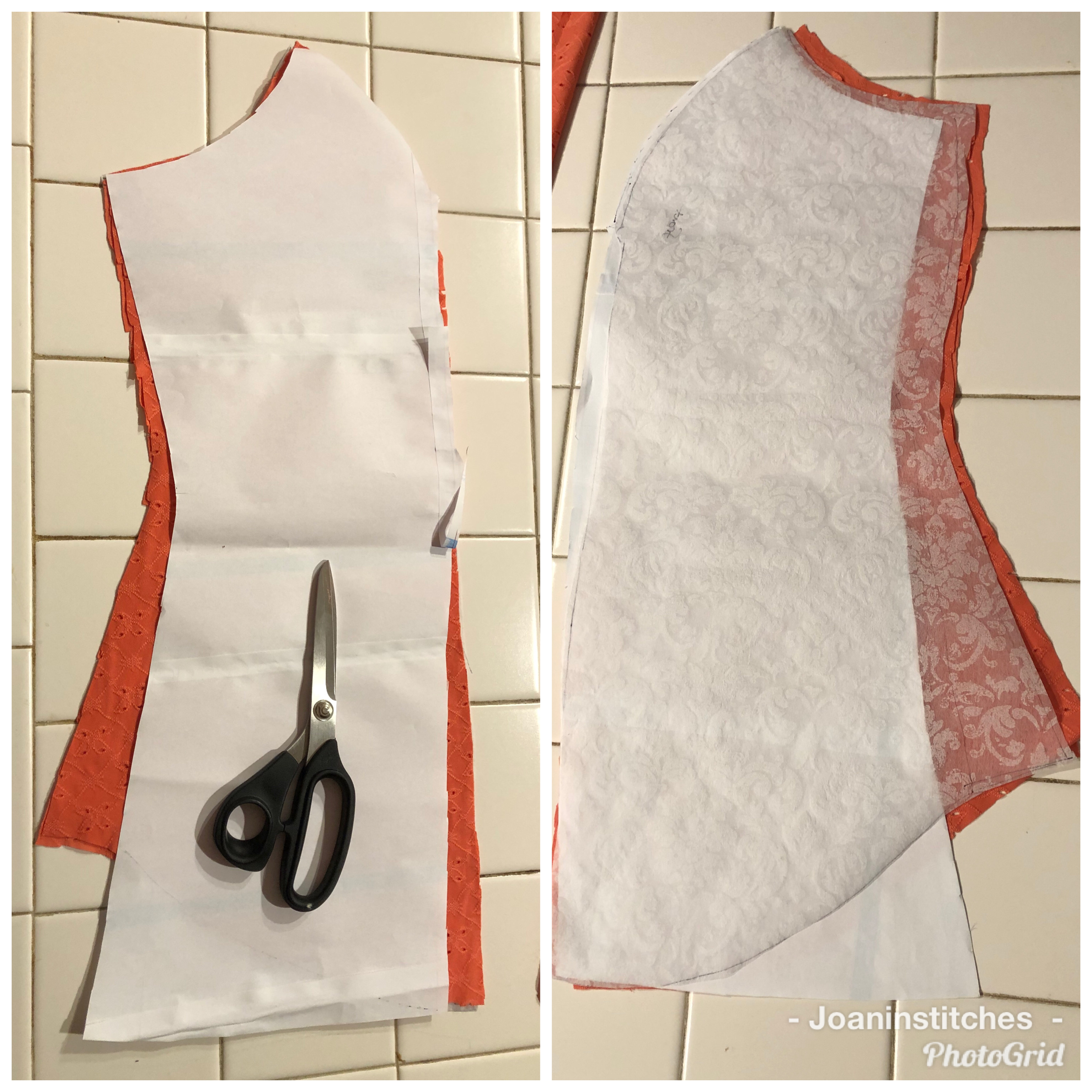
To begin, I altered two pattern pieces. Both the front, and the shawl collar. For the front, I simply folded back the few inches of the center front. I marked where the seam lines of the bottom of the placket and the top of the shirt would normally meet, and created a new “notch” or marking both there and on the other side of my shawl.
For the shawl collar, I just extended the shawl side B to almost match the full length of the front piece. I left the front piece to be about 3/4 inch longer. I opted to use the fuller shawl piece. Cut four shawl pieces (mirror images), and two fronts (not on the fold).
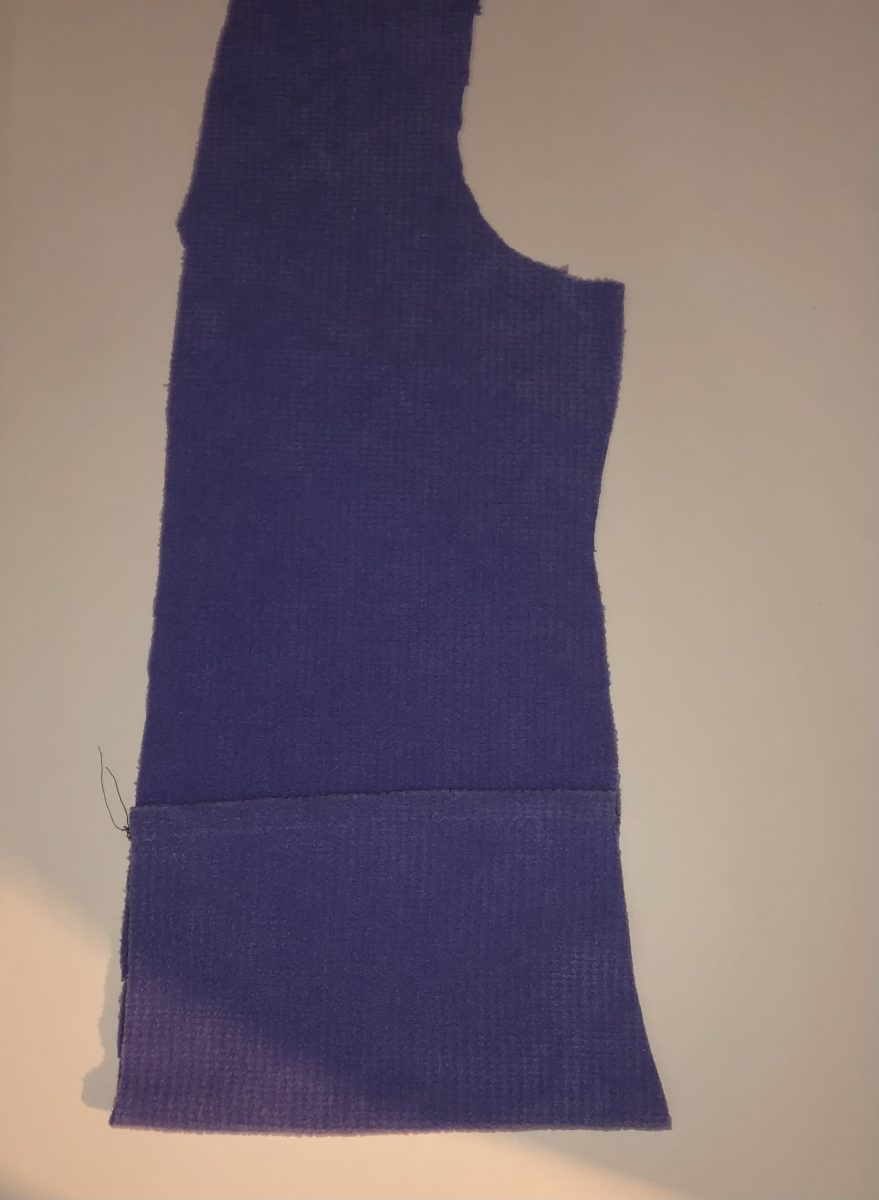
Optional pocket. Cut a strip as wide as the lower edge of this front piece and about 2 inches deeper than your desired pocket. I cut this from scraps.
Note my sharpie curve of the point of the shawl collar. I did not cut this here, but will stitch this later, and trim it off.
First things first, pockets. One simply needs a pocket in everything, and this Leslie Cardigan is no exception. I finished the top of my pocket strip, then placed my front right side down on my table, then the pocket also right side down on top of that and stitched across the bottom with a slight zig zag. 1 wide 3 long.

Under stitch. In my book, under stitching is like permanent ironing. With the seam towards the body of your front piece, stitch 1/4 inch from the seam line with the seam securing the main fabric and seam allowance. This will roll the seam to the back of your garment and make the next steps easier. It also reinforces the bottom seam of your pocket.
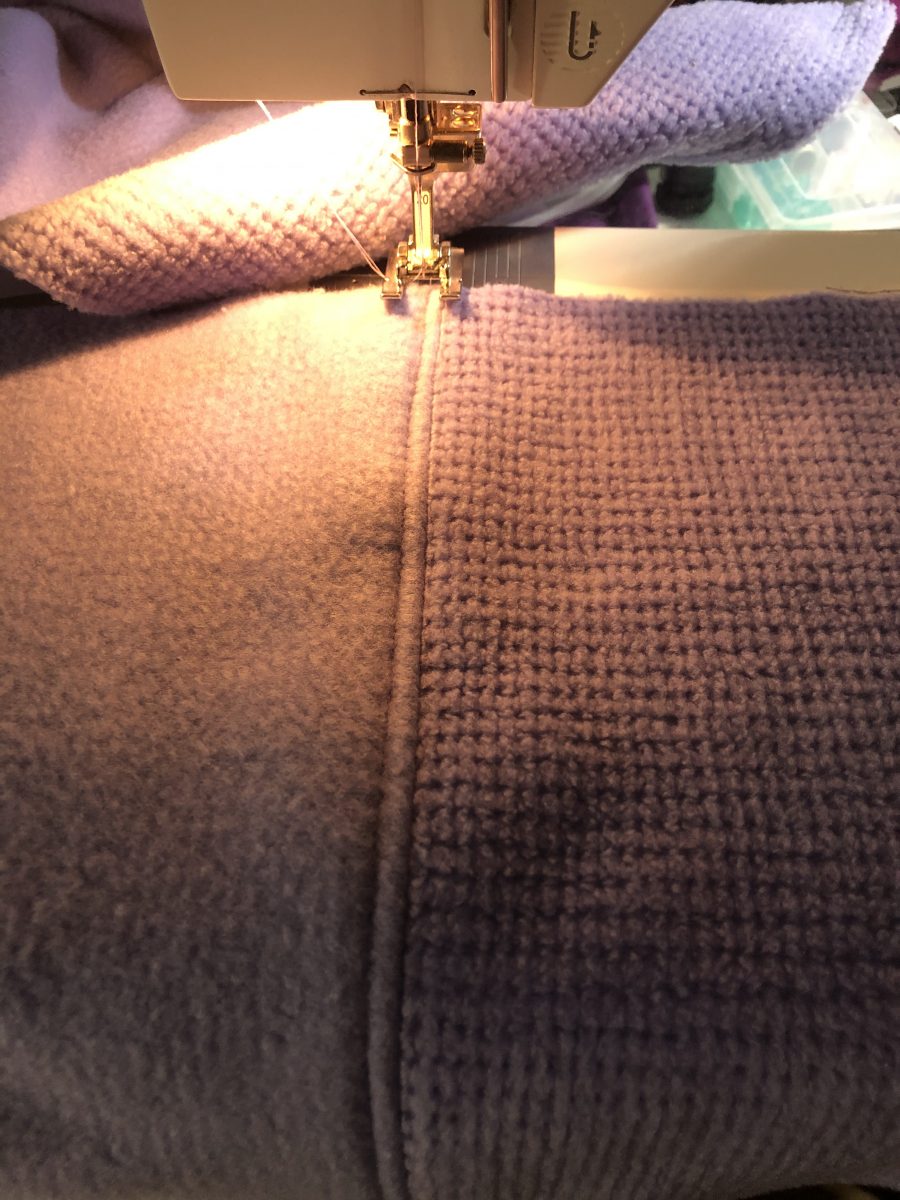
Flip and staystitch. Flip the pocket back round to the front, make sure the bottom seams are where you want them and stay stitch either side. Repeat for the other side of your front. *Note for the adventurous here. Ignore the adventurous tips for your first version please.
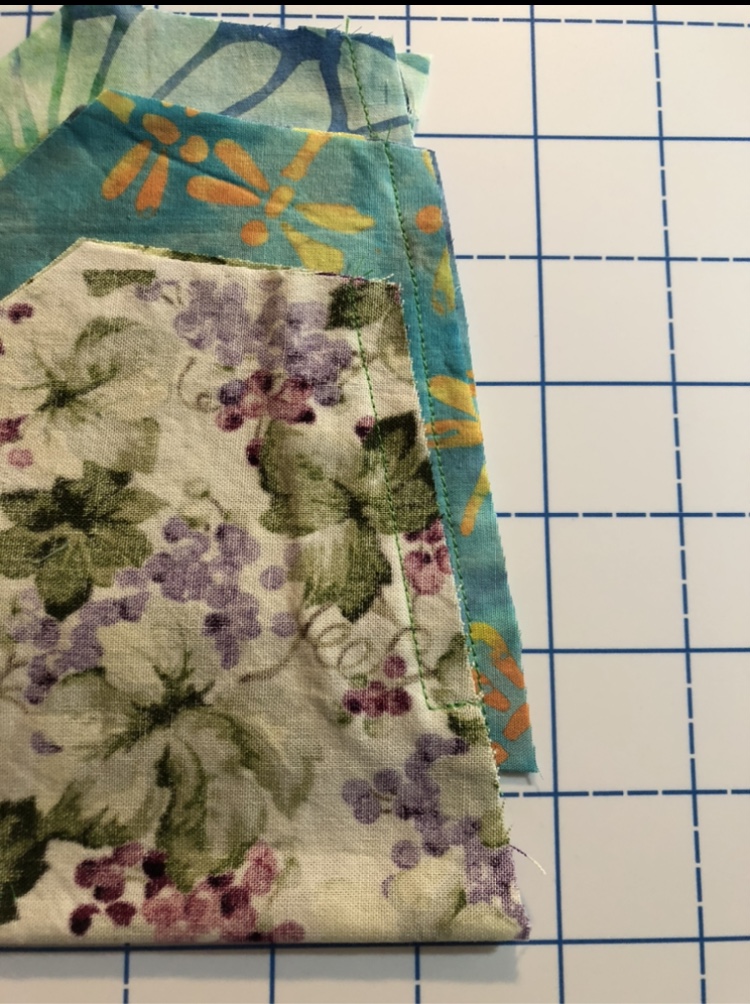
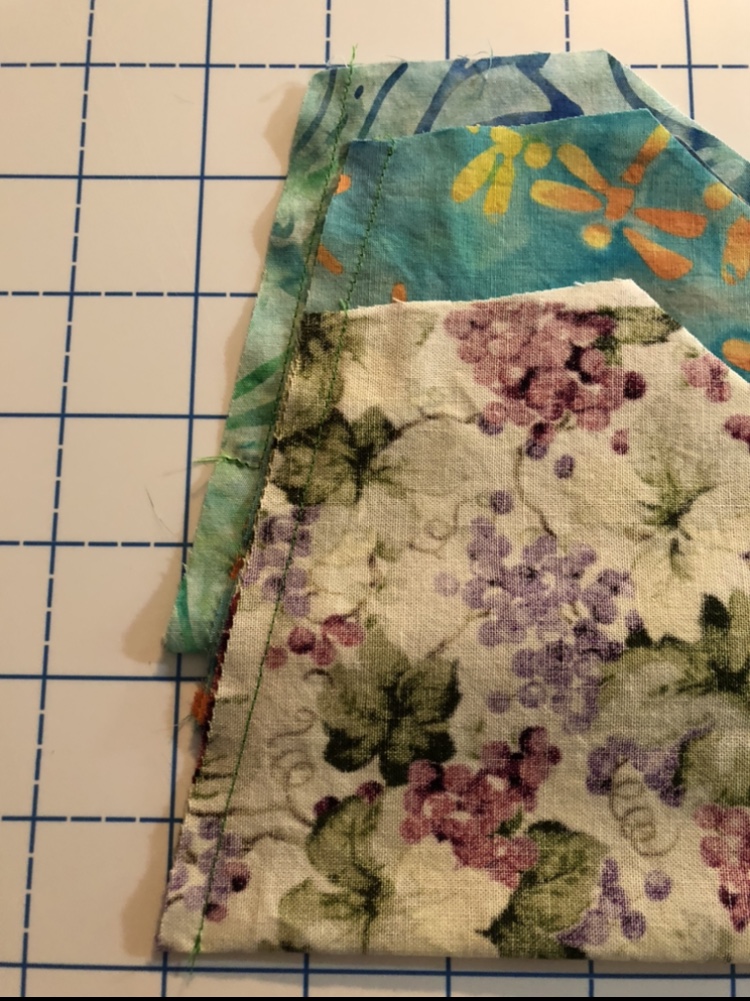
Shawl collar, Sew the center seams as directed, then place the two shawl collars right sides together. Stitch all the way round the outside edges only. In the photo below, your can see where I curved the point a tad. Do this for both sides and trim the seam allowance. Speaking of trimming the seam allowance. If you are sewing especially thick fleece, or do not want your collar to roll out, trim 1/4 inch off the outer edge of this curve from point to point on the collar that will be your under collar before sewing them together. **Adventurous sewist tip here.
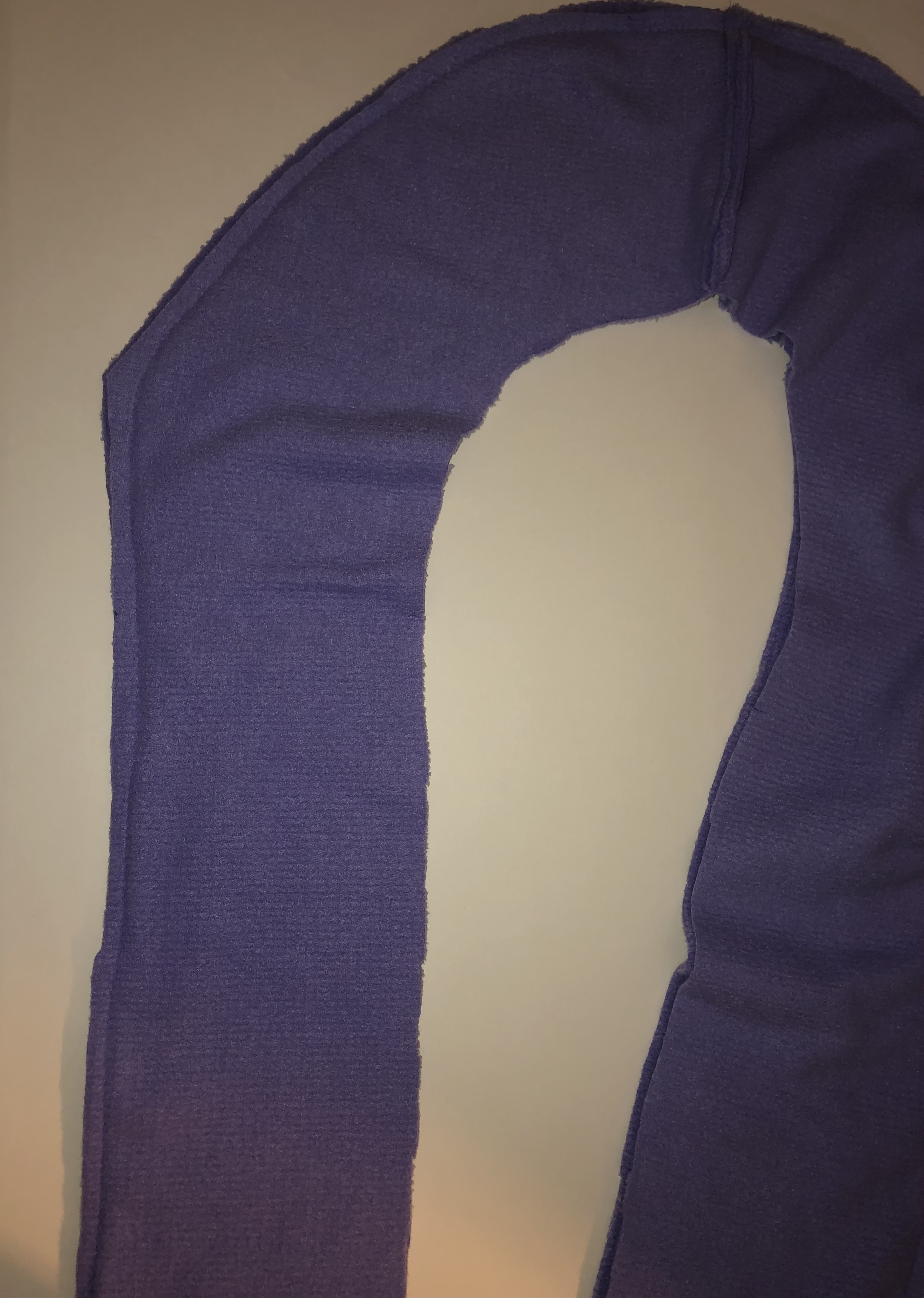
Sew the bottom hem of your shawl collar. Each side please.
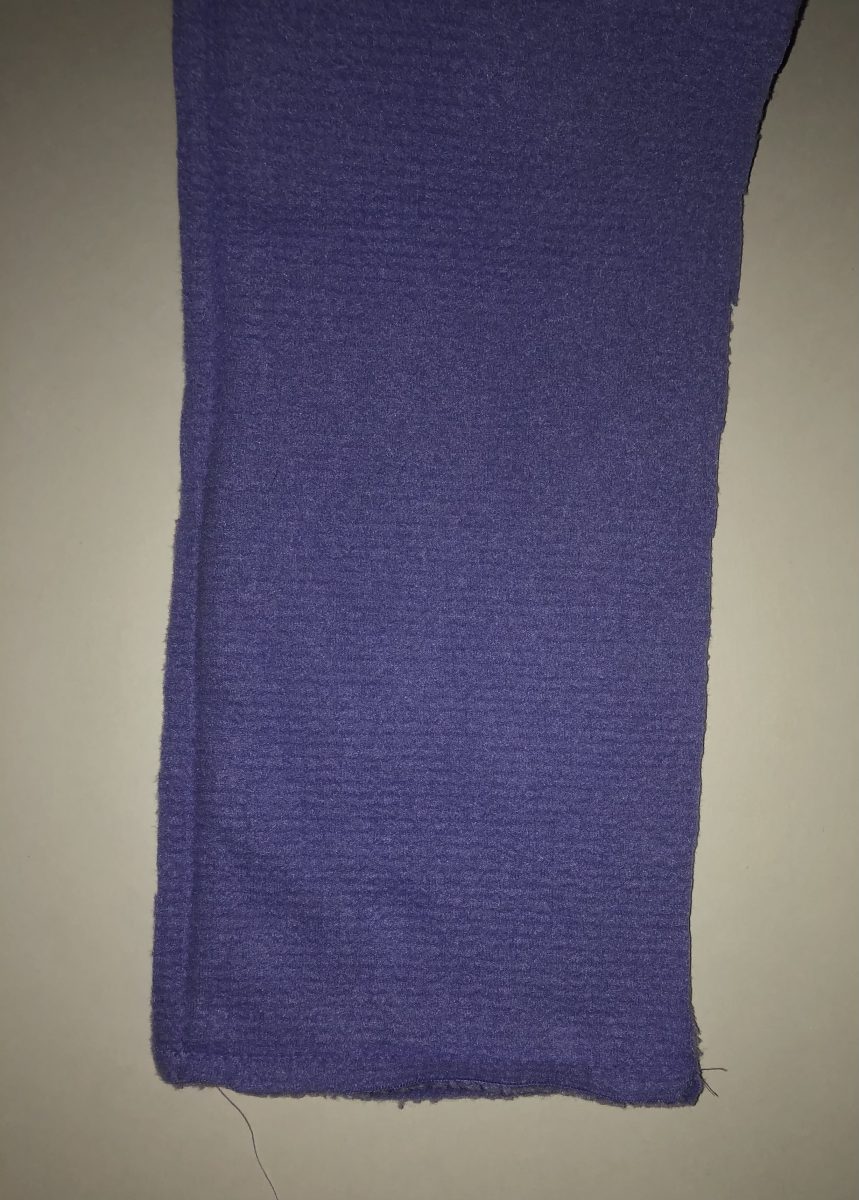
Turn your shawl right side out, and top stitch the outer edge and hem. I am a top stitching fan for the same reason I like under stitching. It is optional. What is not optional in my sewing teacher’s opinion is basting. Please take the few minutes to baste the inner curve of your shawl pieces together. It will save you more than a few minutes of ripping later.
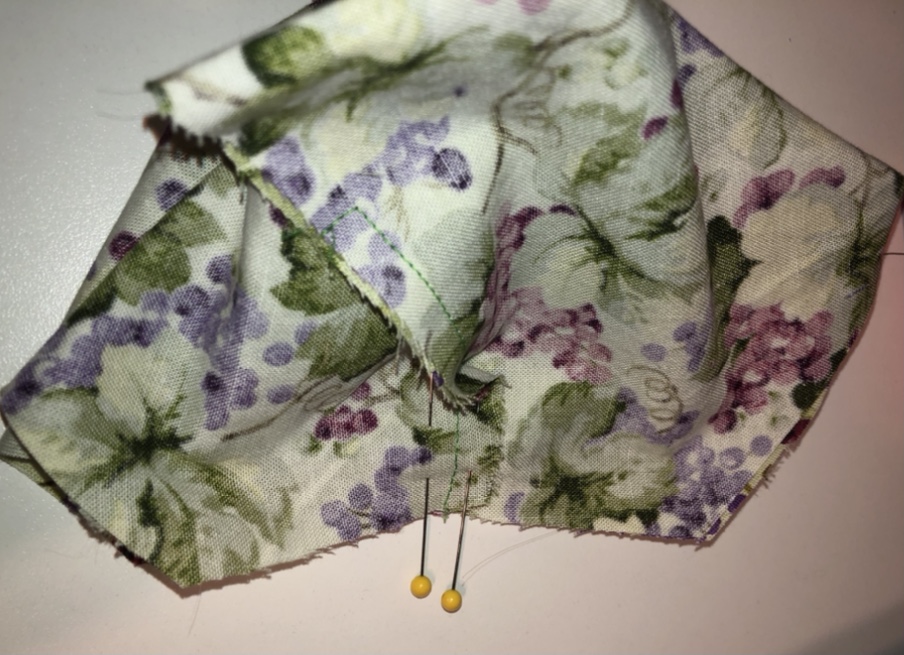
In the photo below, I added a pin to my “outer ” collar. It is just a smidgen bigger than the inner one and gives just a hint of puffiness.
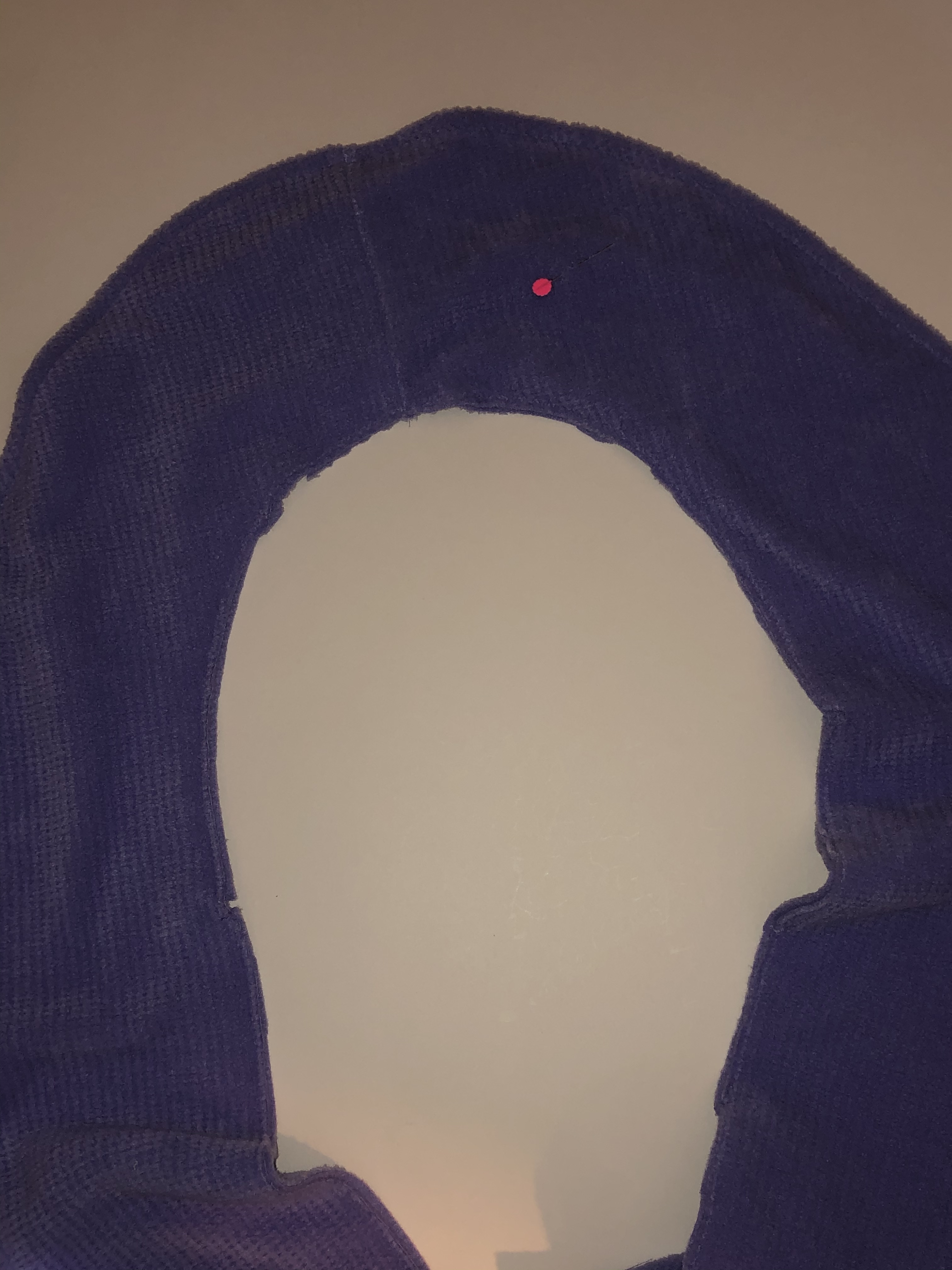
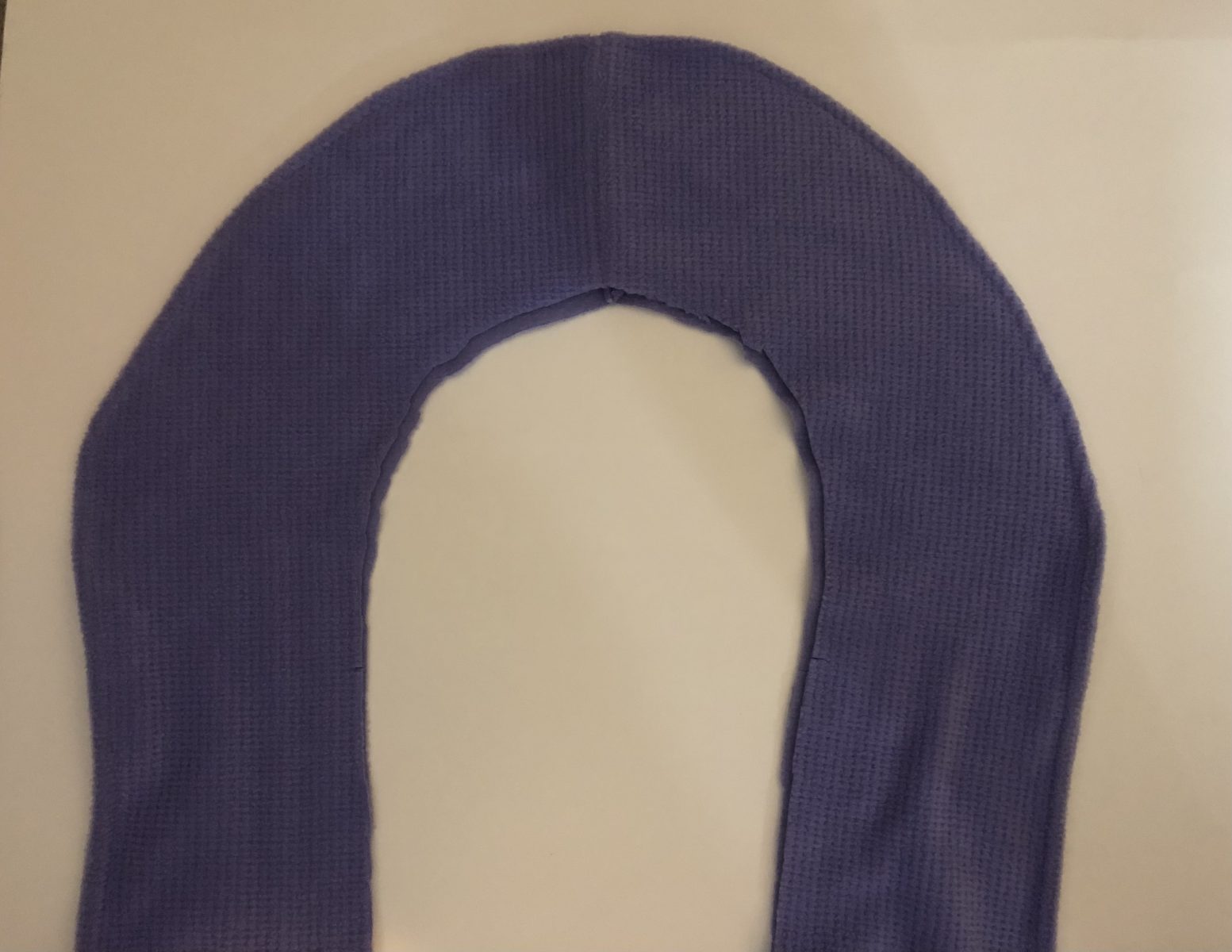
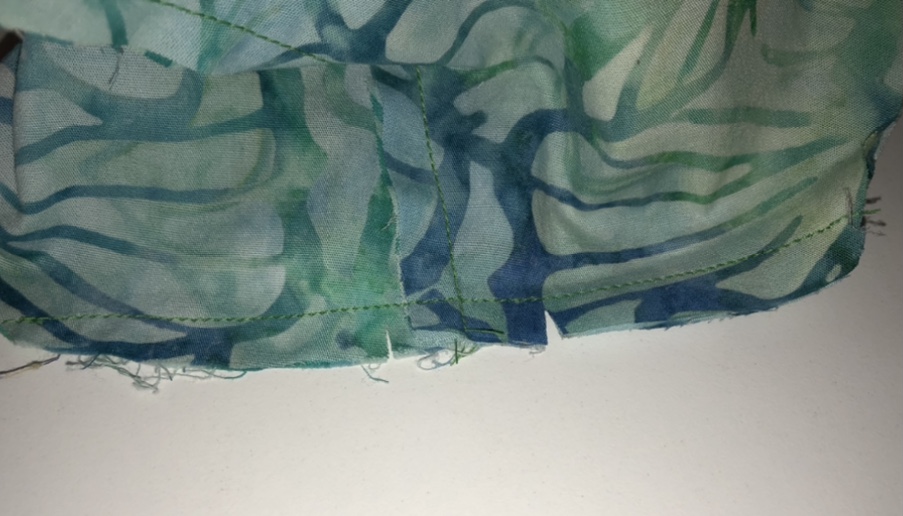
Inside collar view.
Pin the collar to the body. With the inner collar facing the right side of the body of the garment, pin along the edges, matching the front bottom edges, notches, center back, then add more pins in between as needed. Stitch all the way round. I used a 4 length with a slight .5-1 zig zag for stretch. After you decide you like it, you may clean finish the edge if desired. I used the overcast stitch on my sewing machine for two reasons. Matching thread, and it can handle the multiple layers of fleece more happily than my serger can. ***Adventurous tip here.
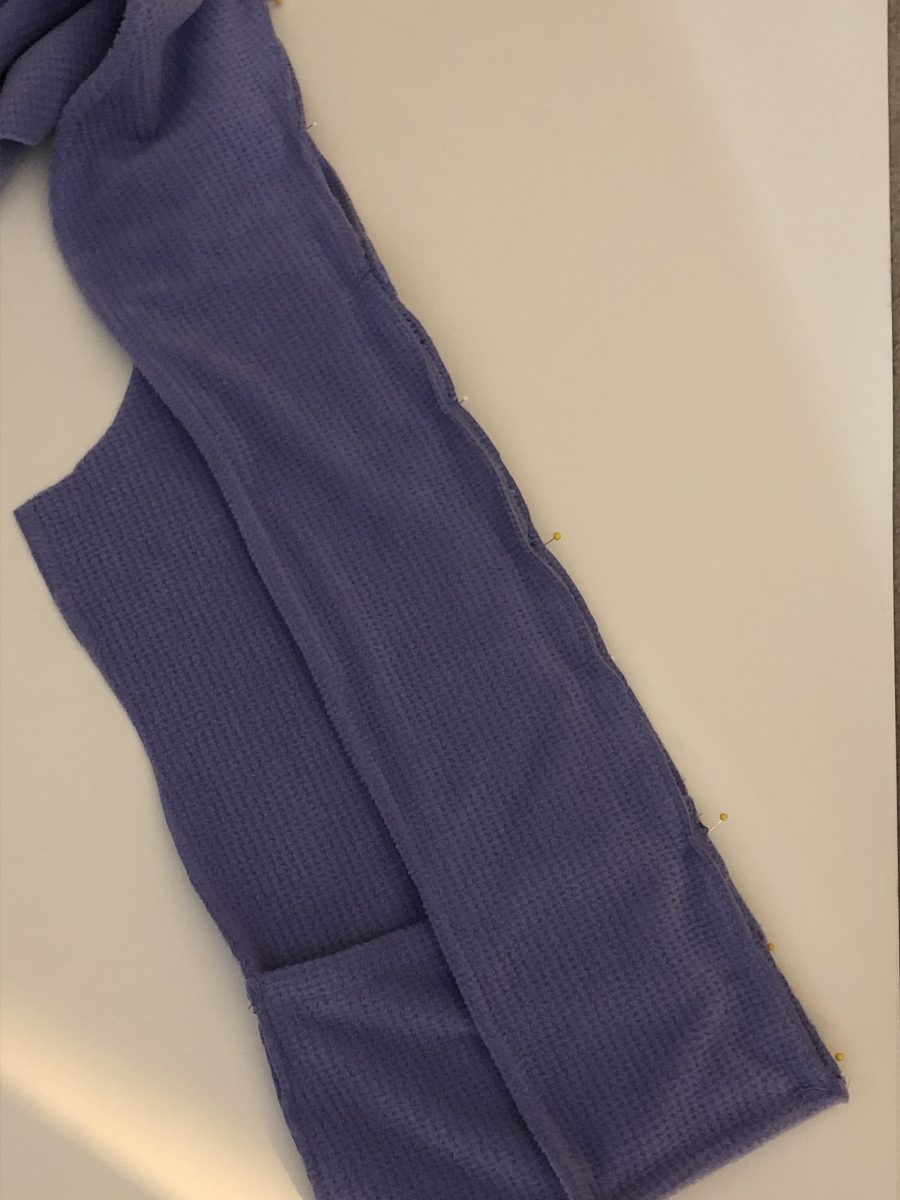
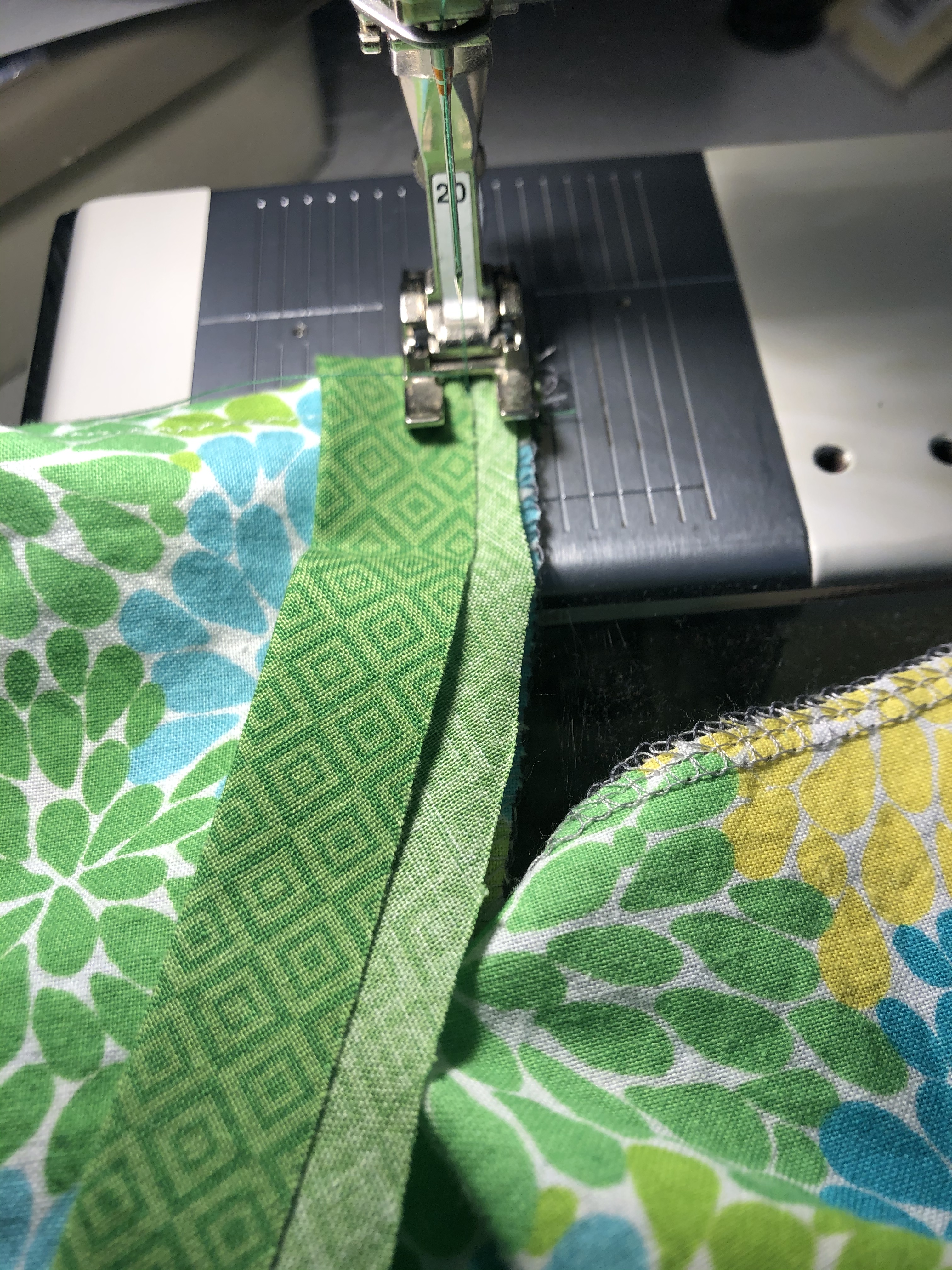
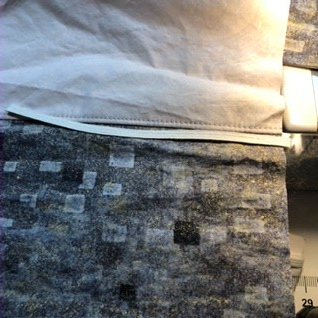
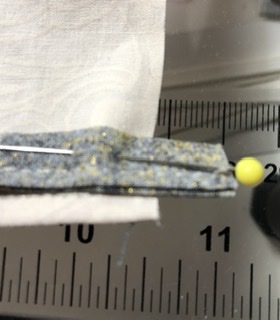
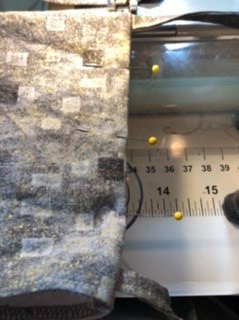
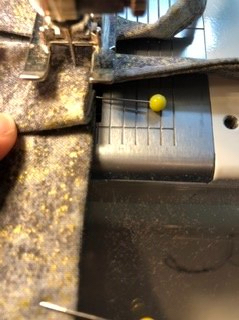
Top stitch this seam towards the body of the garment. Go slowly over the pocket area since it has many layers. Take care when you start and end, and use an awl or other tool to squish the seam allowances into the underneath part, so the stitches catch them and hold them securely out of sight.
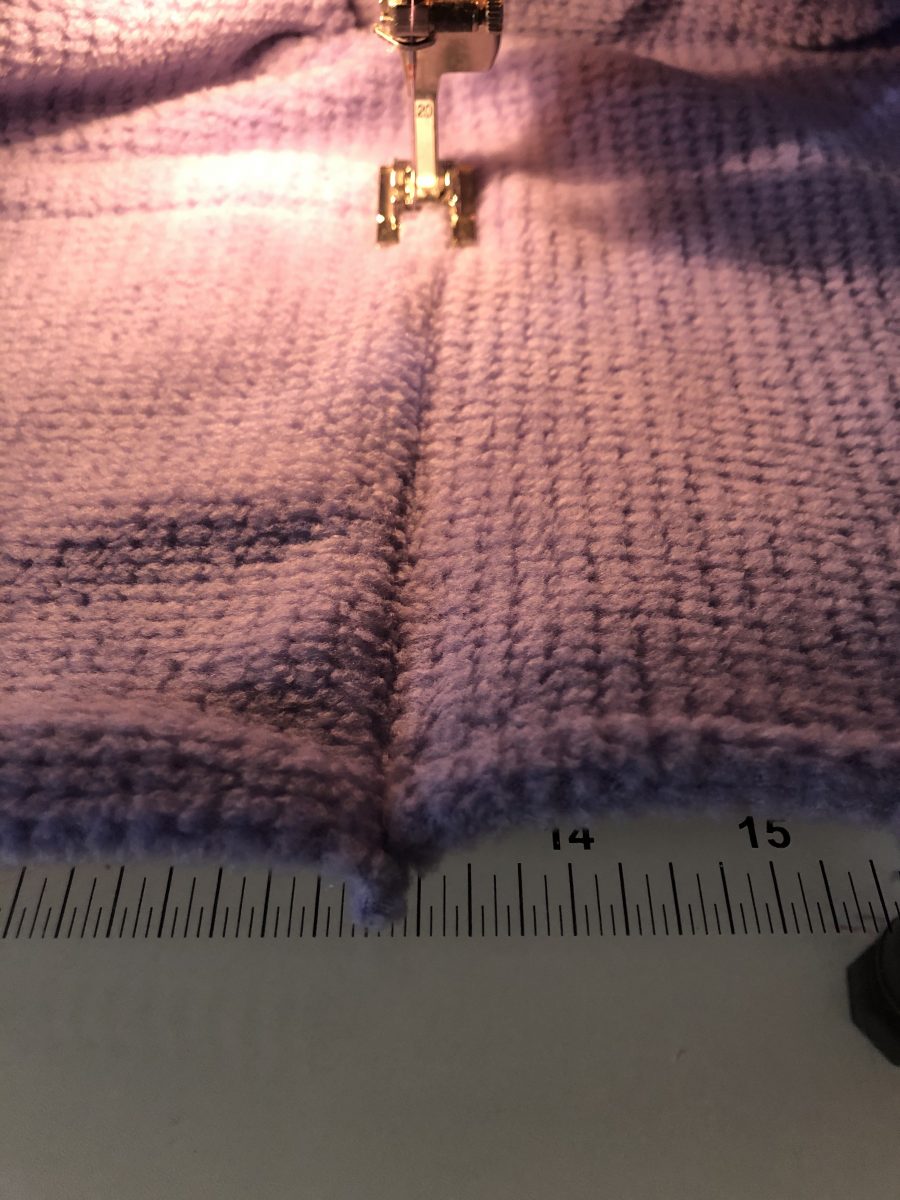
Clip your threads, so that they don’t show up on a super close up. Then go ahead and serge the hem edges of your back pieces and sleeves. If you flat sew your sleeves, now is the time, otherwise you will be sewing them later, in the round.
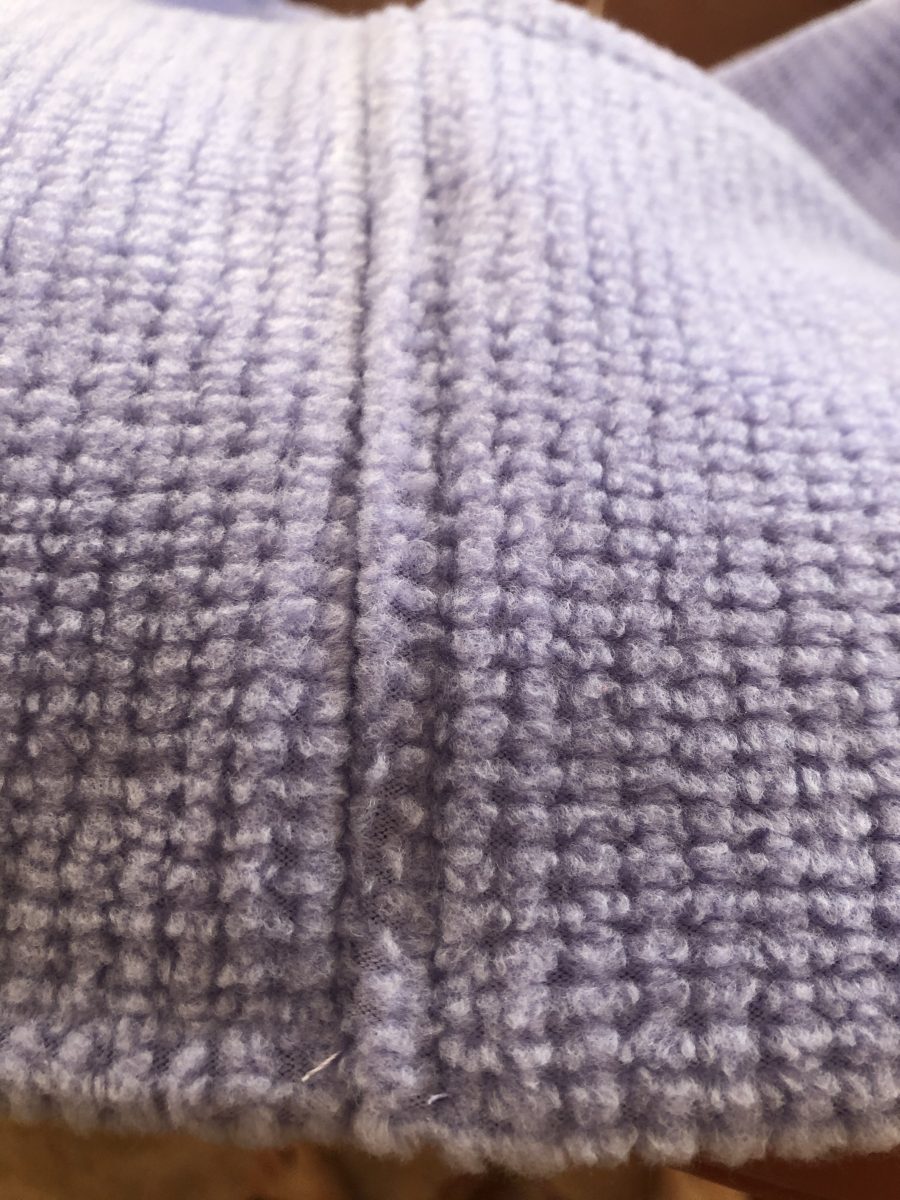
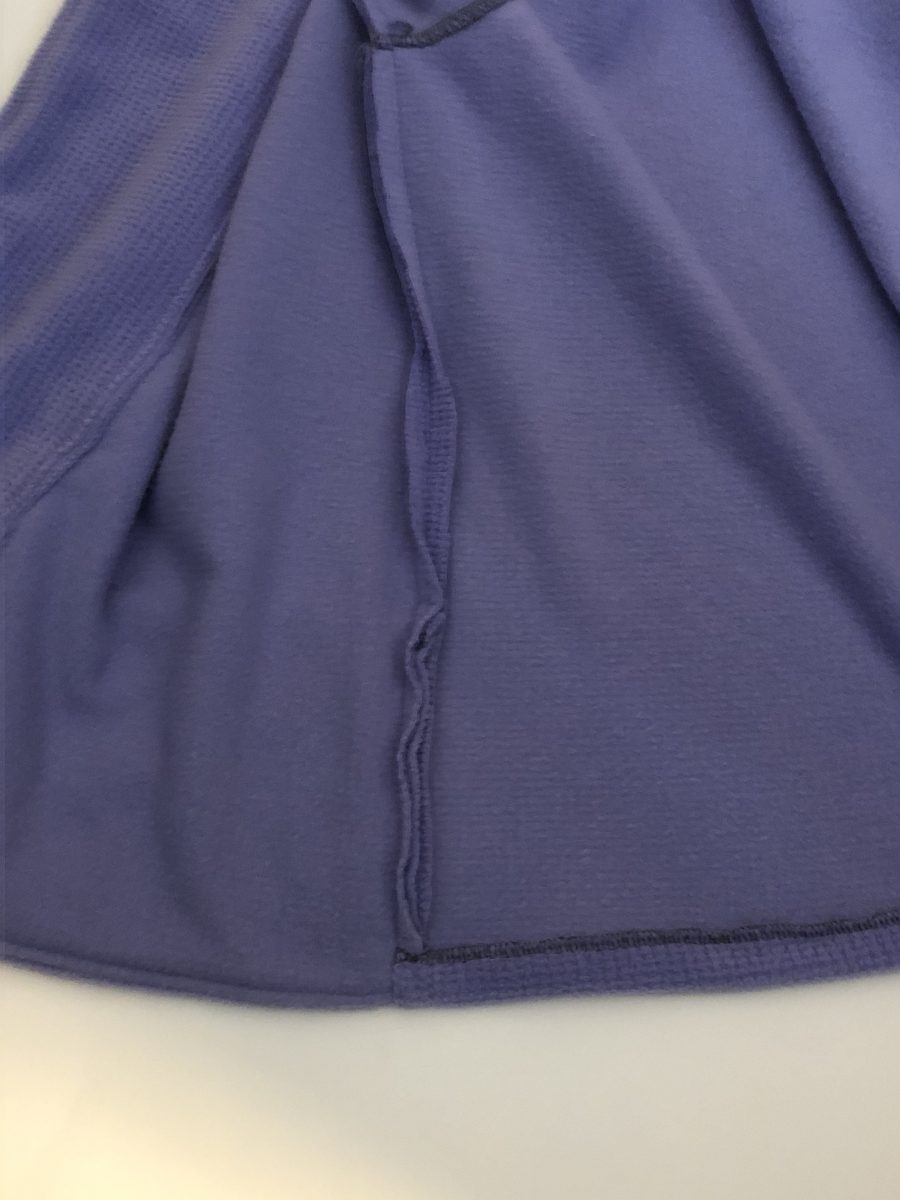
Pin and sew your side seams. If the universe is happy with you, your back piece will be about an inch longer than your front pieces. Use this to roll round the edge of your nicely finished front piece. Snug is key here. Make your side seam. Repeat for the other side.

Notice the tidy stitching. Now you can serge if you would like to.
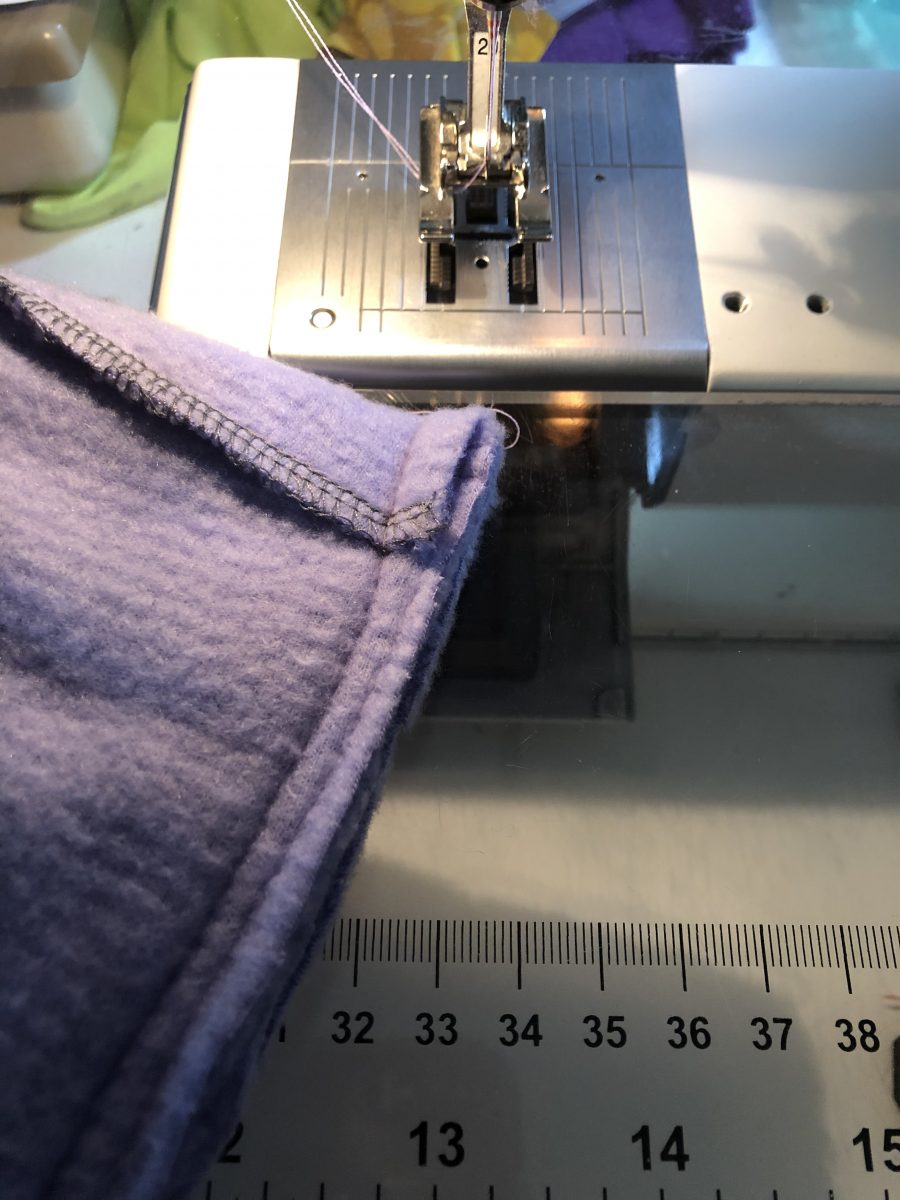
Flip the seam open, and surprise! Ready to hem the back side.
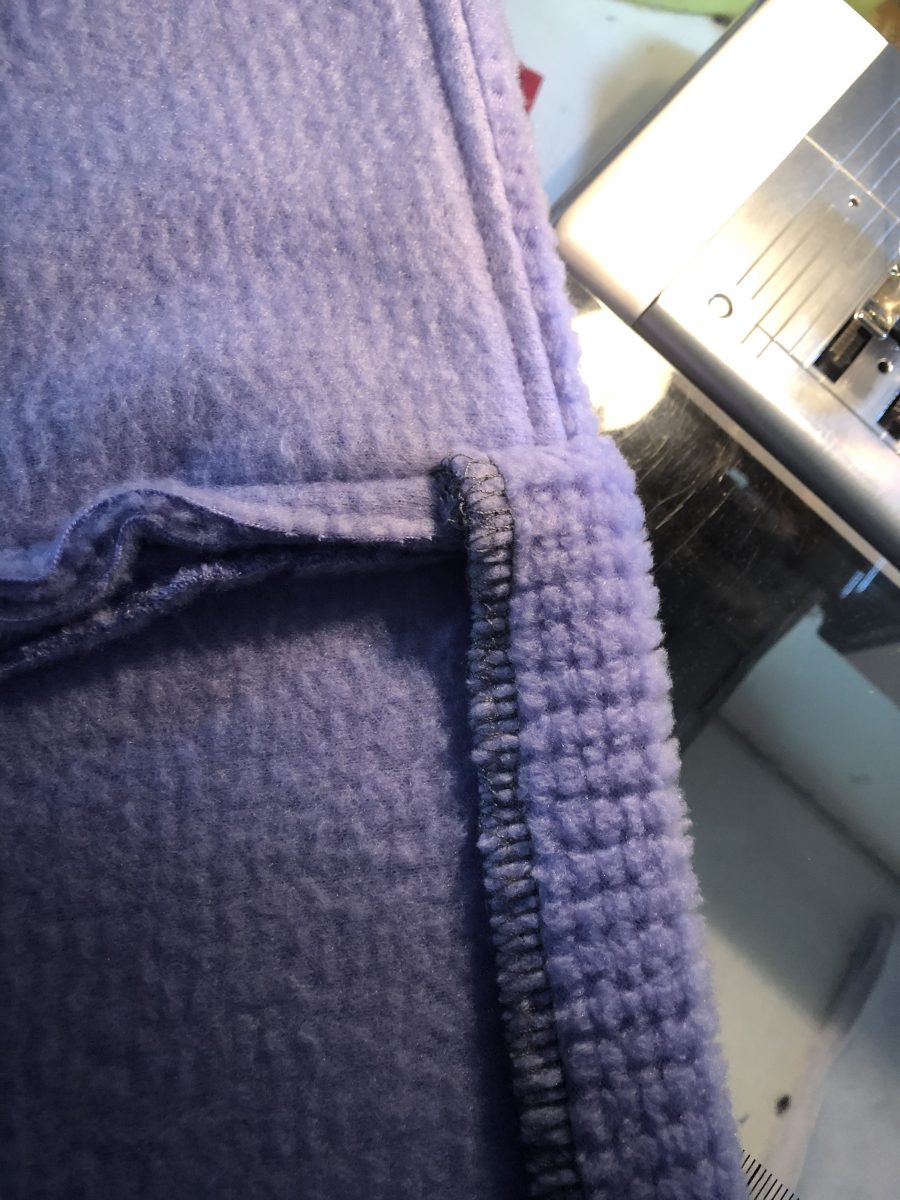
Hem the back. I used a wider zig zag 2 wide 4 long to account for the horizontal stretch. Add and hem your sleeves if you haven’t already, and you are done!
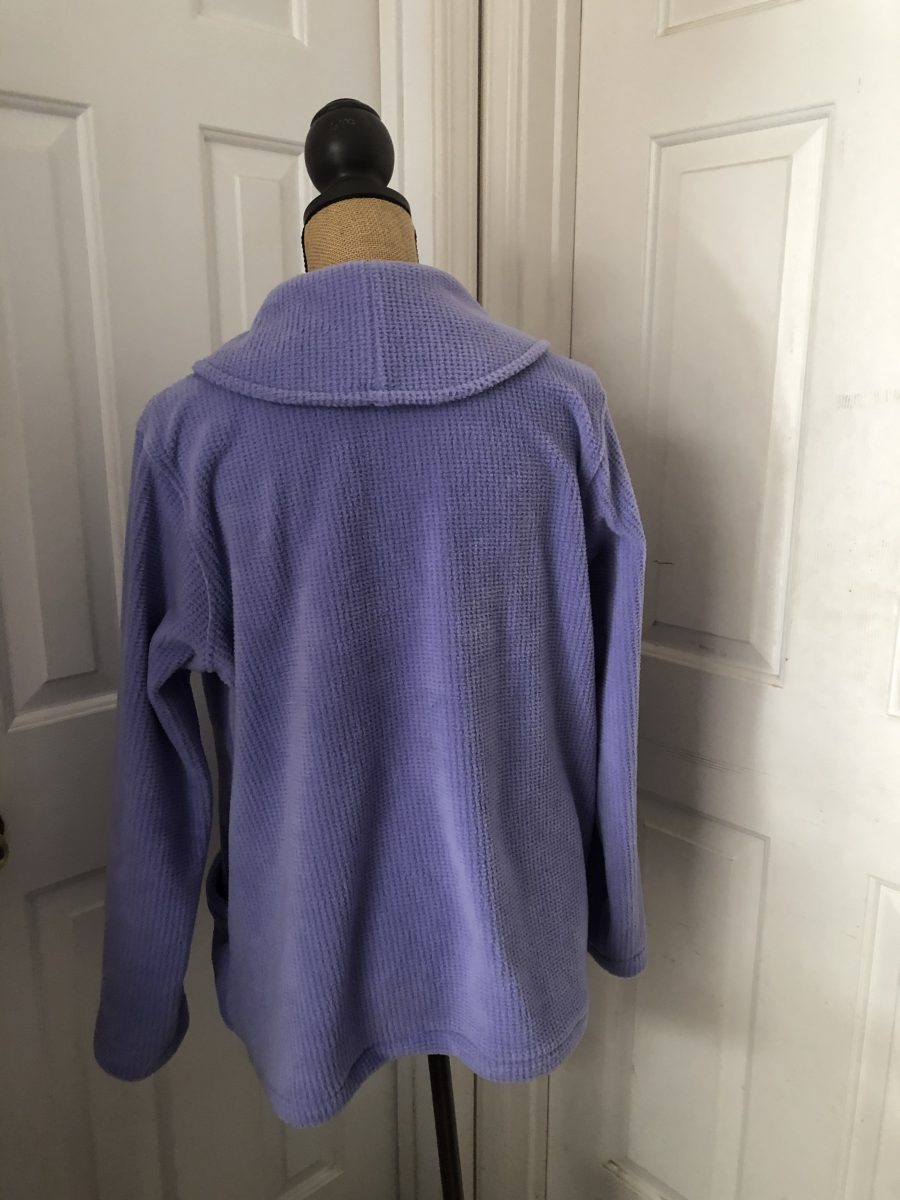
This would make a lovely long robe.

A note about shawl collars. This one could be cut on the fold. Just fold back the seam allowance and go for it. I did that for another version where I had a lot of fleece in that particular color. This one was cut side by side, so I have enough fabric to make a pair of Susie pants to coordinate.
This post contains affiliate links, wherein I may receive a small commission from the pattern designer if you use my link to purchase their pattern. It is no additional cost to you and I really appreciate the support.
Happy sewing! Joan
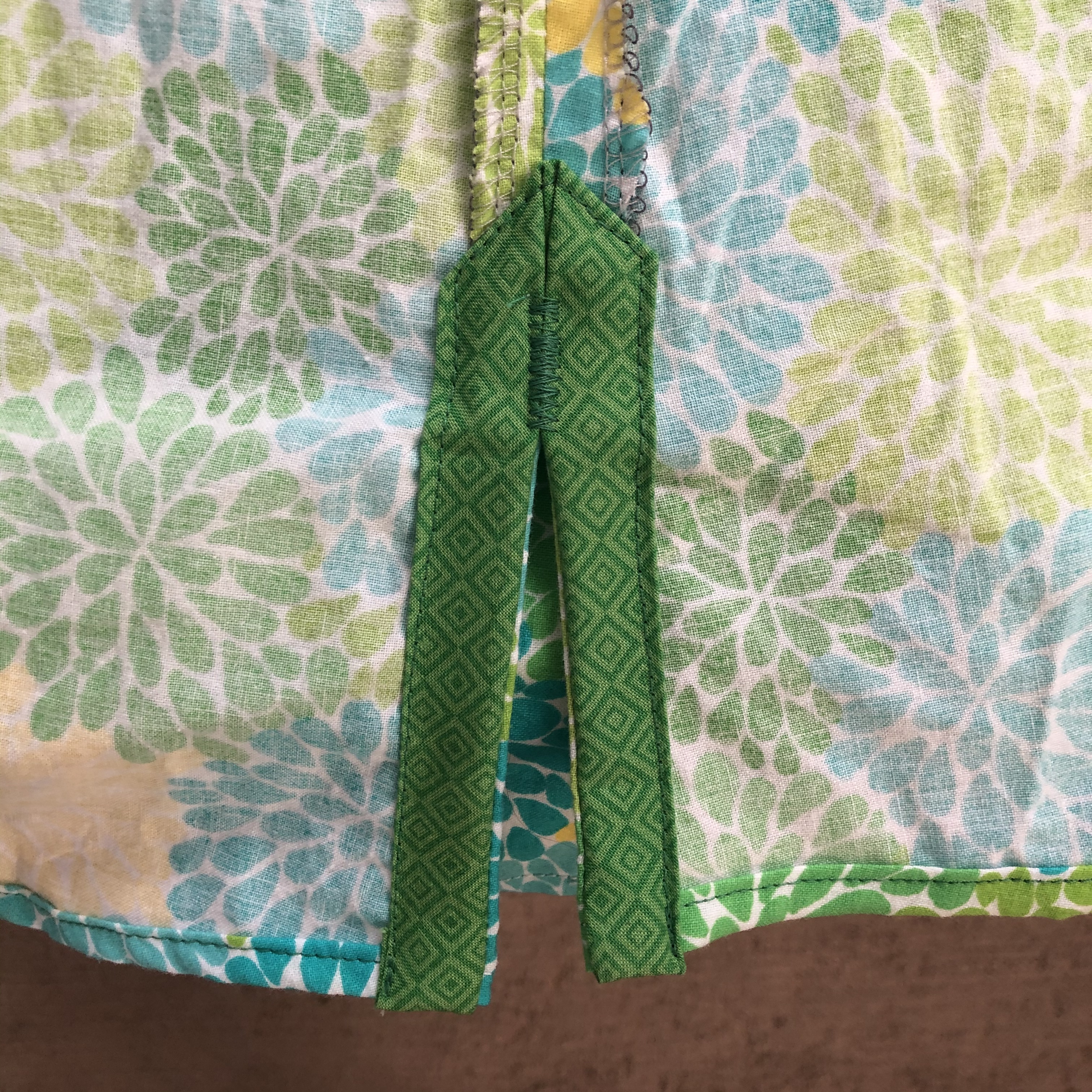
For adventurous sewists only. You will need a separating zipper that is the length of the spot where the seam allowance at the tip of the shawl collar starts, down to your hem. It can be shorter if you want to leave a few inches at the bottom of yours without a zip. It is up to you to choose on this adventure. This will vary per size, and per length option chosen.
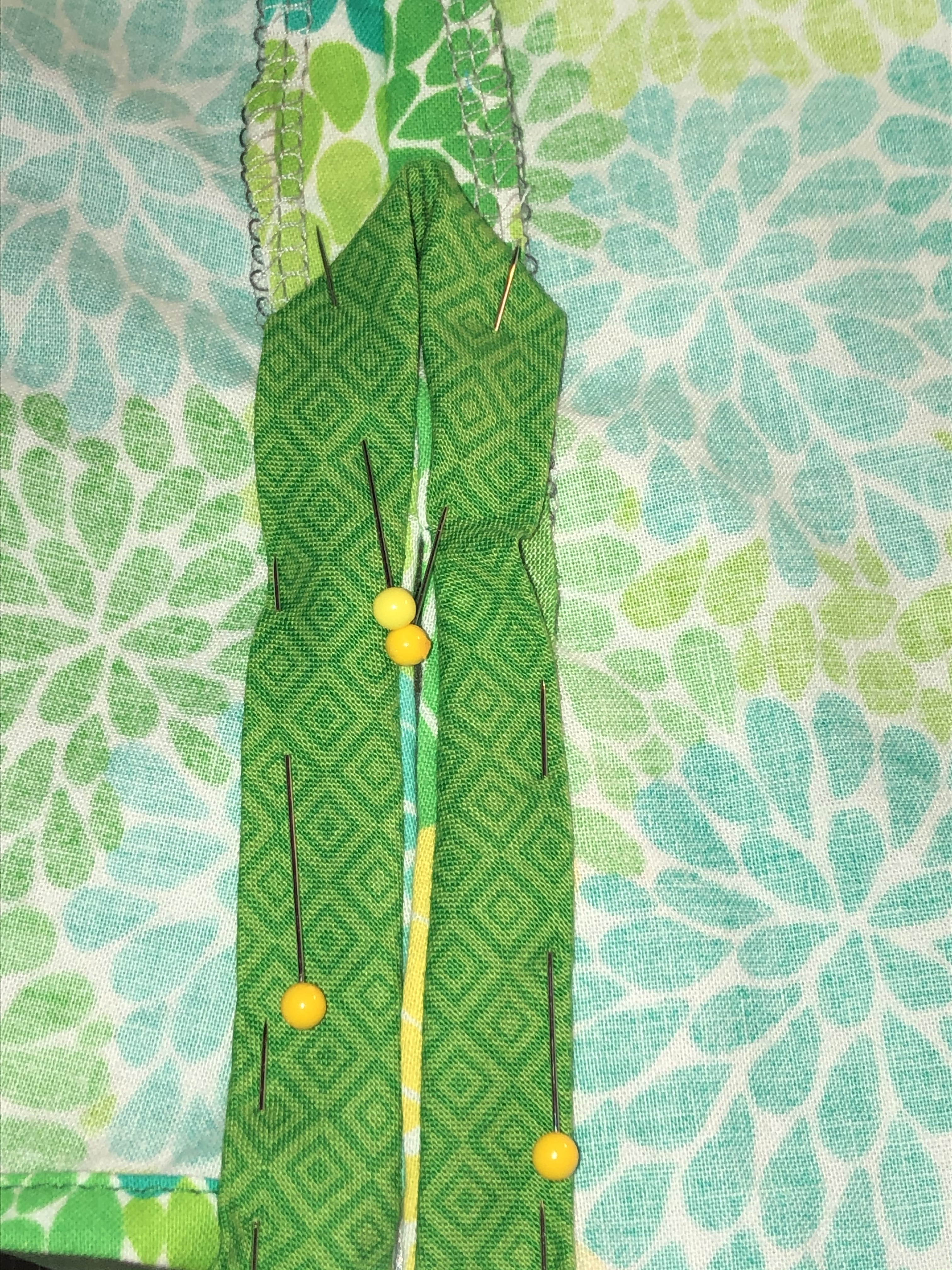
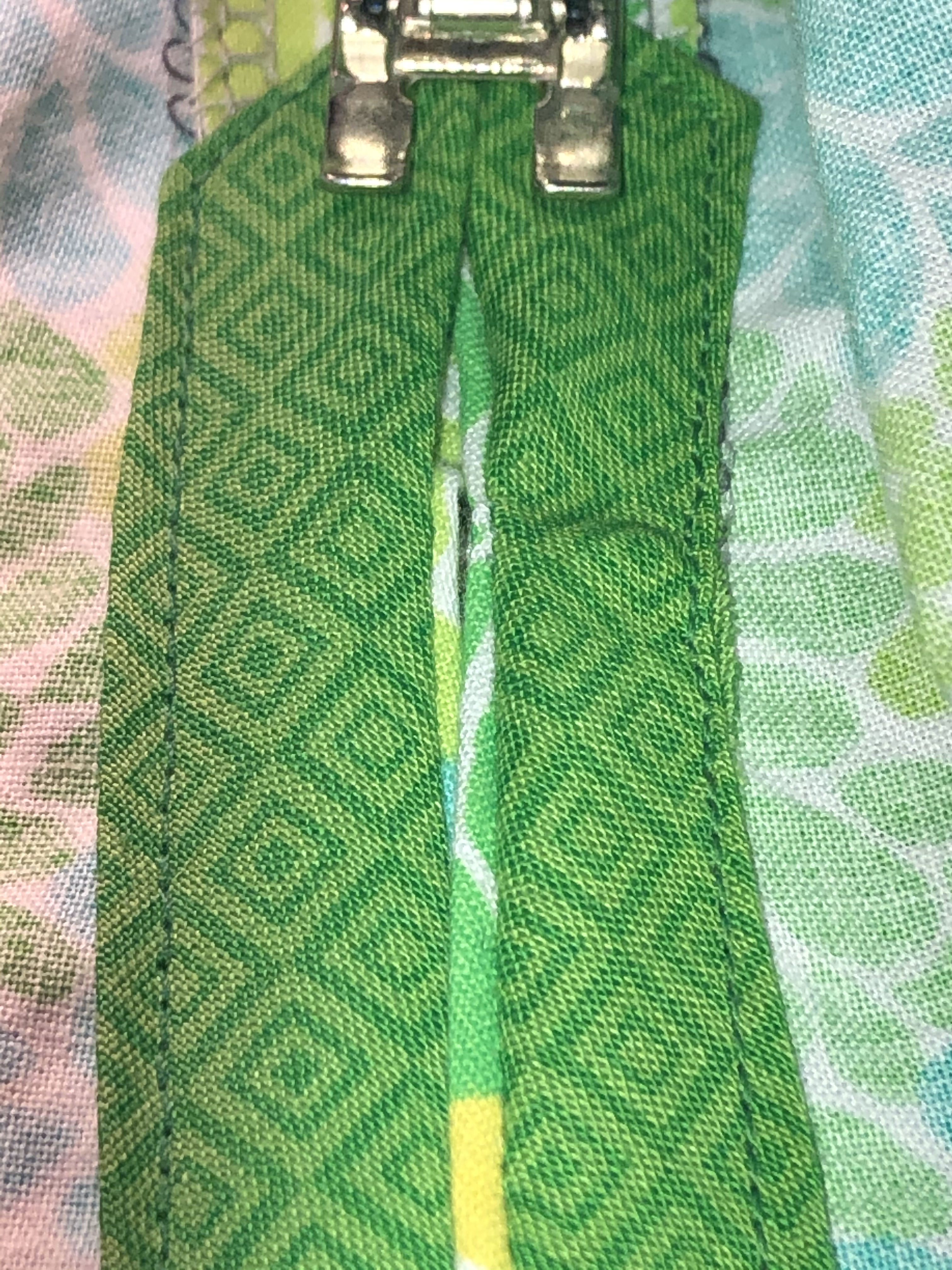
- For a zip on the left side of your front, install one side of your zipper here from your hem line to about 5 inches above the notch we made in the second photo. *
- It will later be enclosed in the seam where the shawl collar is attached here. ***
- The other side of the zip will be installed here. ** You are responsible for determining which side of the shawl collar it goes on and which side faces up. On the version I made, this is where the zipper pull side of the zip was sewn. Perhaps a reversible separating zip might make the whole process easier, as it would be hard to get the zip in “backwards”.
- The version I made for me with the full zip did not have pockets, although I installed invisible zips on the side seams where a pocket might go. I hope to install pocket bags at some time in the future. I wore it over a sweater that did have pockets, and was able to get to them , so it may be a while.
- Happy Adventurous sewing! Joan


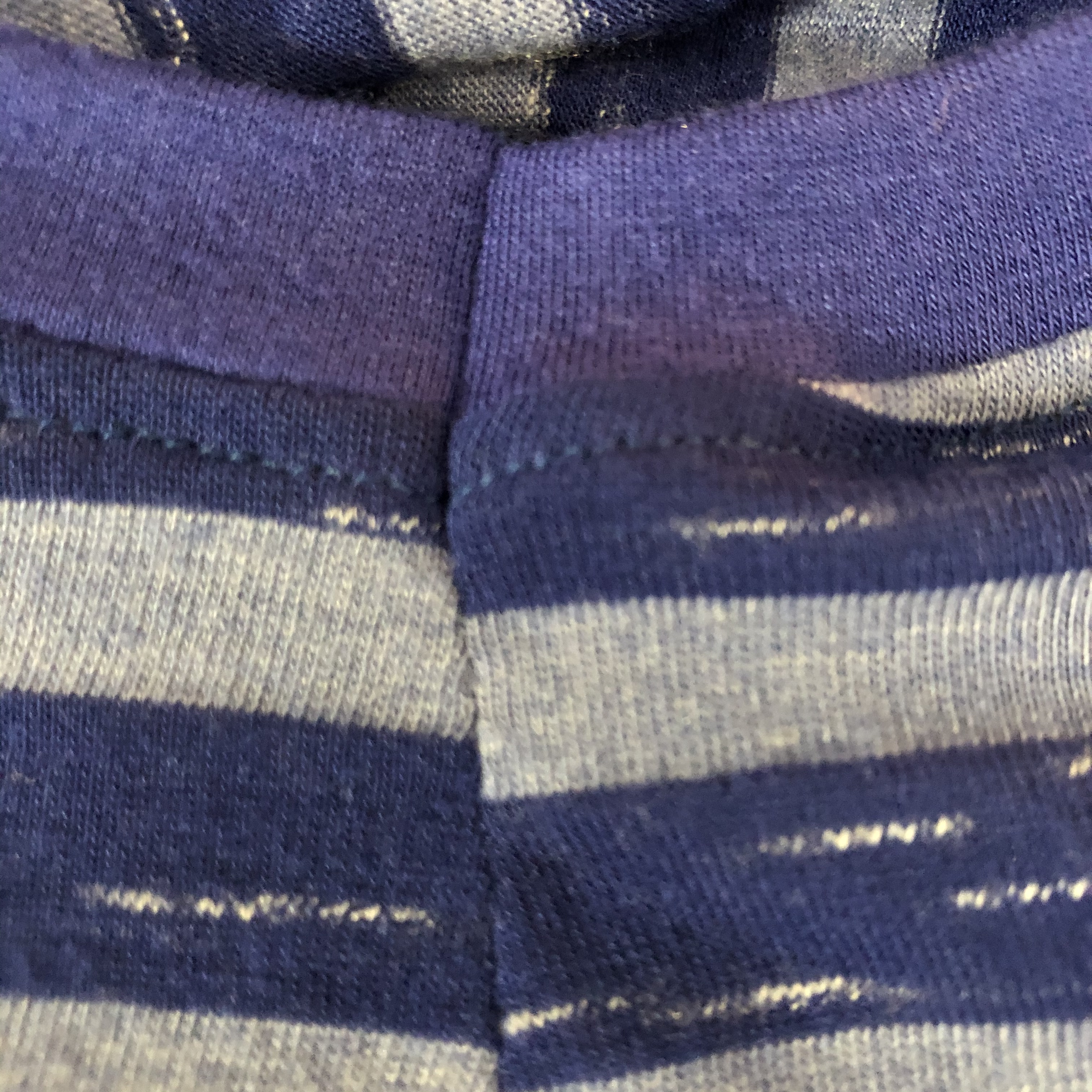 I love saving time with sewing, and flat methods of construction are great when you need to stitch something up quickly. Or are making tiny bands for a baby.
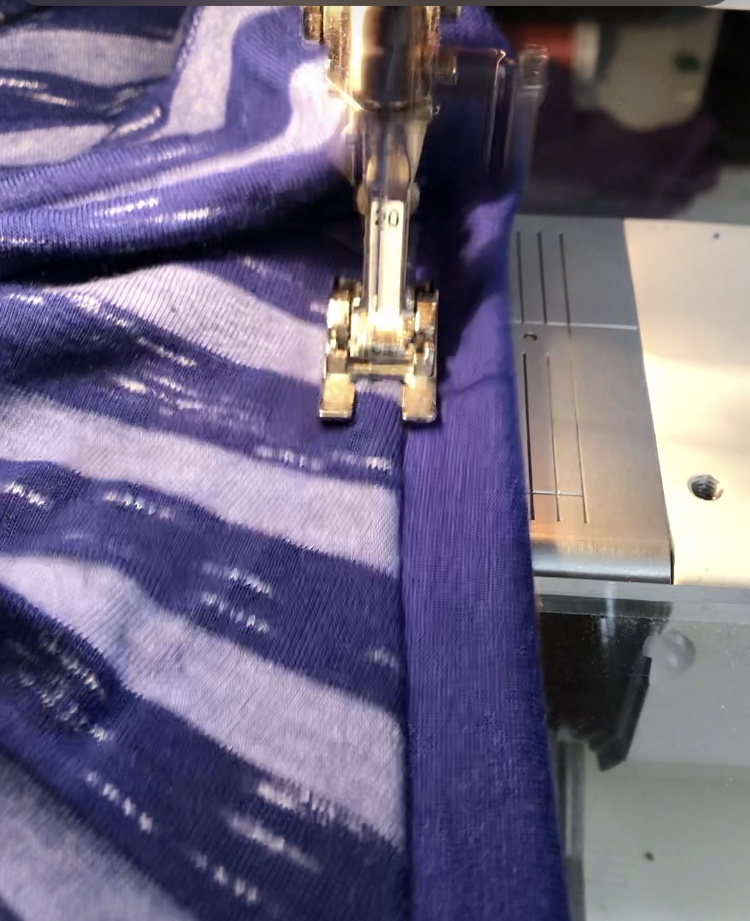 Then align the side seams and pin where the seam between the band and shirt meet.
 Notice that on the edges the top of the bands do not meet. They do match up at the point where the 1/2 inch seam allowance will be. That is key.

 Back stitch to the top edge of the band. You can remove the pin now, since the stitches will hold things together. Then sew forward to complete the seam using your favorite stretch stitch. If you plan to serge the seams, then you may make this machine seam just a few inches long. Then serge as desired, making sure the serged seam meets where the machine sewn seam is, so it appears “seamless” from the outside.
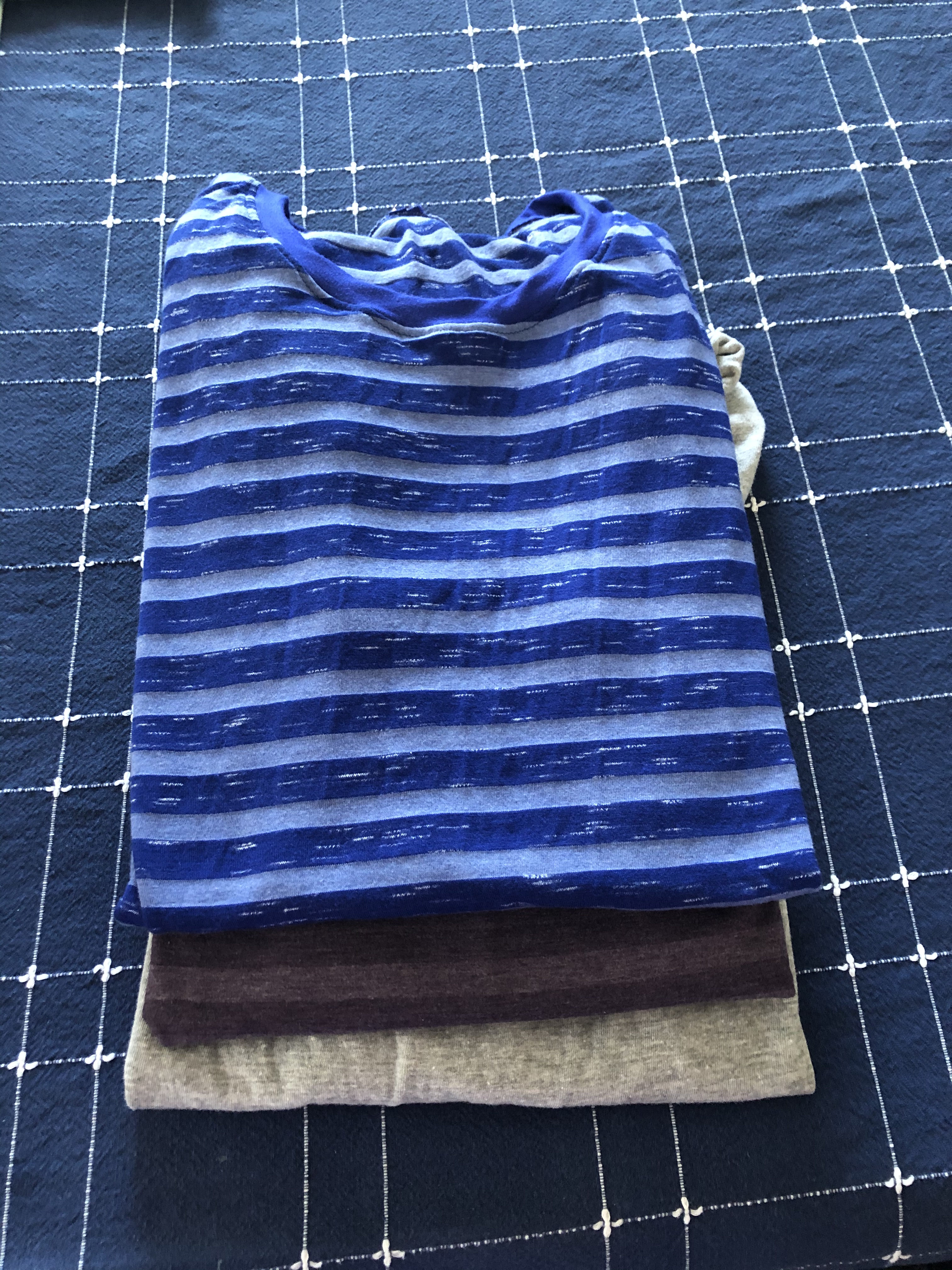 I have used this technique for a multitude of tank patterns. Affiliate links for some of my favorites are below.
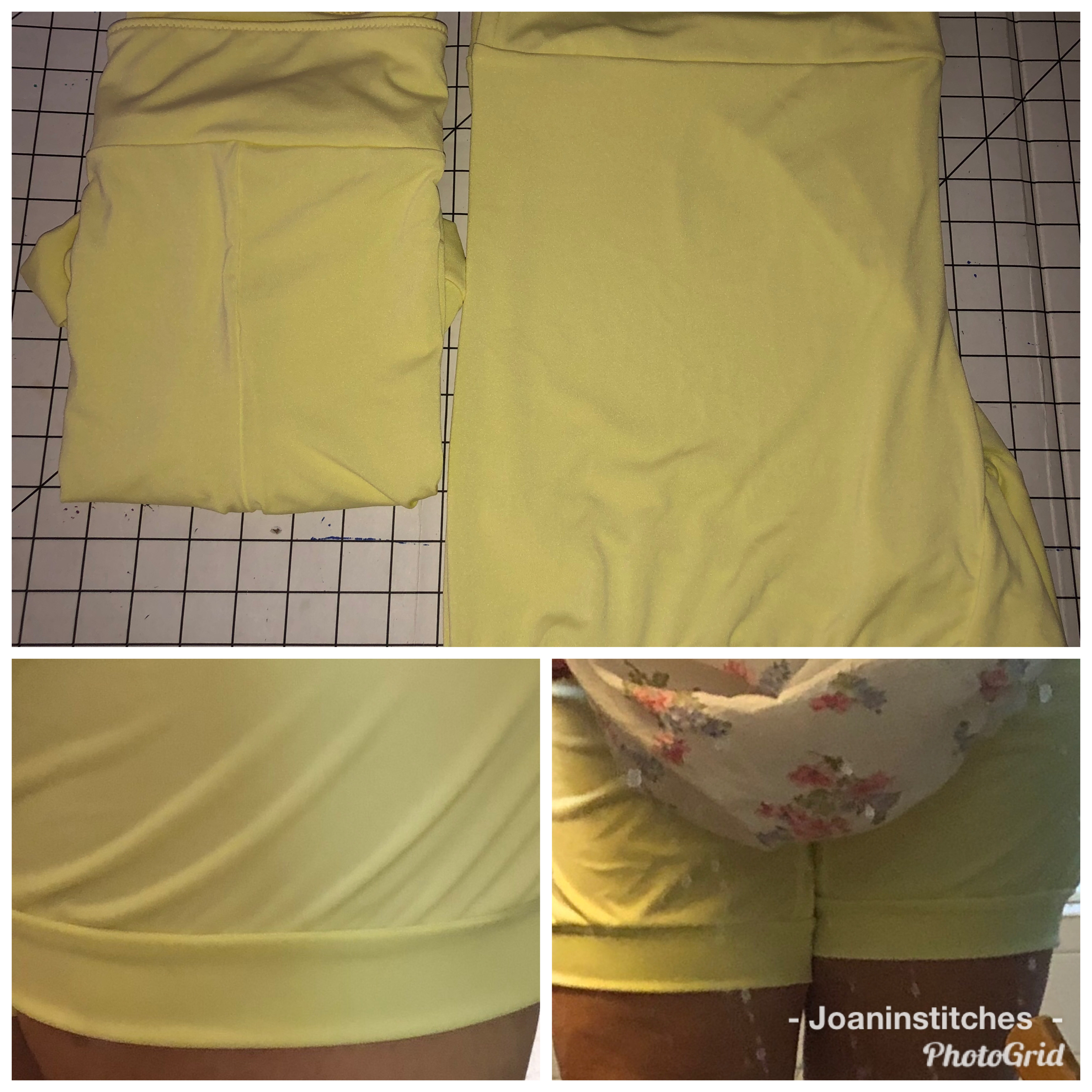 Noticed a Sew Along with one of my favorite sewing groups for a swim bottom called
 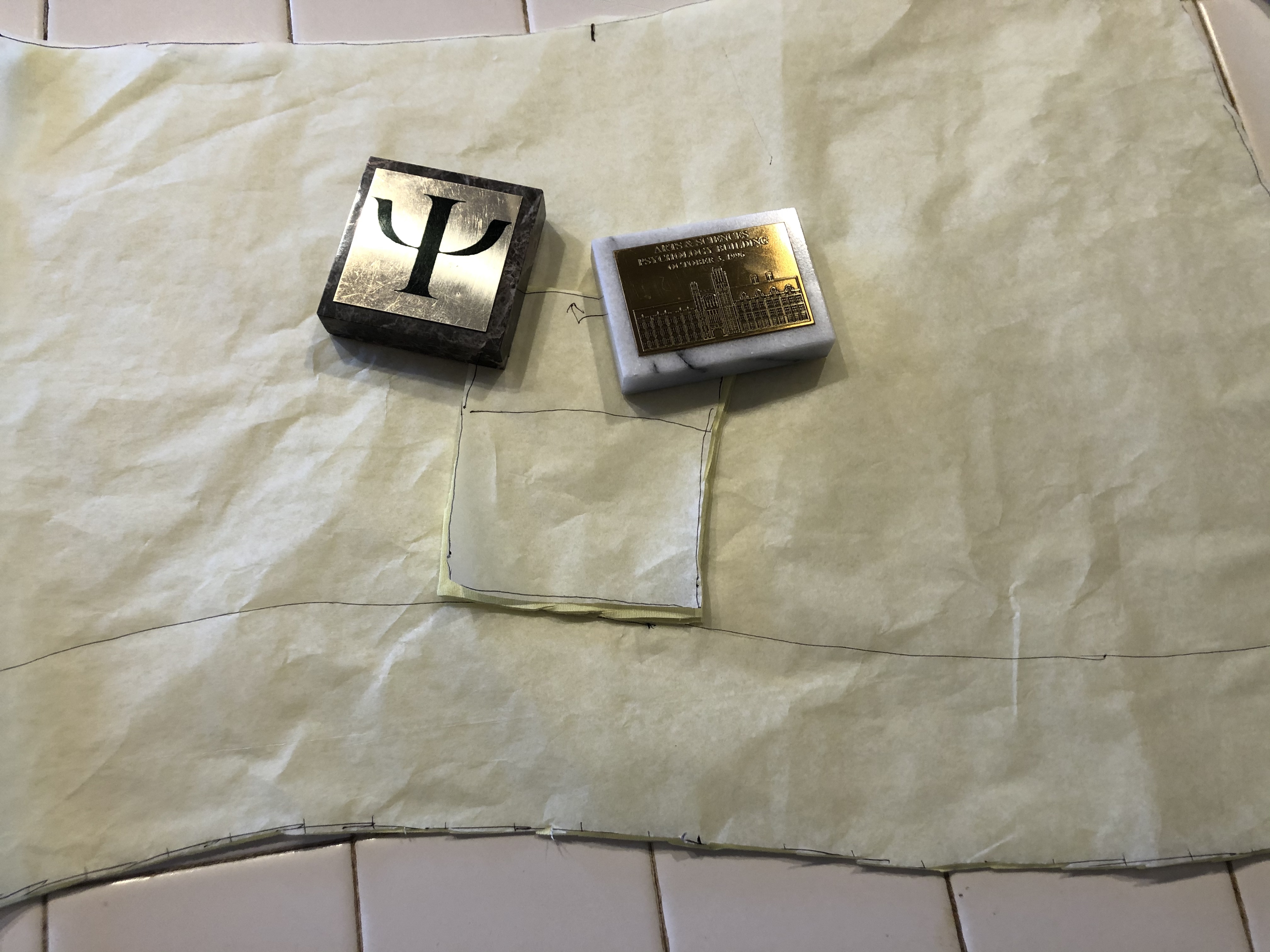 The order of construction needed to be a little different. Front, back seams serged, then burrito the bridge. I cut a notch in the center front of the bridge, to be sure I got it on correctly.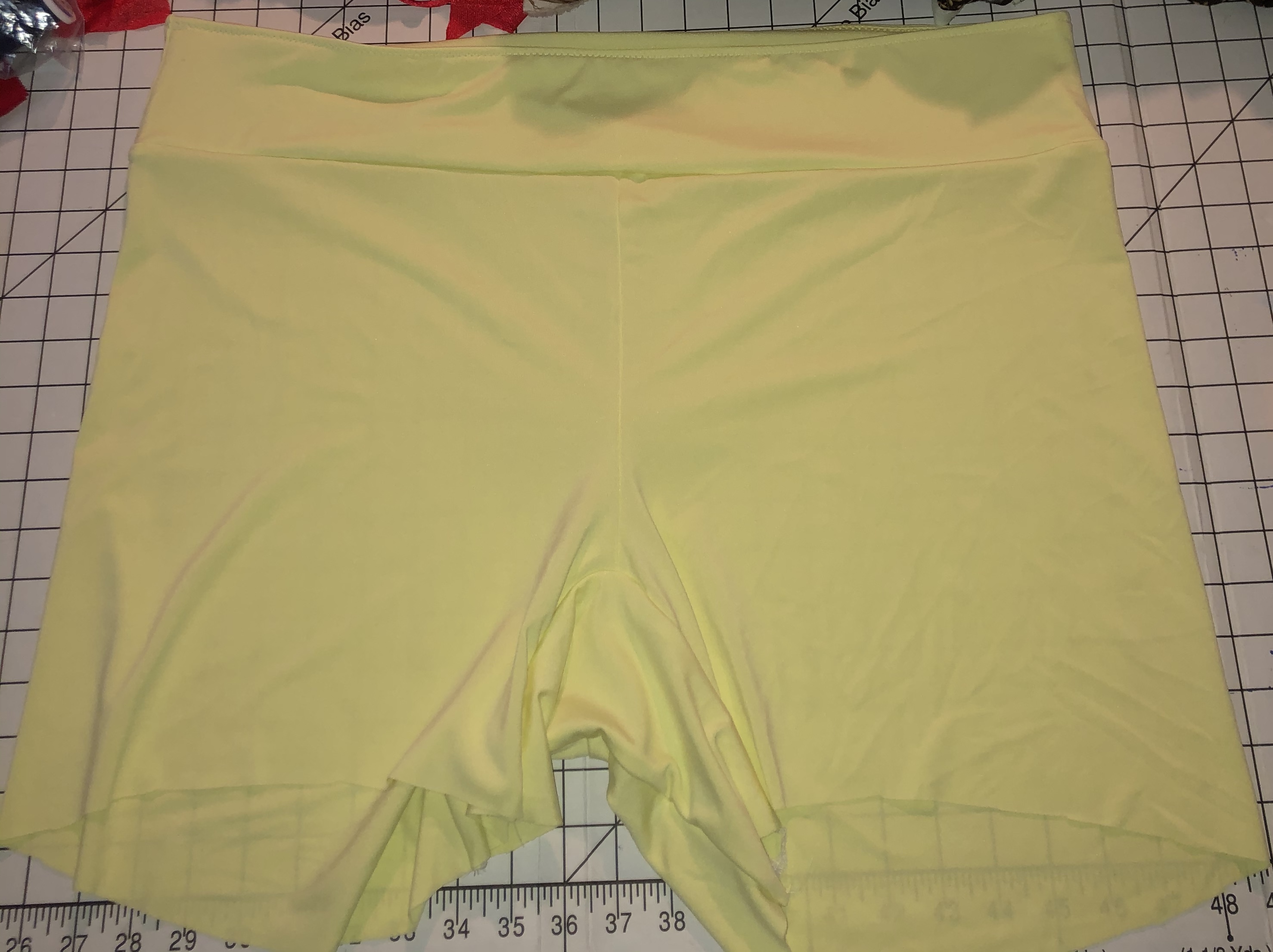
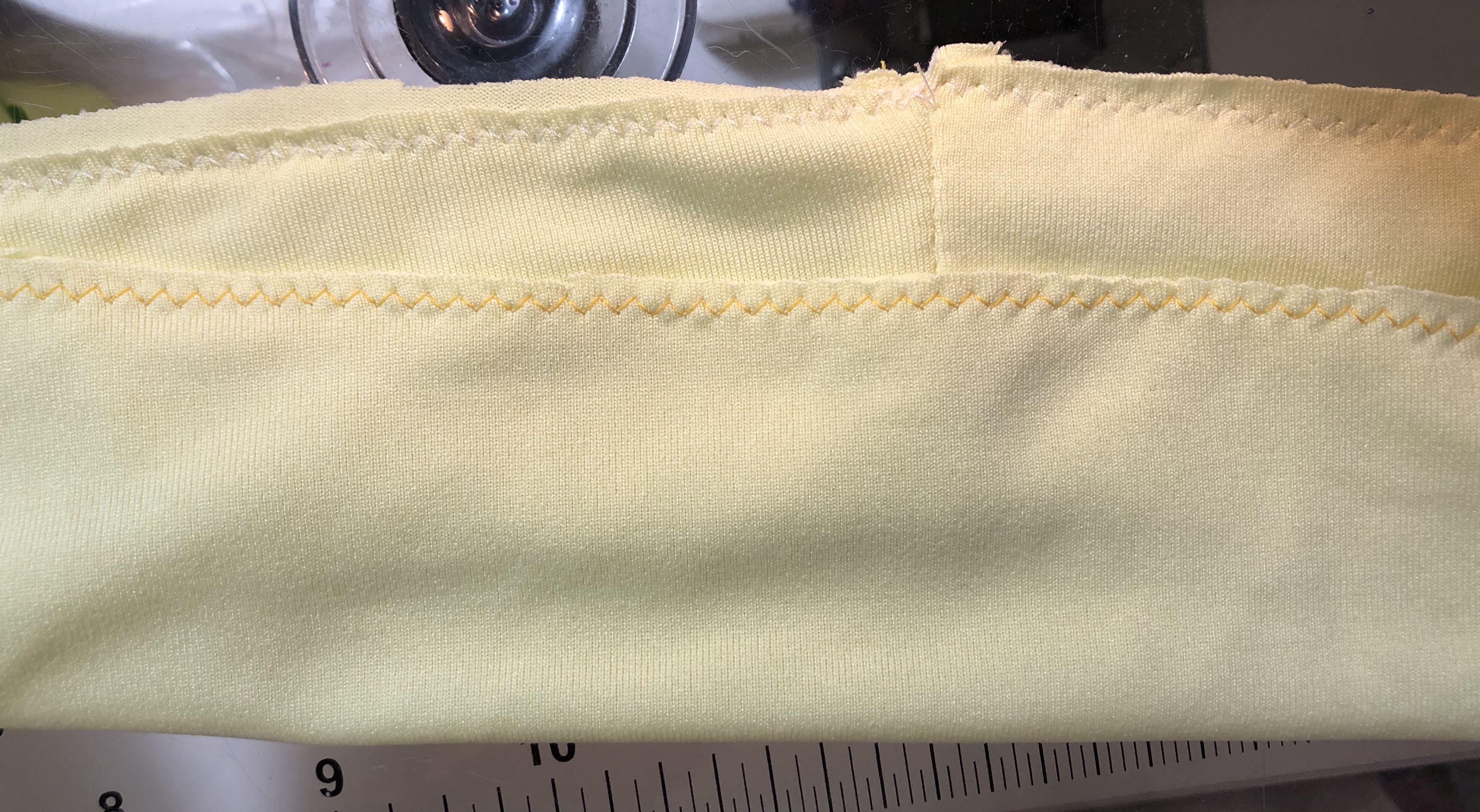 Cut bands at 4 inches wide, and the exact width of my thigh measurement. Slippery fabric bands work nicely when zig zag basted together before attaching to the shorts.
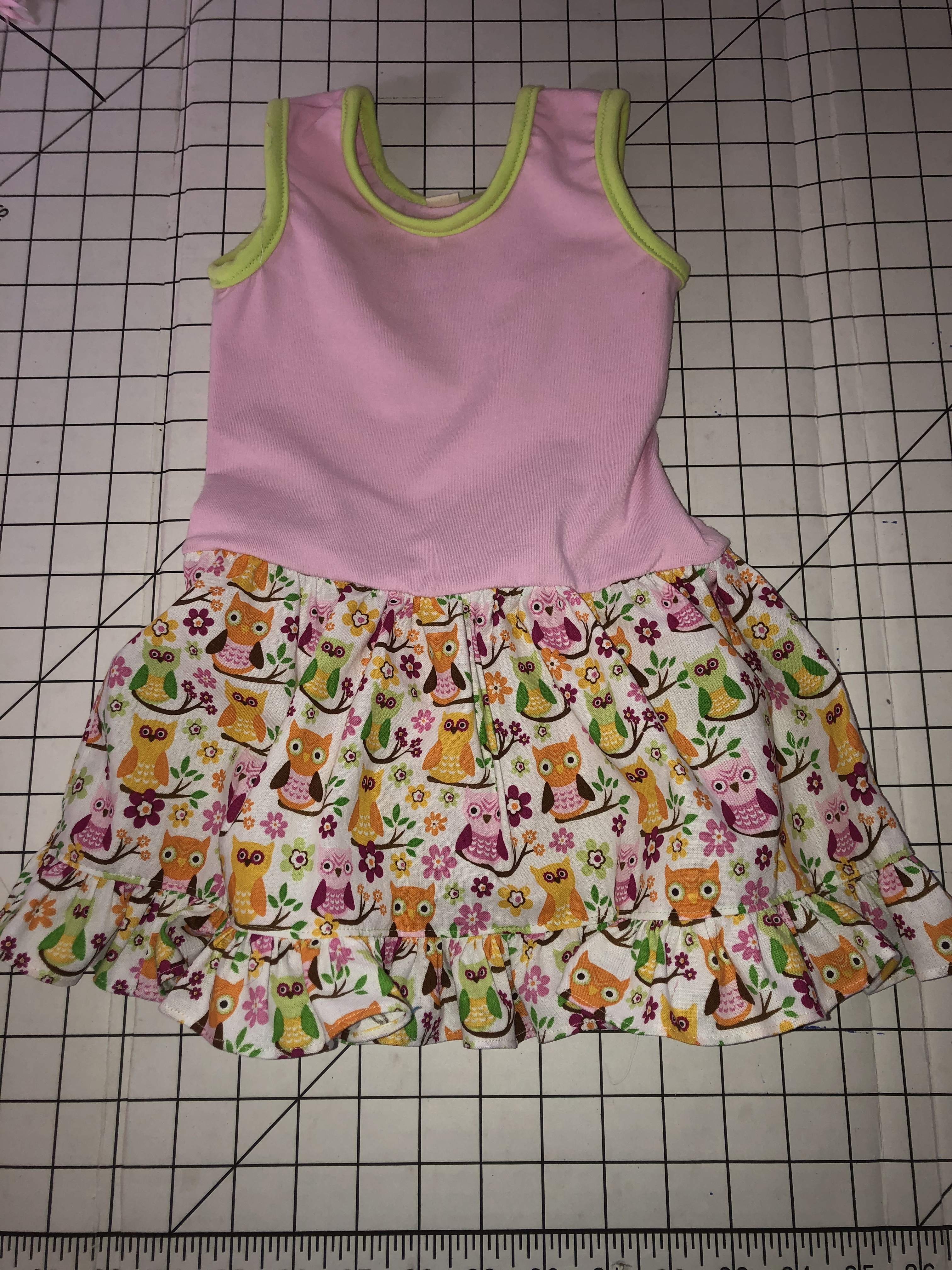 I was pleased to test 5 out of 4’s most recent pattern for a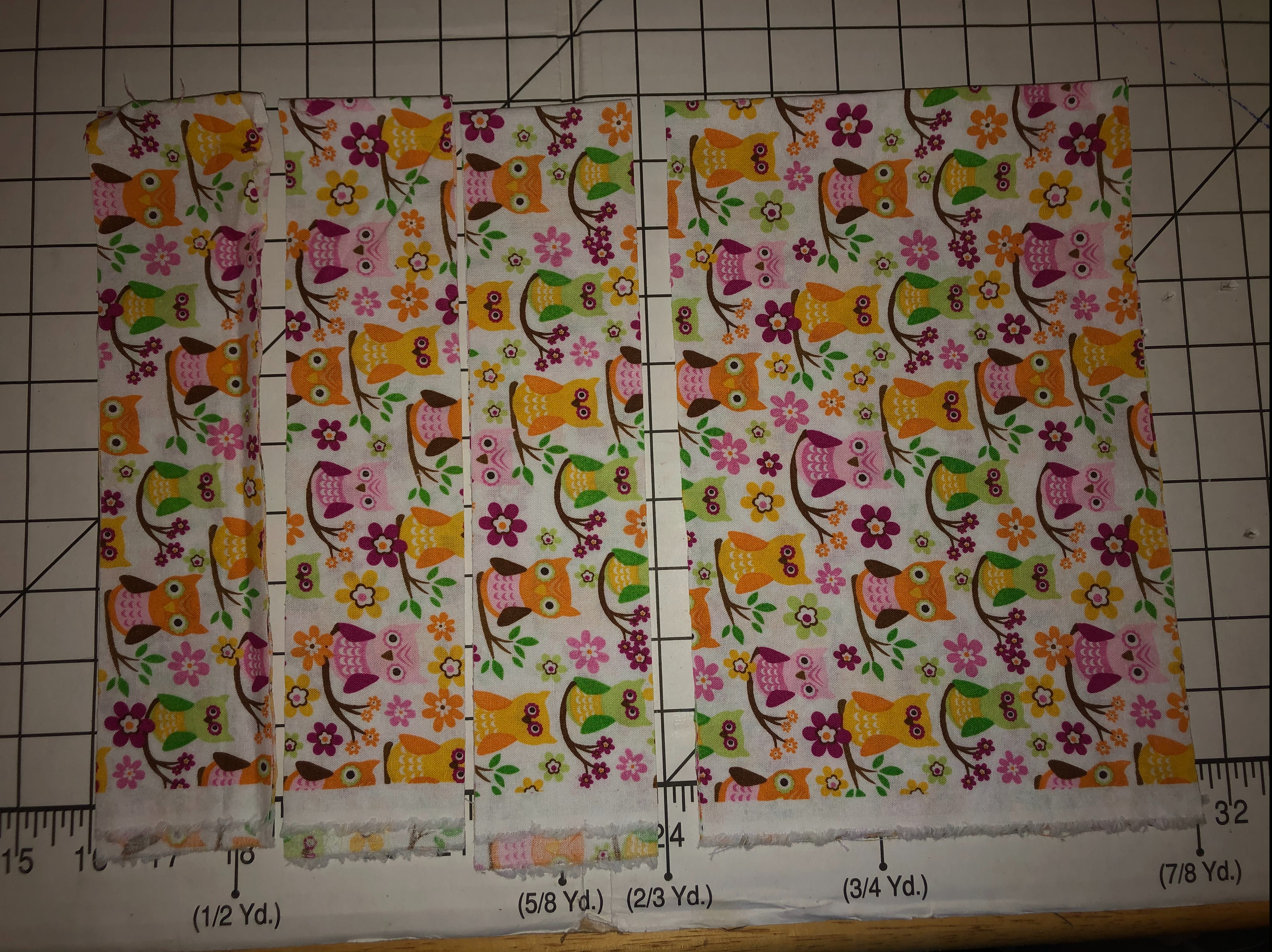


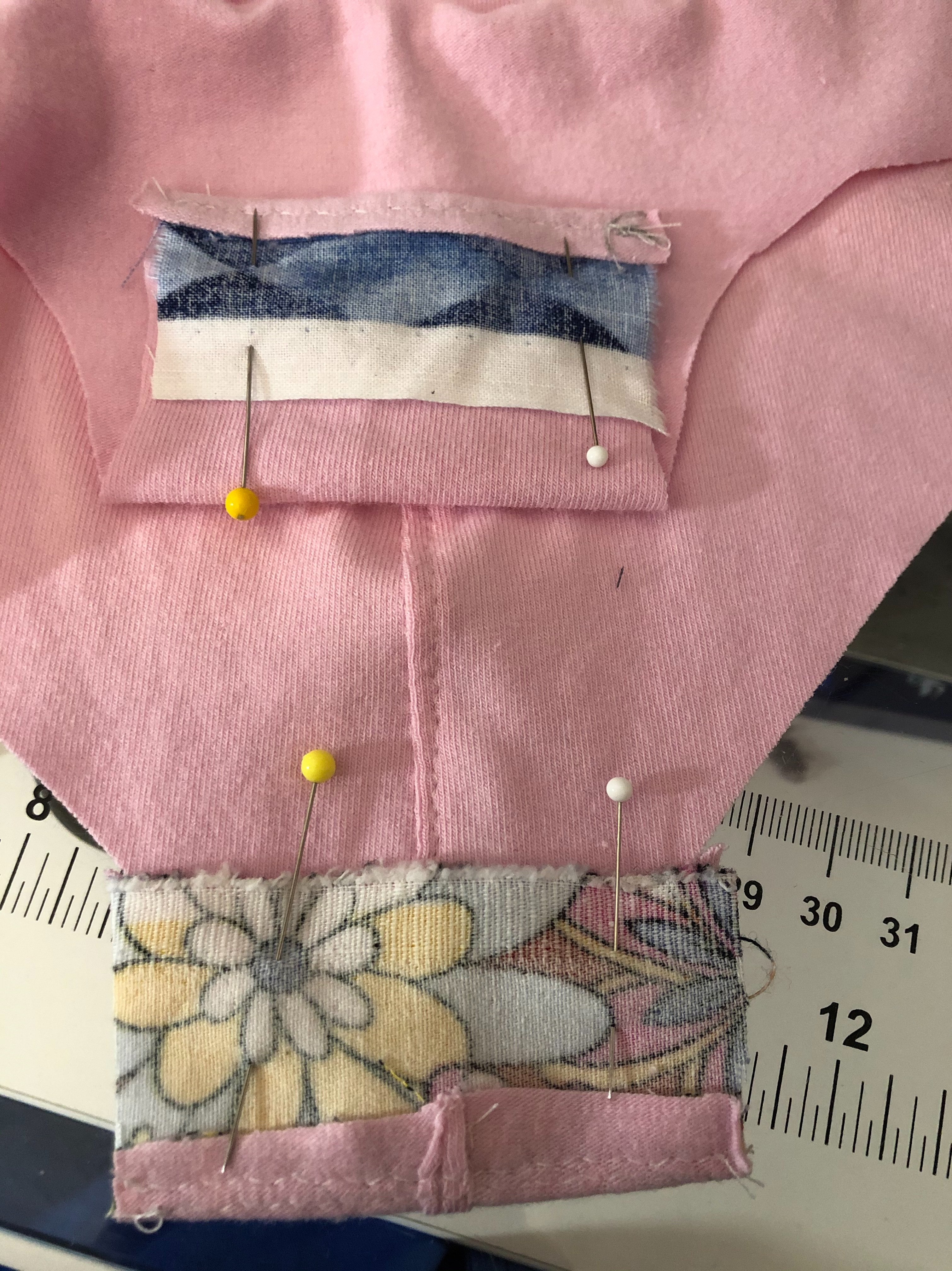 Folded the snap tabs back on them selves with right sides facing the right side of the garment. Stitched side seams, and ready for elastic!


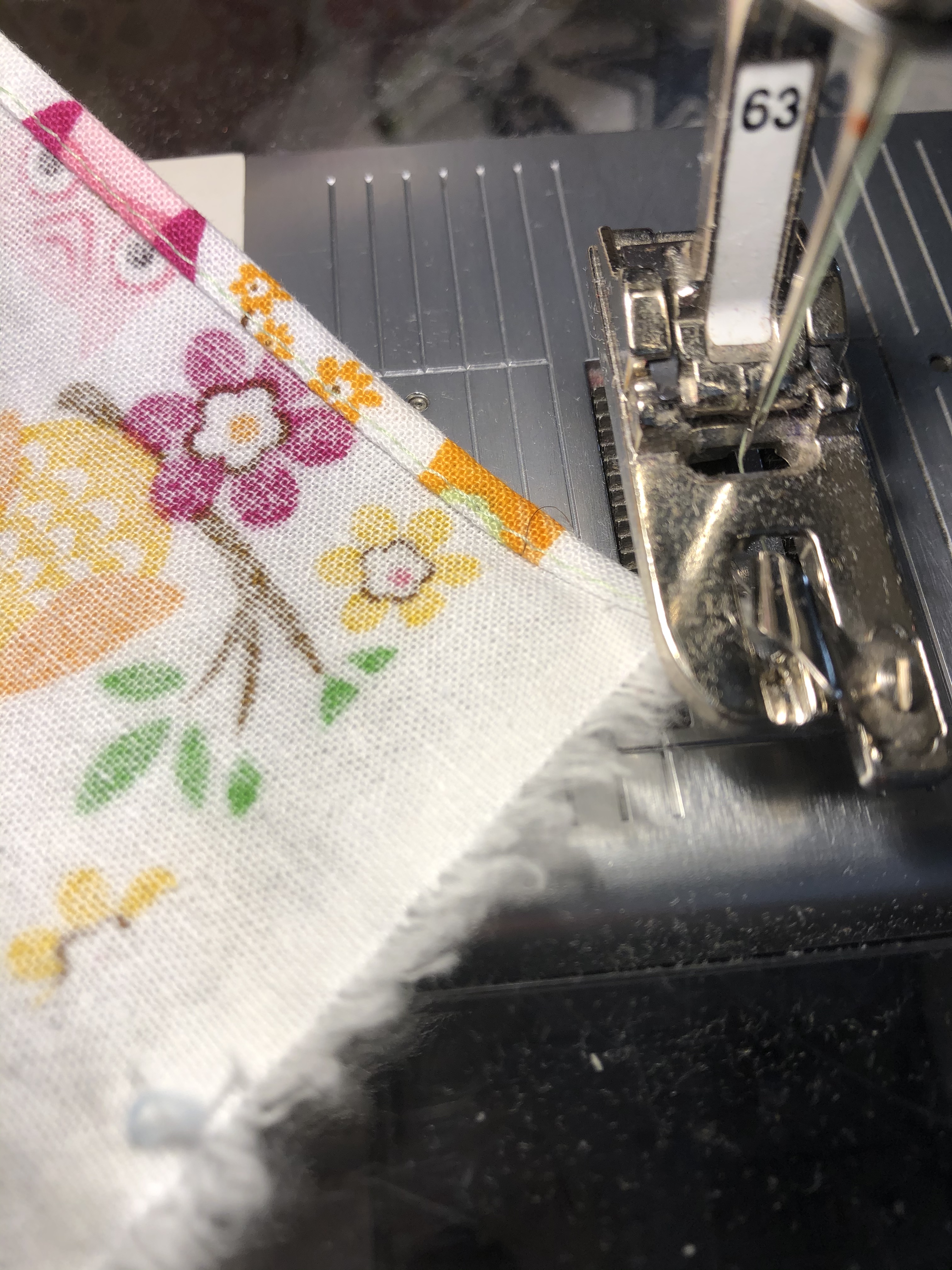 Then I took my rolled hem foot and hemmed 10 feet or more of ruffle. This one takes practice.
 To gather the top edge of the skirt I measured a length of 1/4 inch clear elastic, and wide zig zagged that to the end of the skirt panel which I had sewn together. Luckily I marked the middle of the elastic and the seam marked the middle of the skirt, so this is more even than the leg openings.
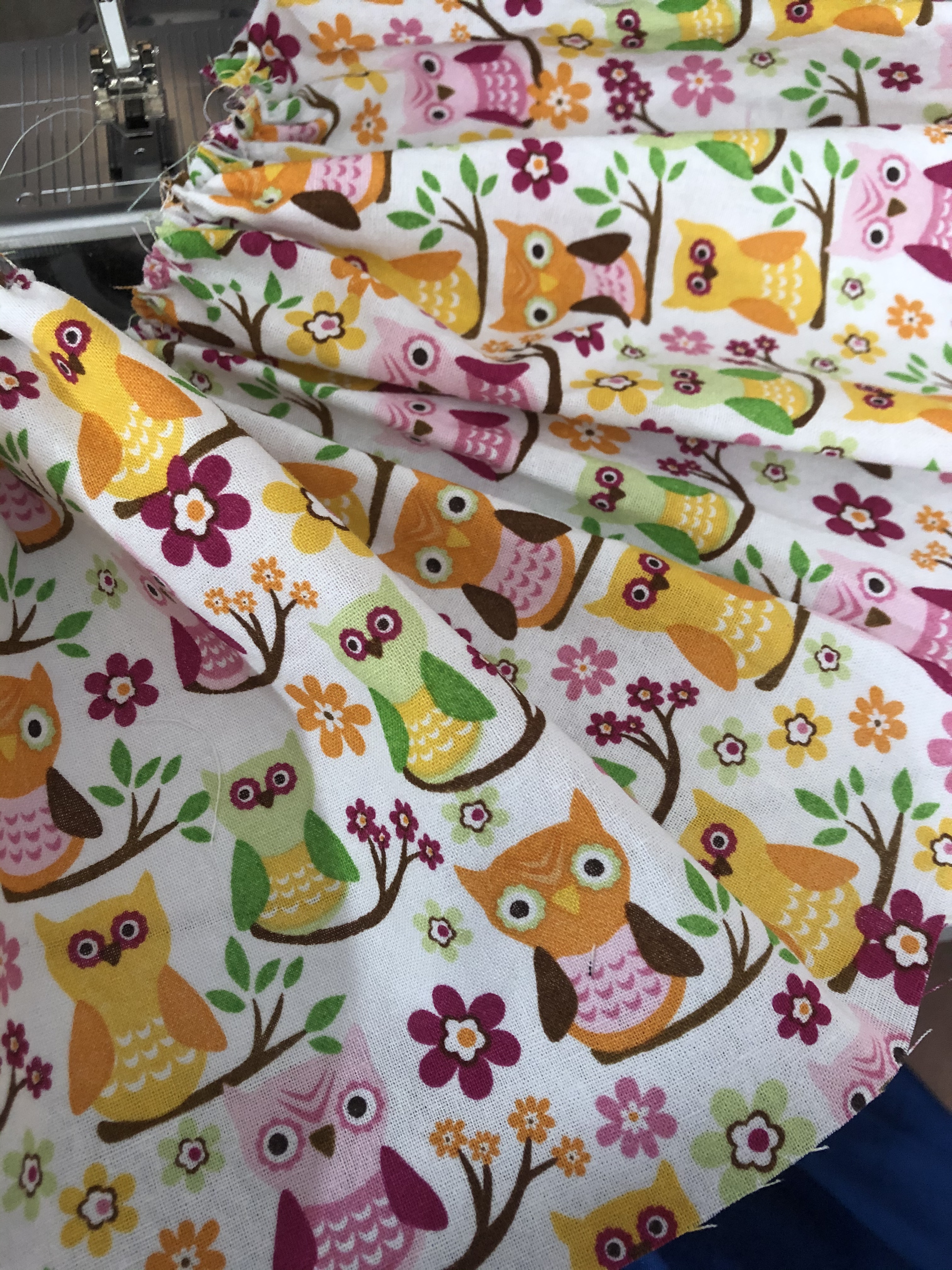 Like magic, one gathered (and still stretchy) skirt. I used a different foot for the ruffle.
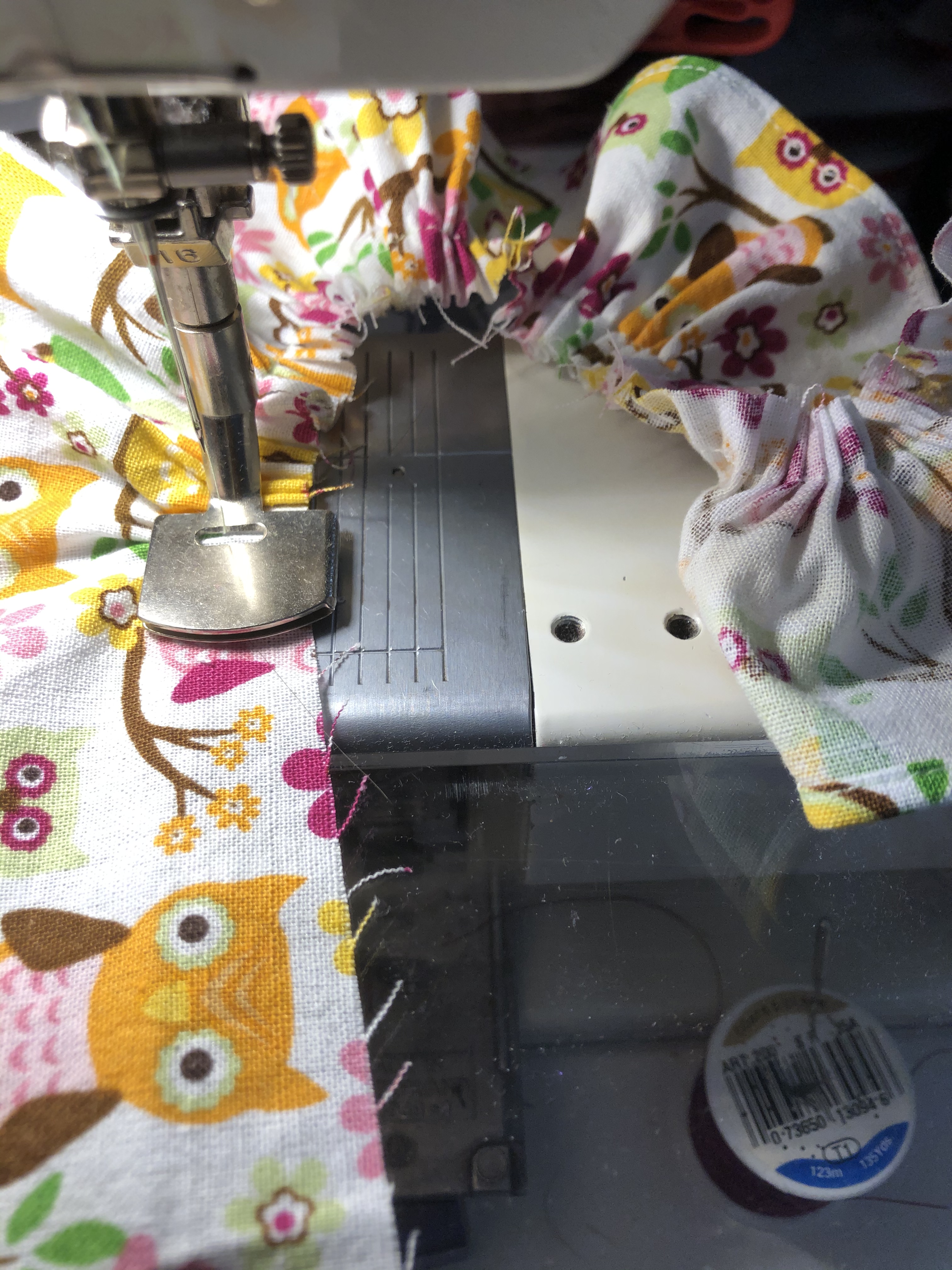 Meet BERNINA #16. The gathering foot. I marked off 10 inches of strip, gathered, and it ended up being almost 5 inches. I had 5 ruffle strips and 2 skirt strips so the math was in my favor. I ruffled on.


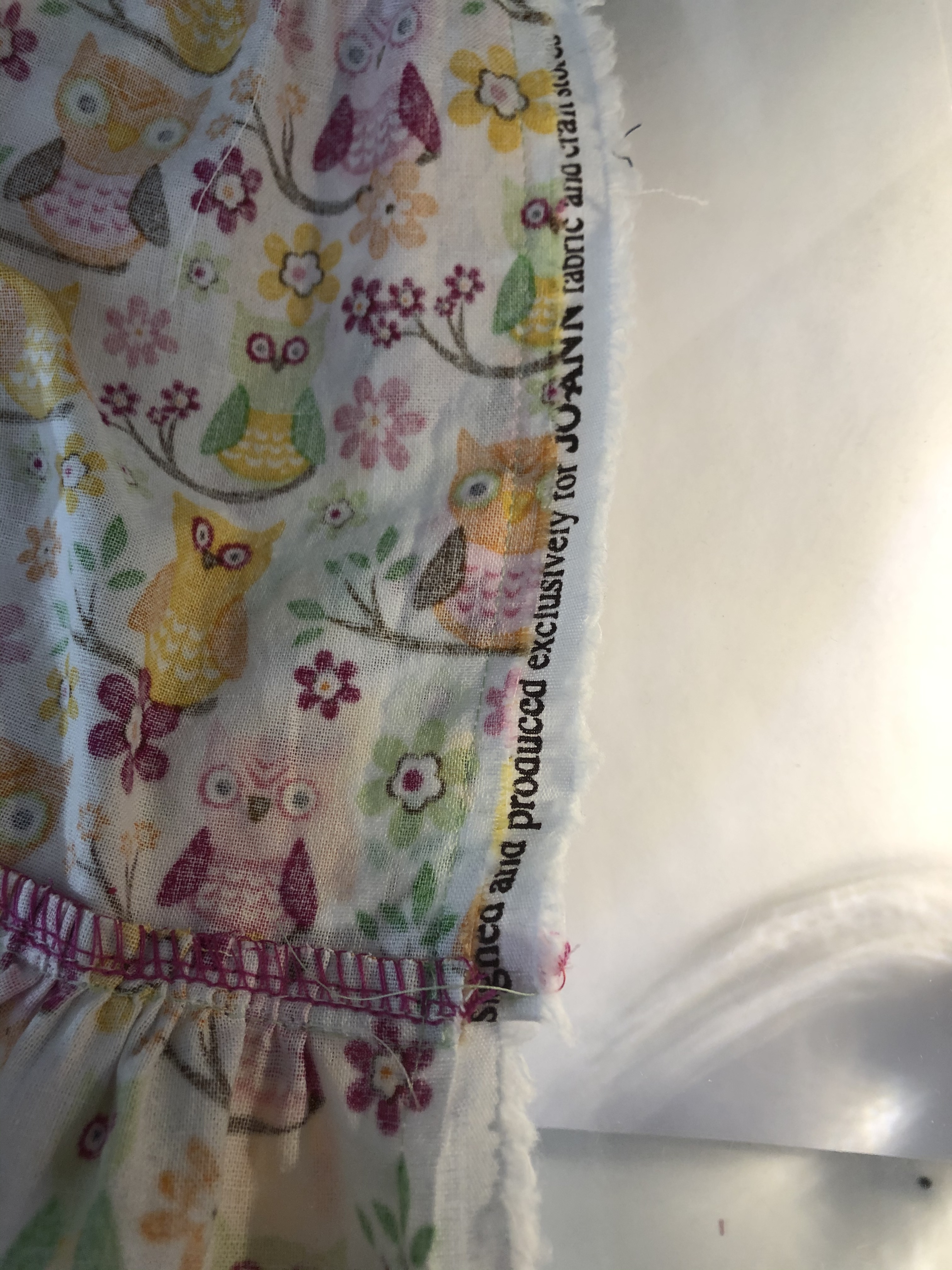 Aligned the skirt side edges, After I cut off extraneous ruffle, and stitched the side seam!
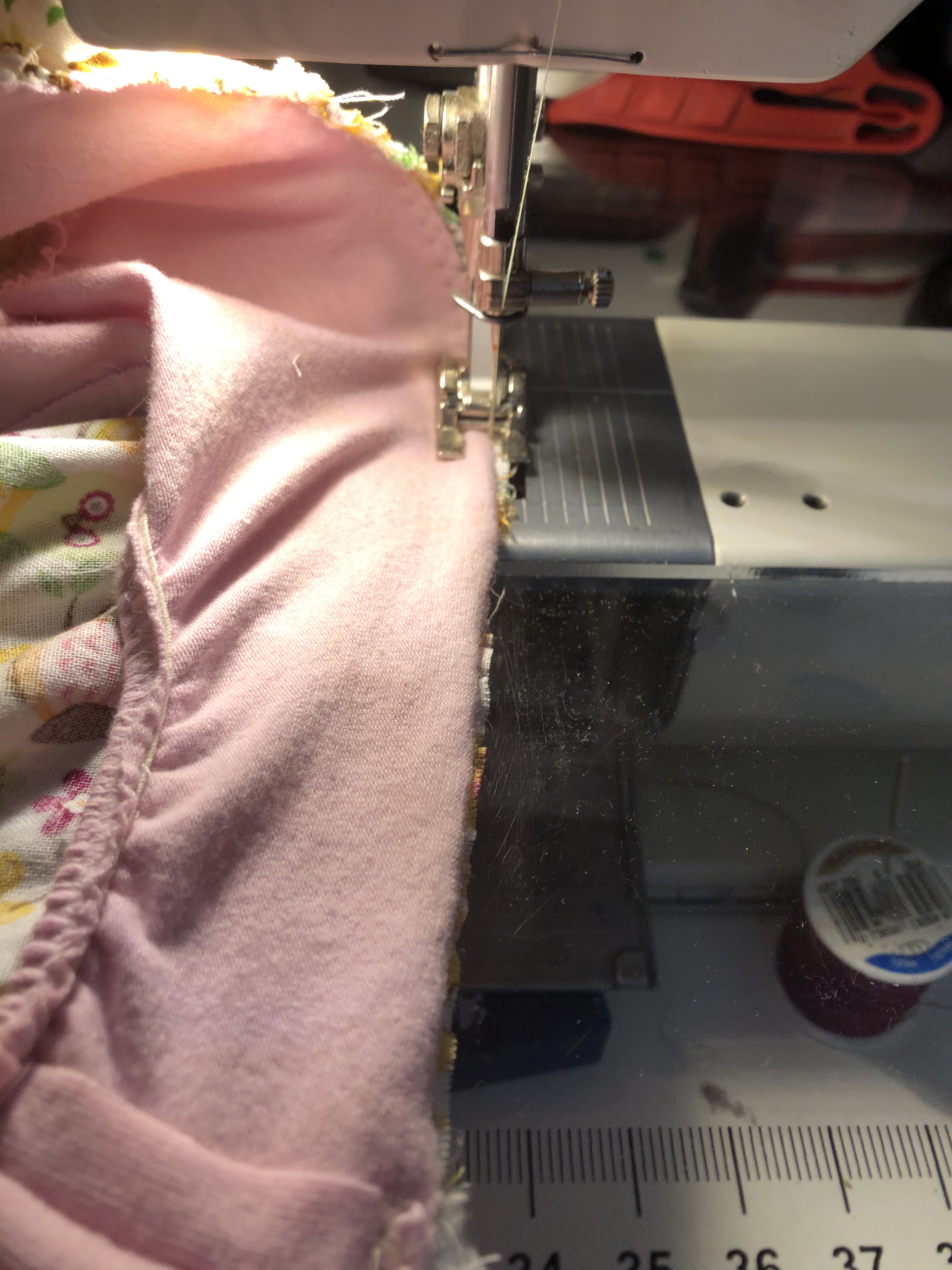 With the skirt right side down and the panty portion right side down, I stitched the two together matching side seams. I used a 3×3 zig zag.
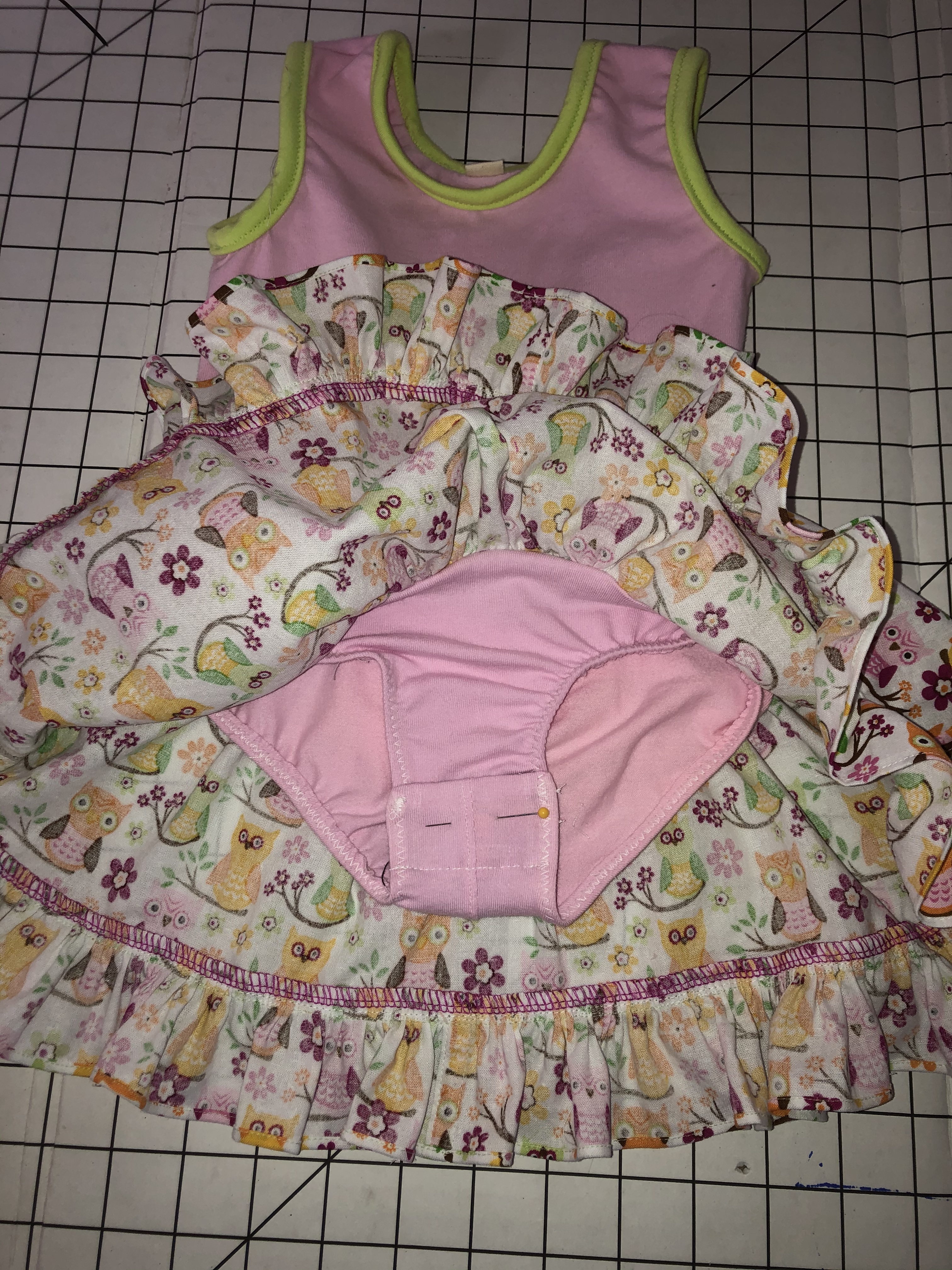 Oops no photo of sewing the right side of the skirt to the right side of the bodice, but that was also sewn with a 3×3 zig zag, after I was sure I had front matched to front and side seams together.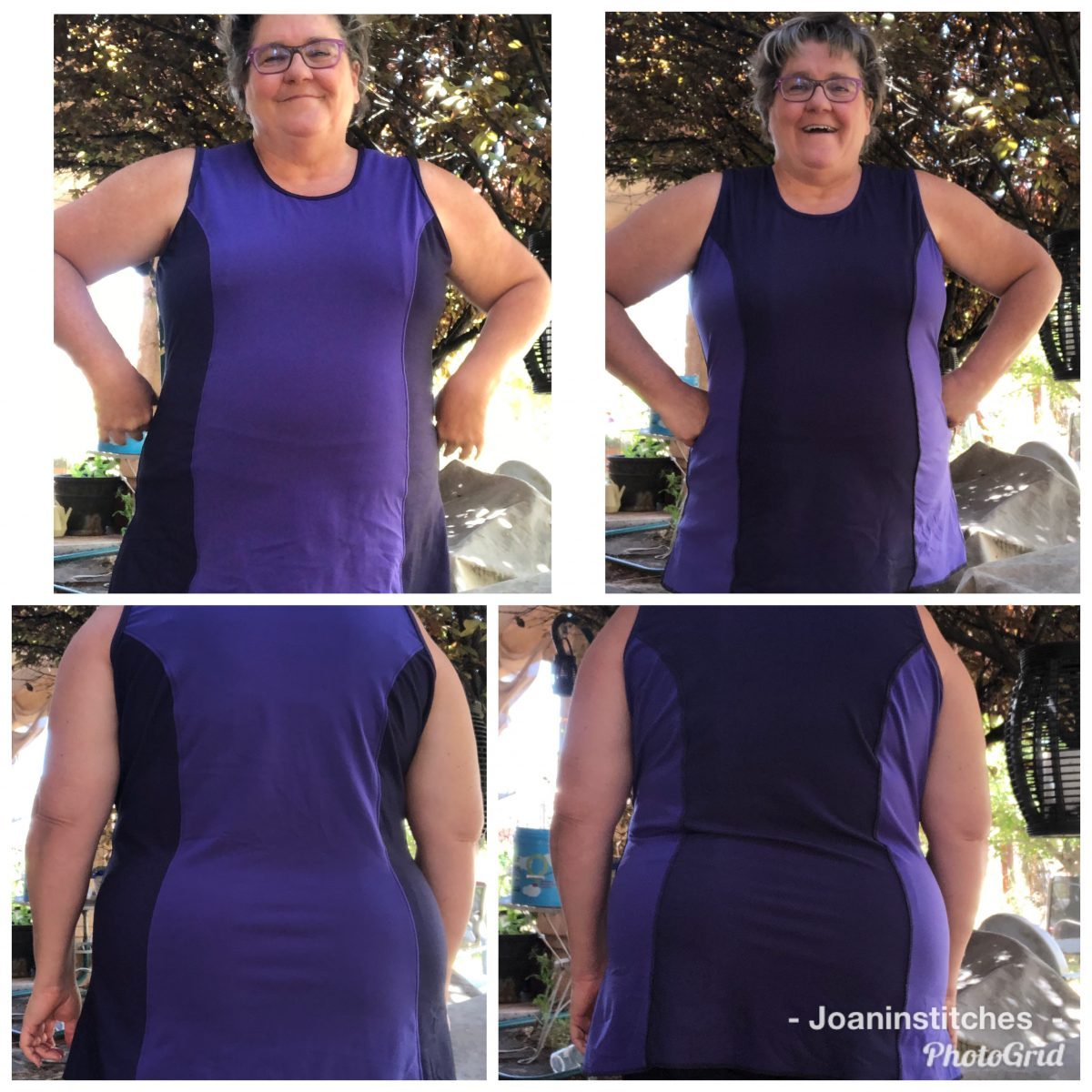


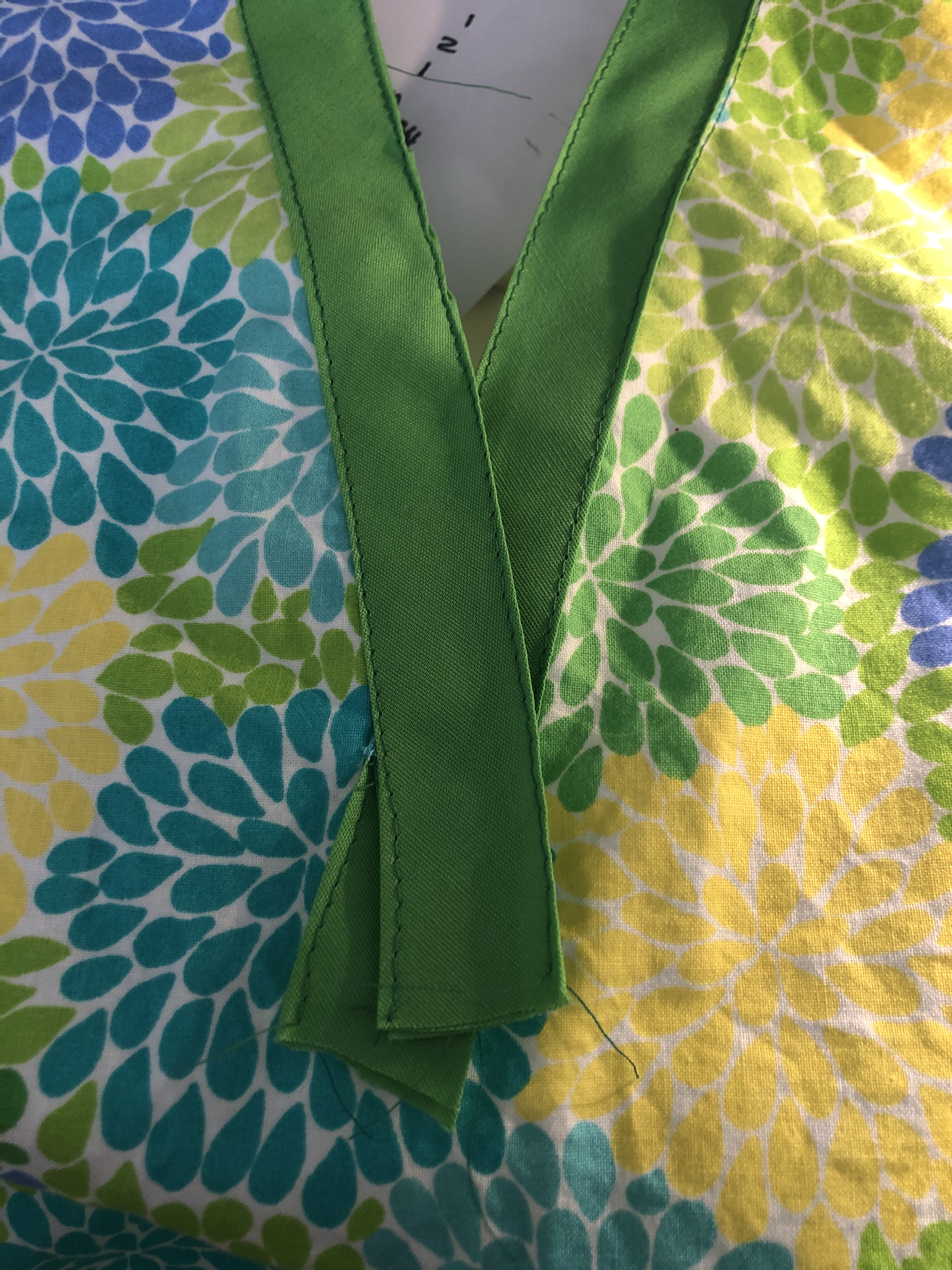
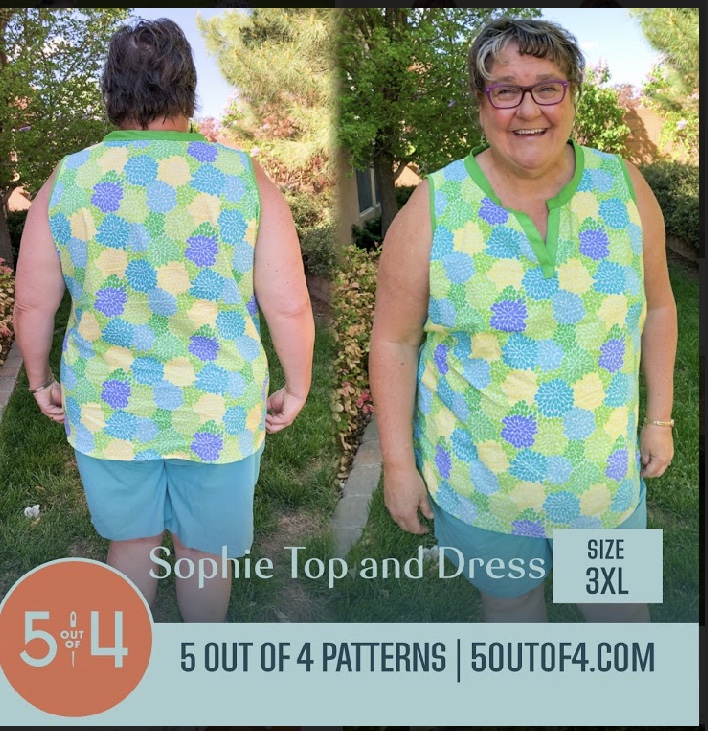 I had the pleasure of testing 5oo4’s first woven top. Jessica did not miss a beat with this one. A lightweight woven sleeveless top is my go to all summer long. The placket on this one is worth working on. It elevates a simple tank into something special.

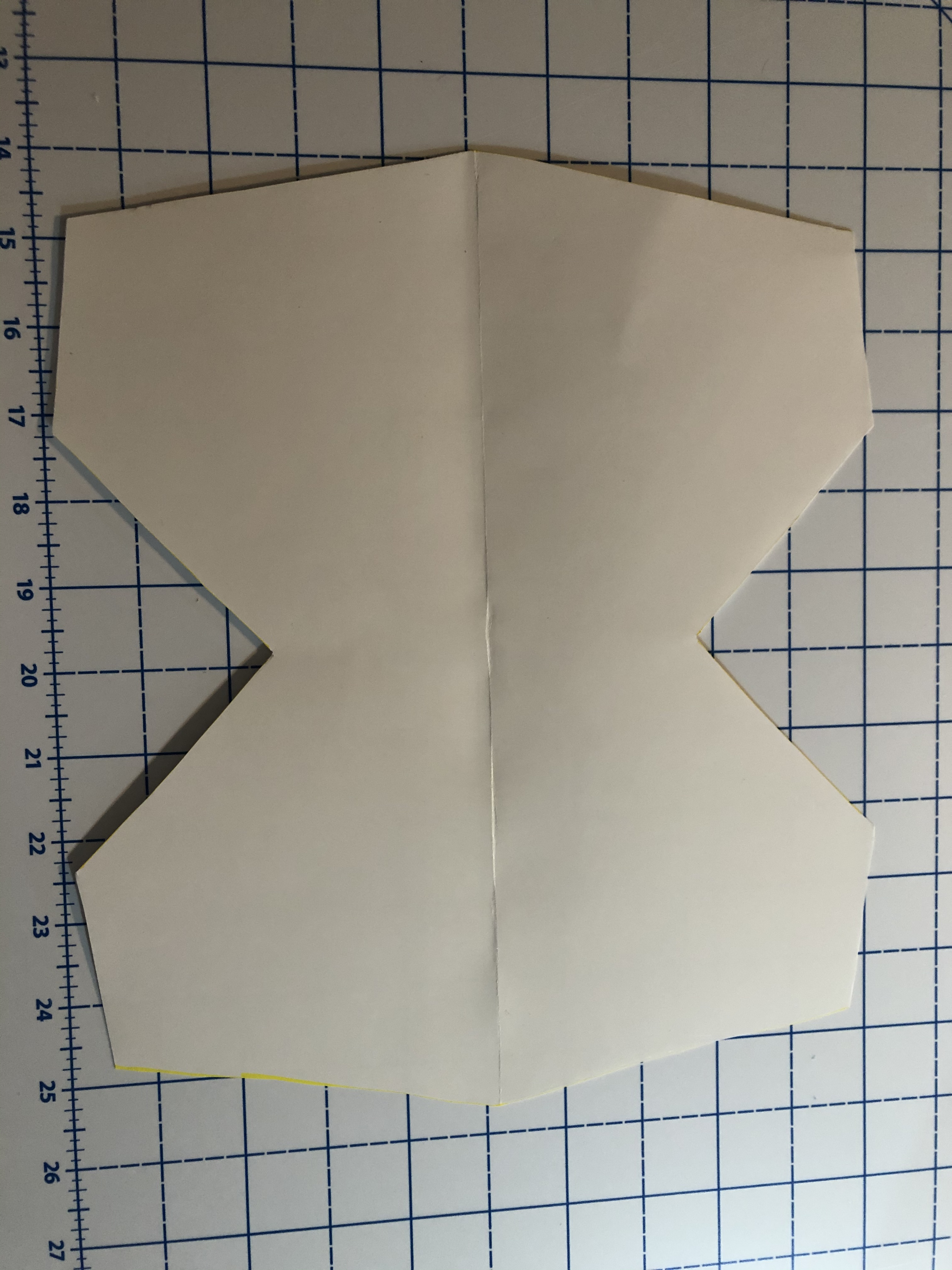
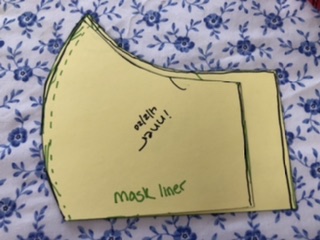
 March 6, 2019, at the onset of the Covid19 crisis, we were warned against hugging, shaking hands, and were advised to wear masks. This was in yoga class, by a student with medical training. Lucky me, I made masks the year before in hopes of seeing my first grand baby before we had all of our immunizations. This post is purely a “how to” using the mask pattern from
  I like the seam to roll to the lining side.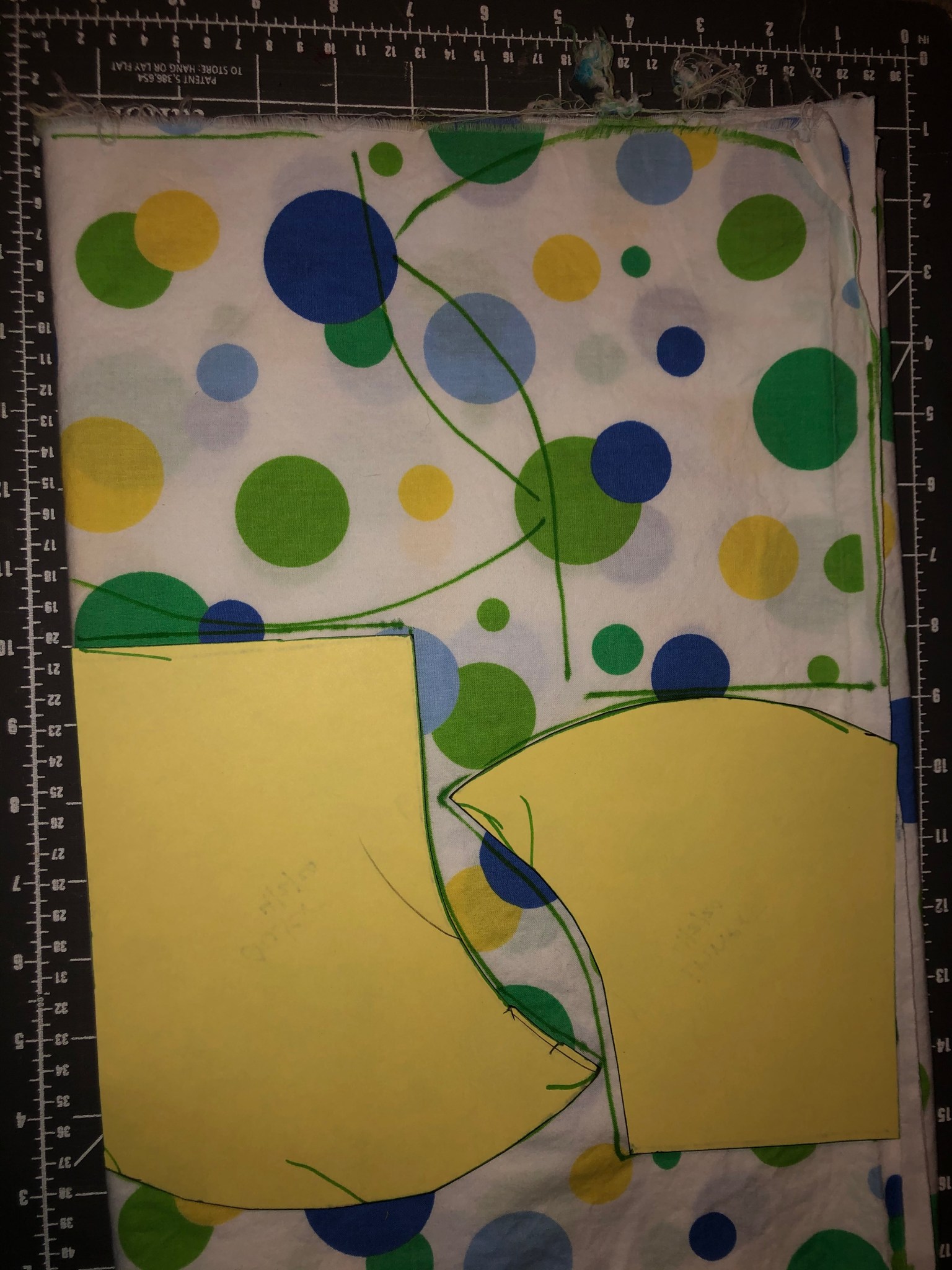
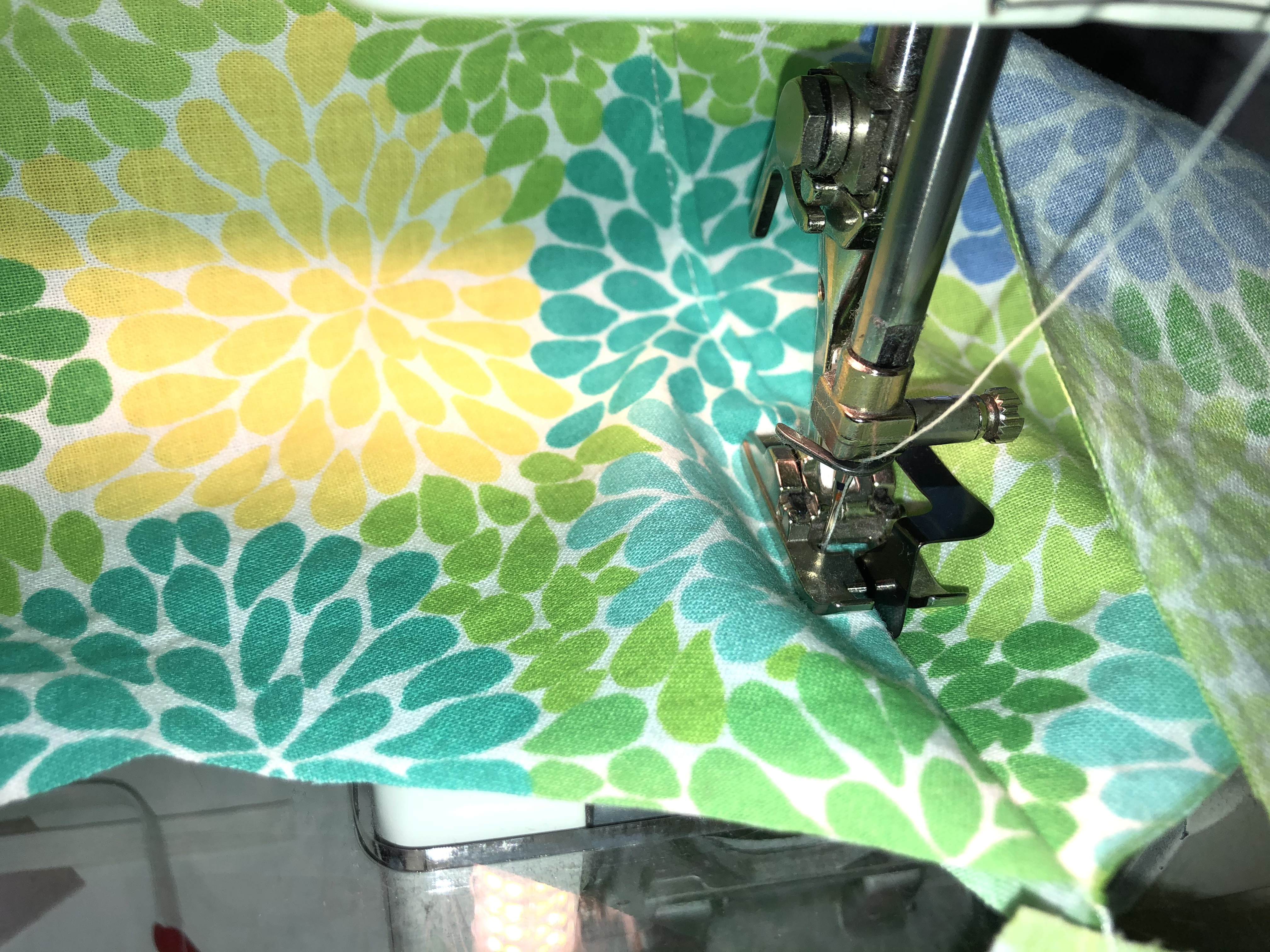
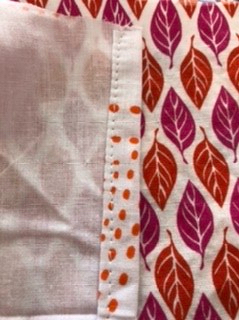
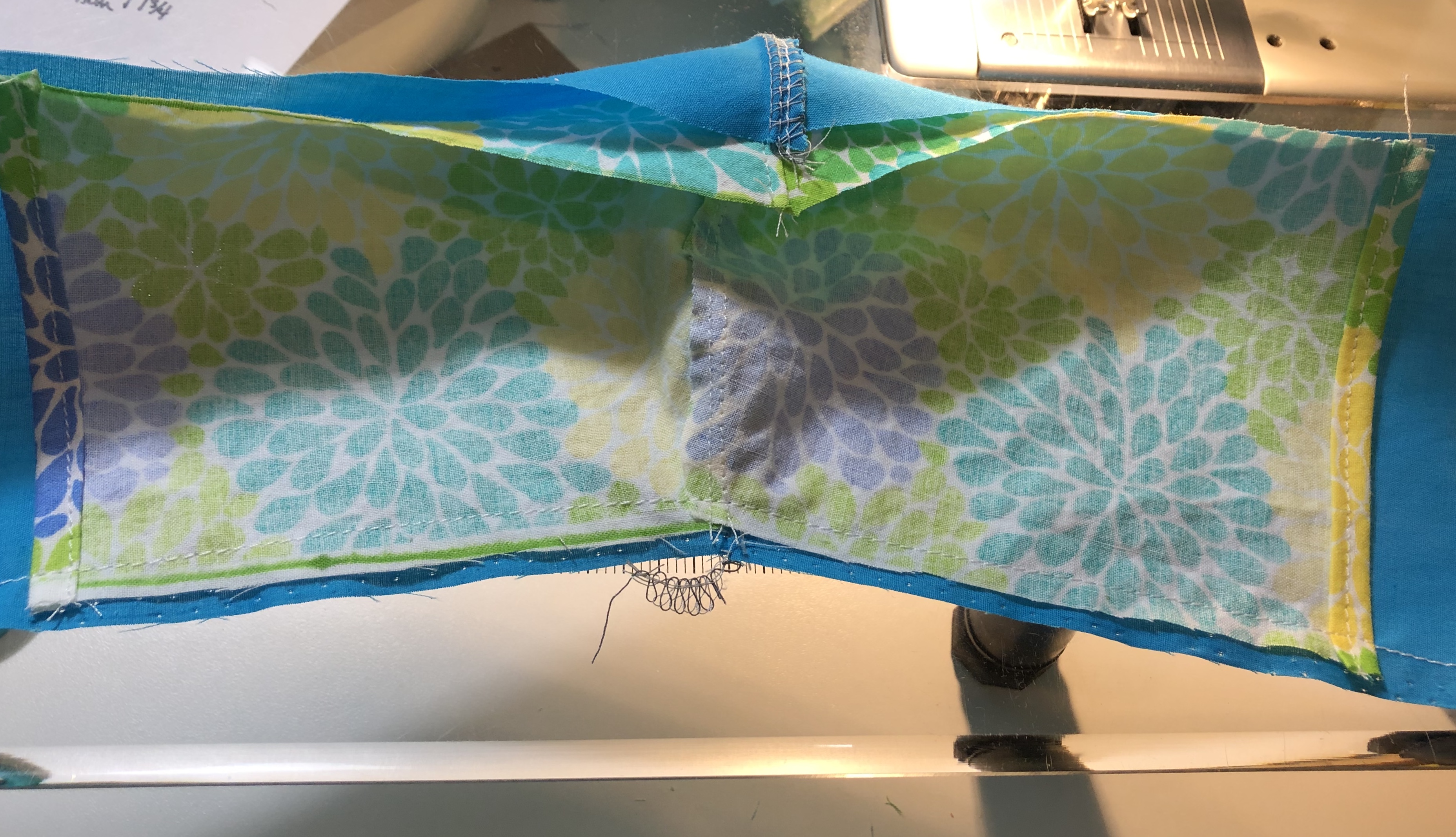
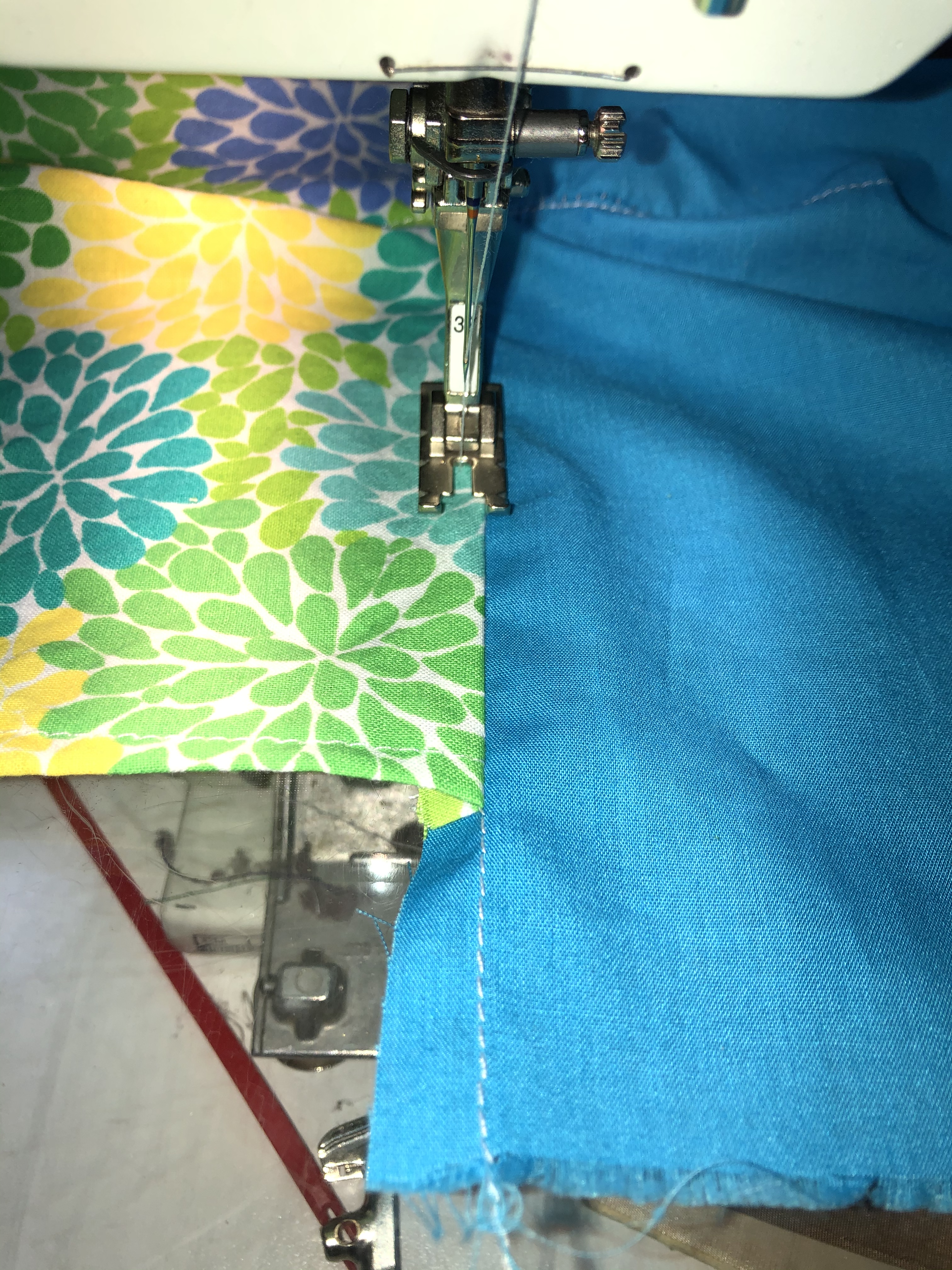
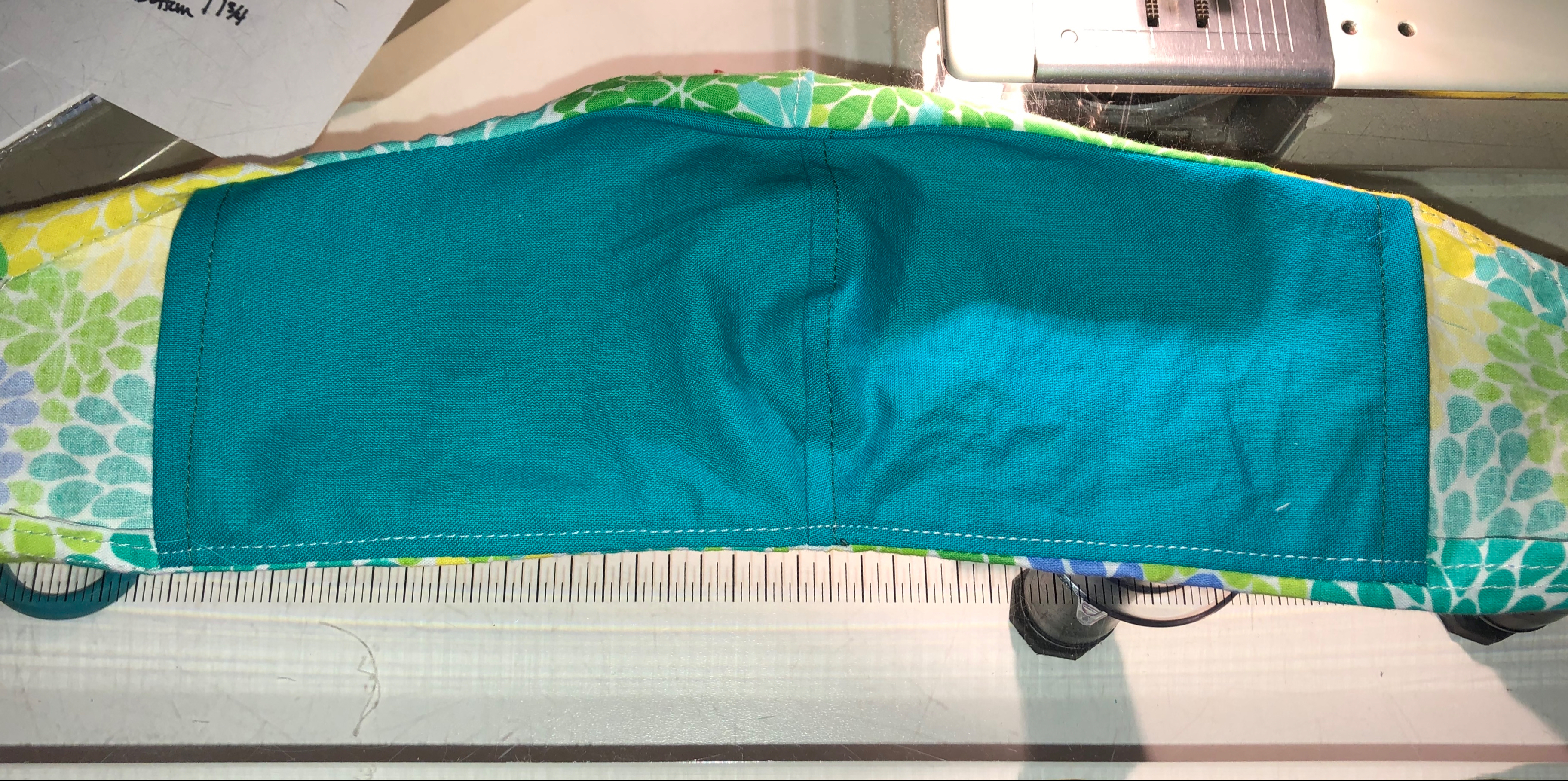
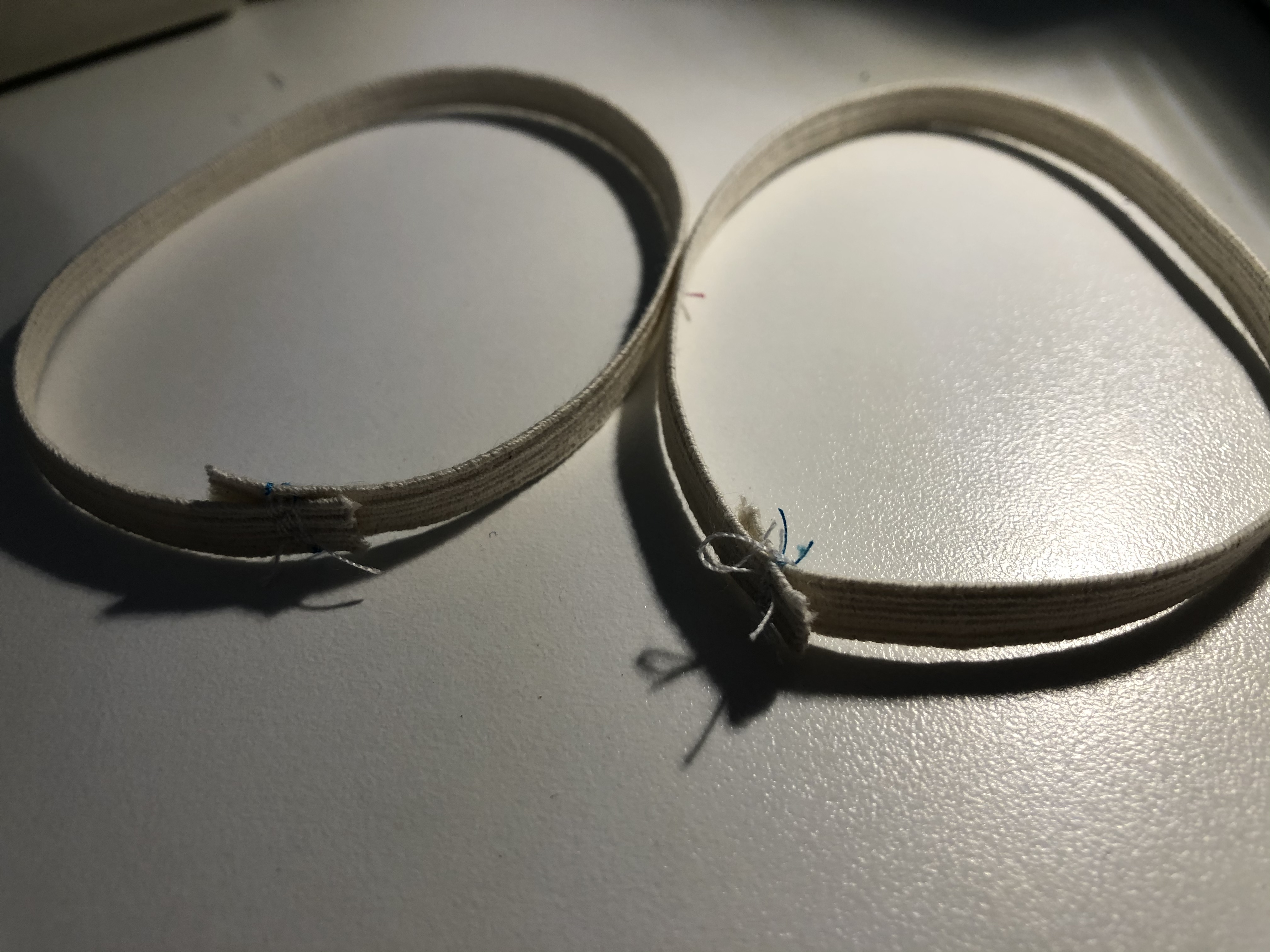 Lots of things can be used as a drawstring as well. Shoe strings, strips of tee shirt, longer elastic, twill tape, bias strips. Overlap the elastic ends 1/2 inch and stitch back and forth two times. This process can also be chain pieced.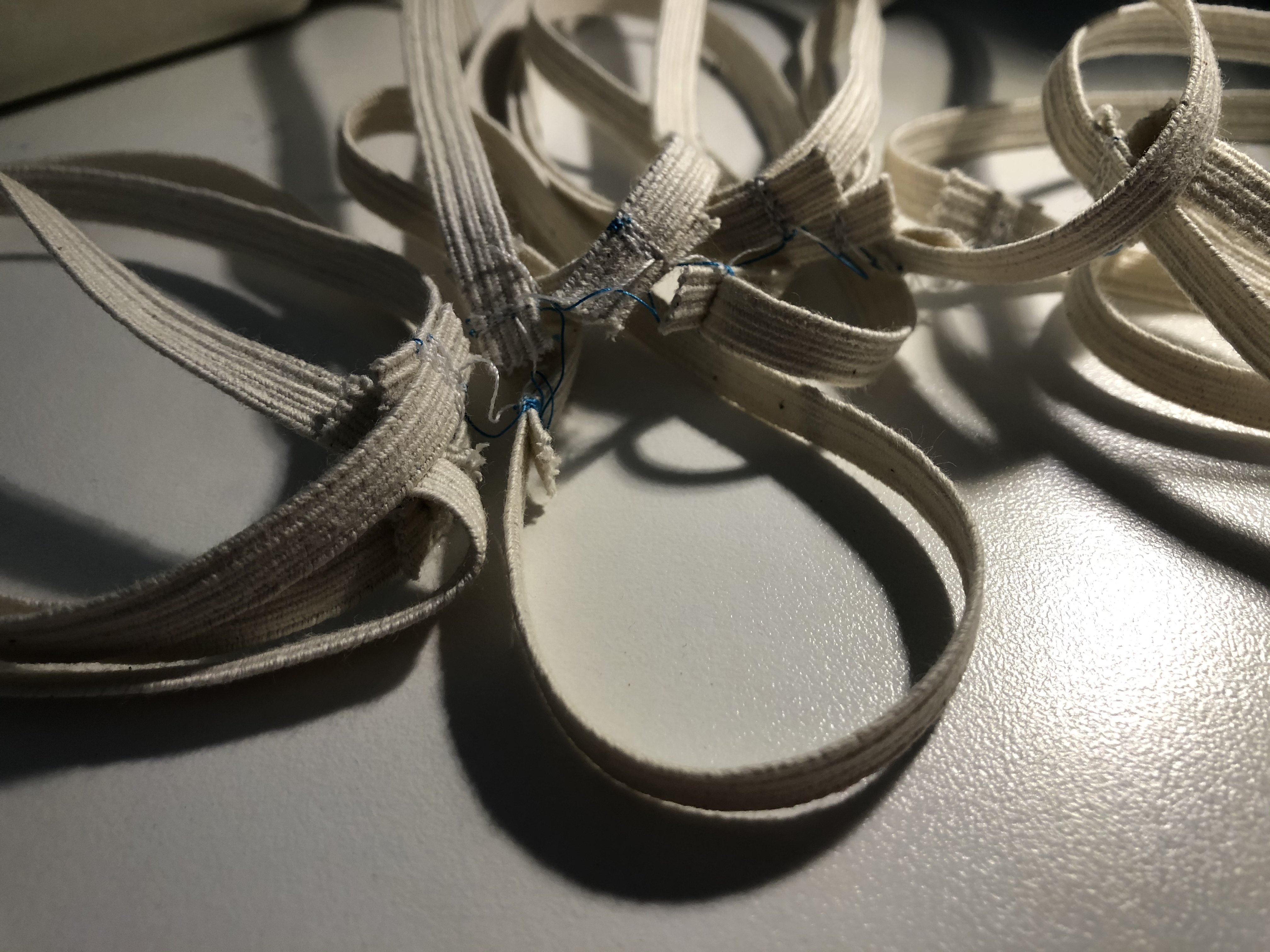


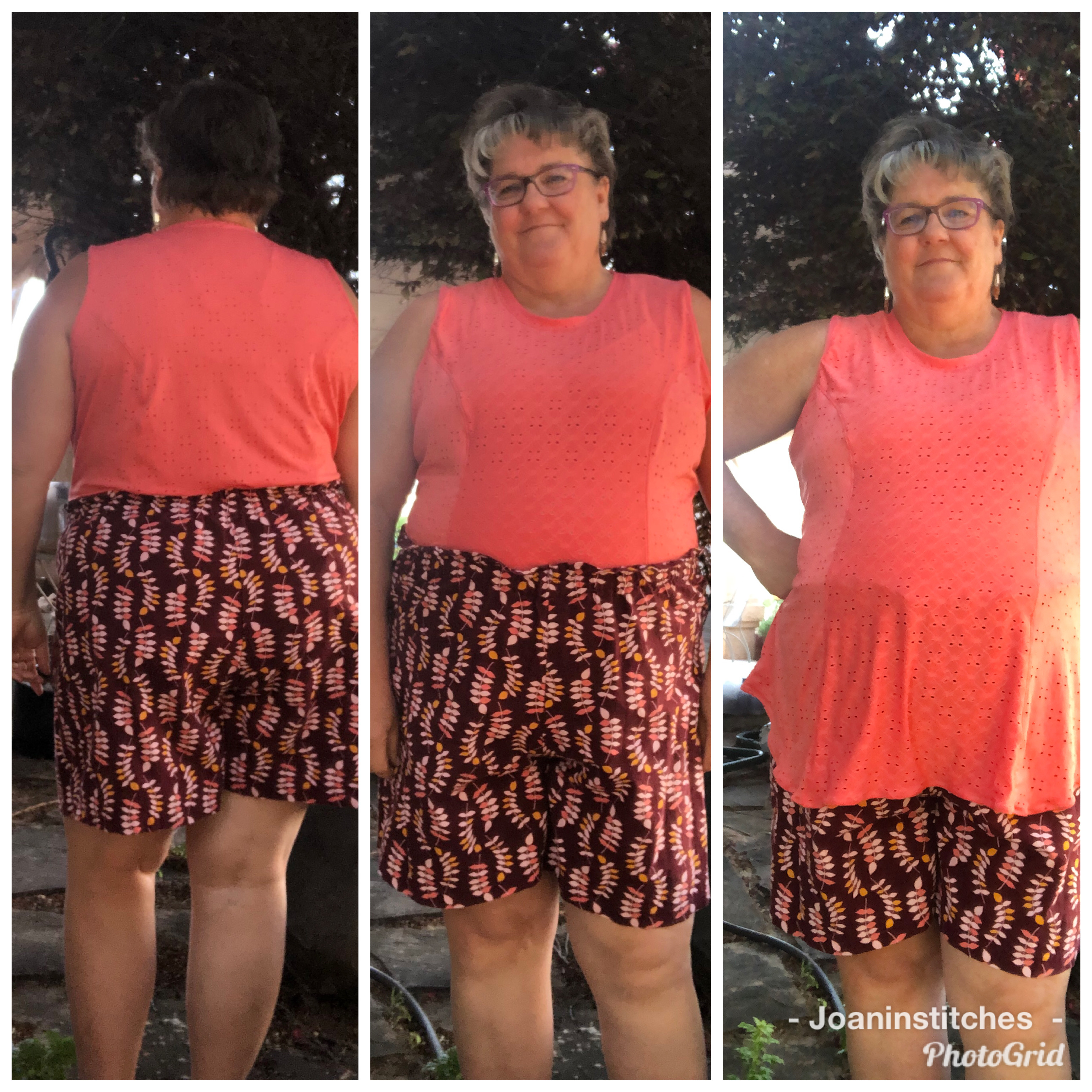
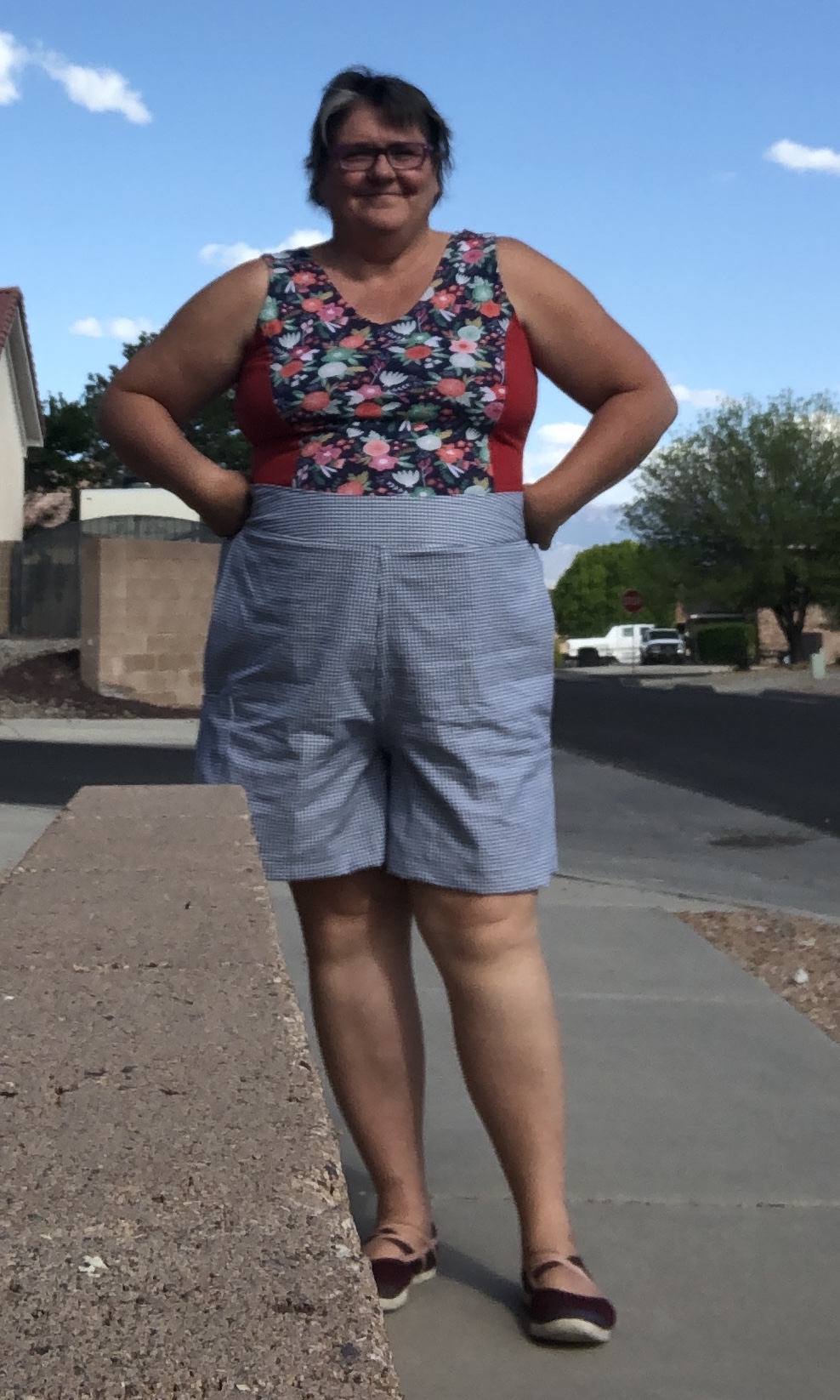
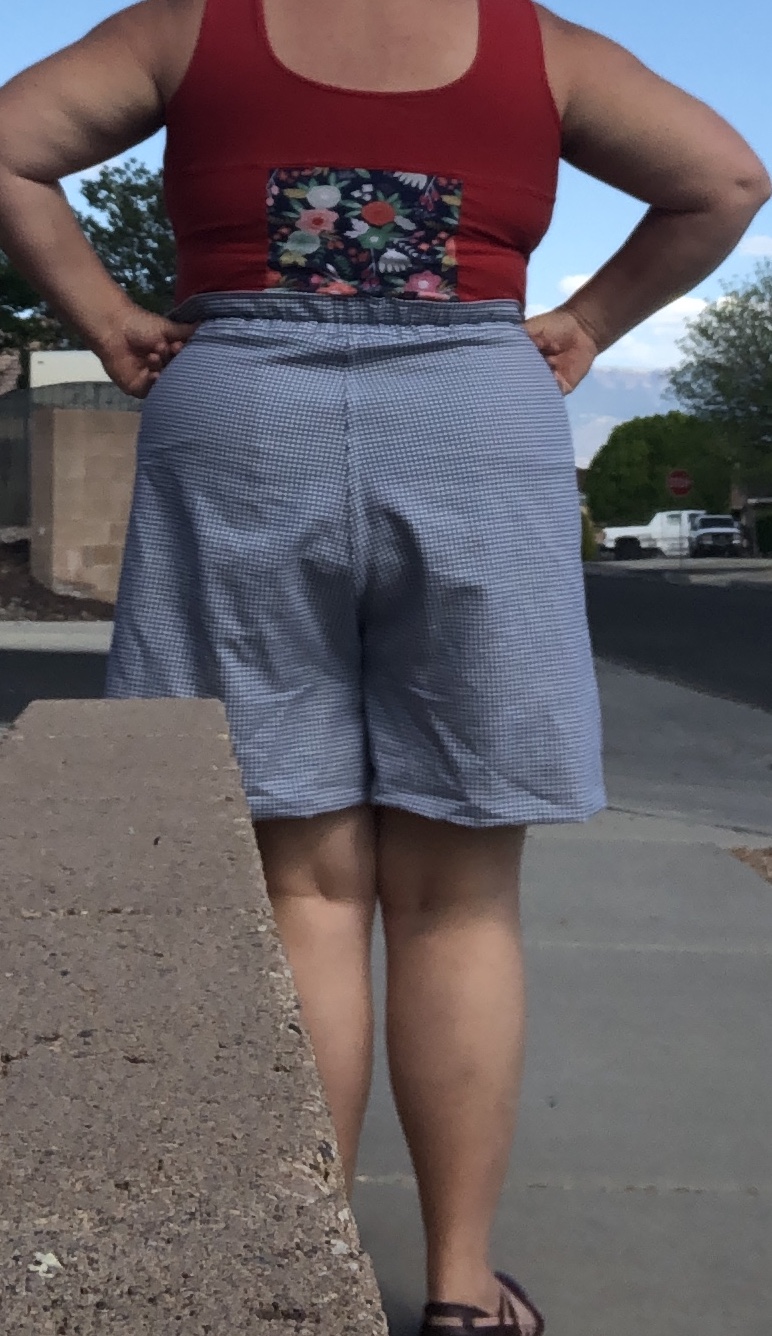
 I live in shorts 3/4 of the year or more, so when I saw the latest pattern by Cashmerette, I did not have to think twice. Woven shorts with a flat front, pockets, and elastic waist? Yes please! This is a perfect pairing with one of the many Spruce tops I love and live in.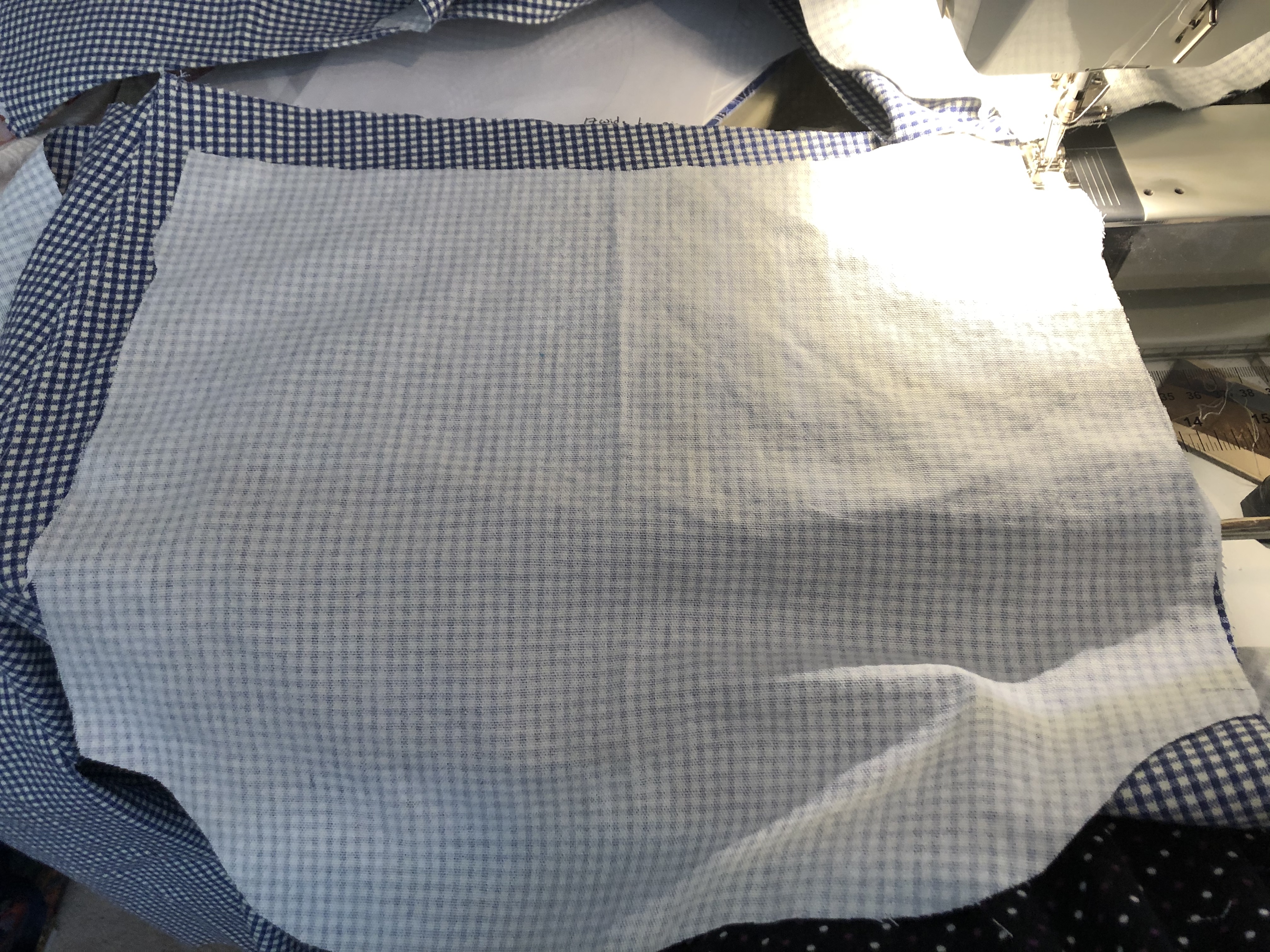
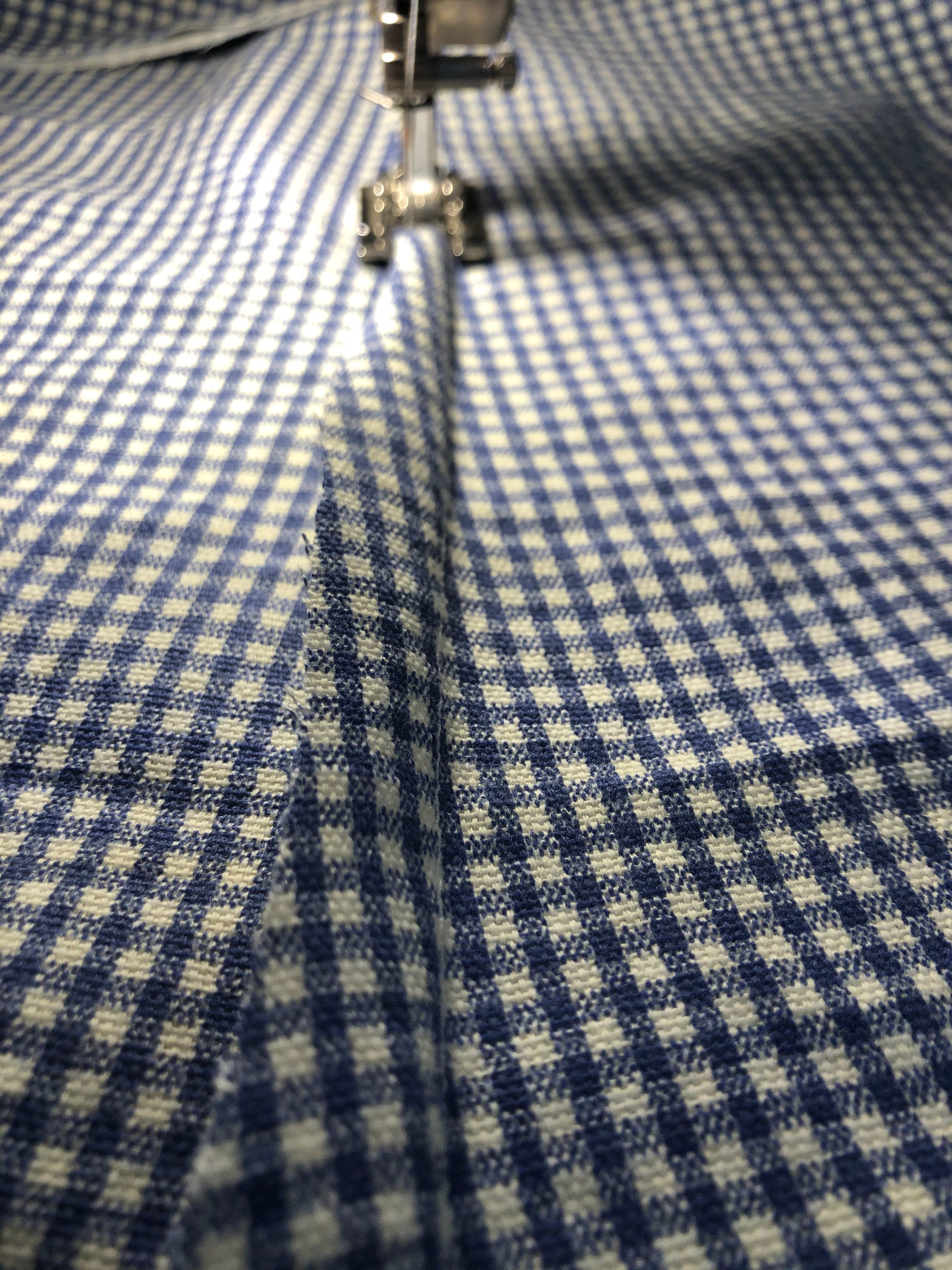


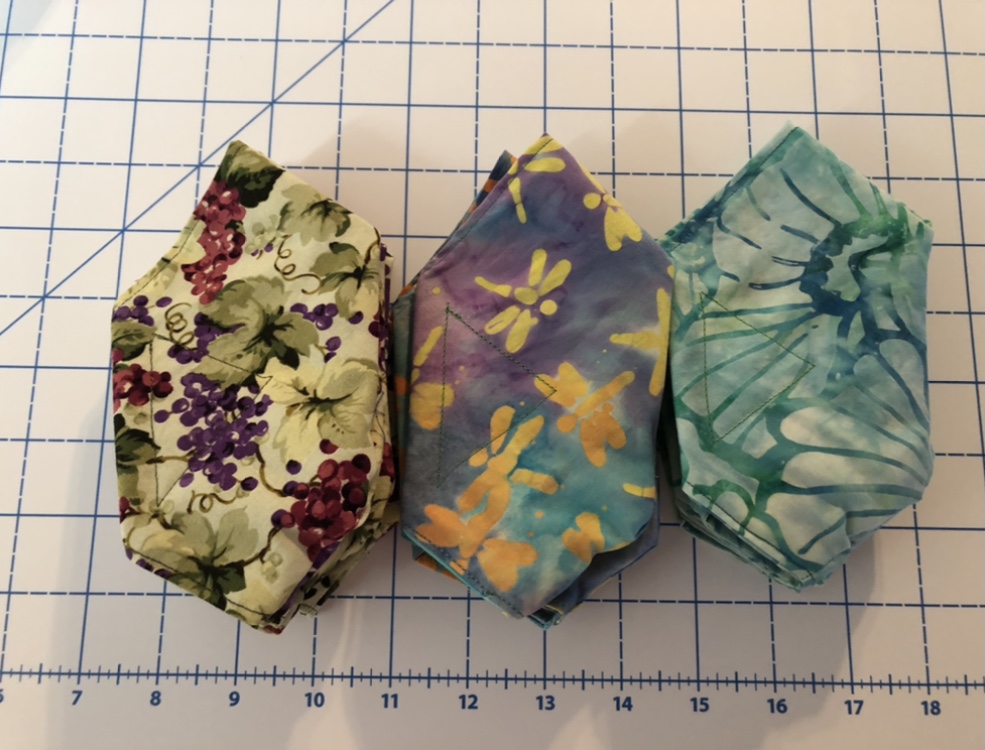
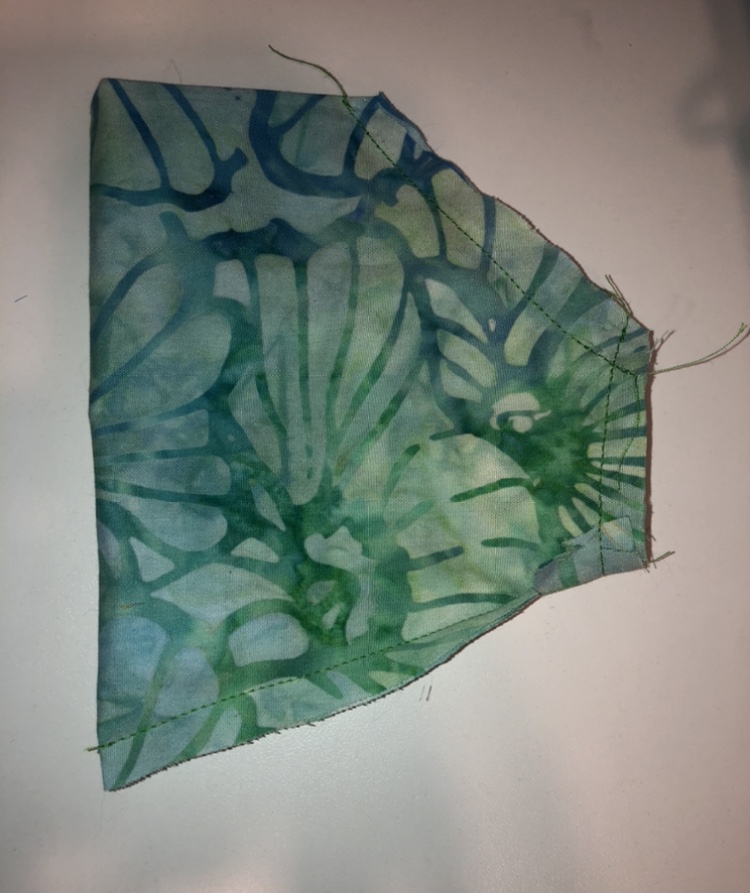
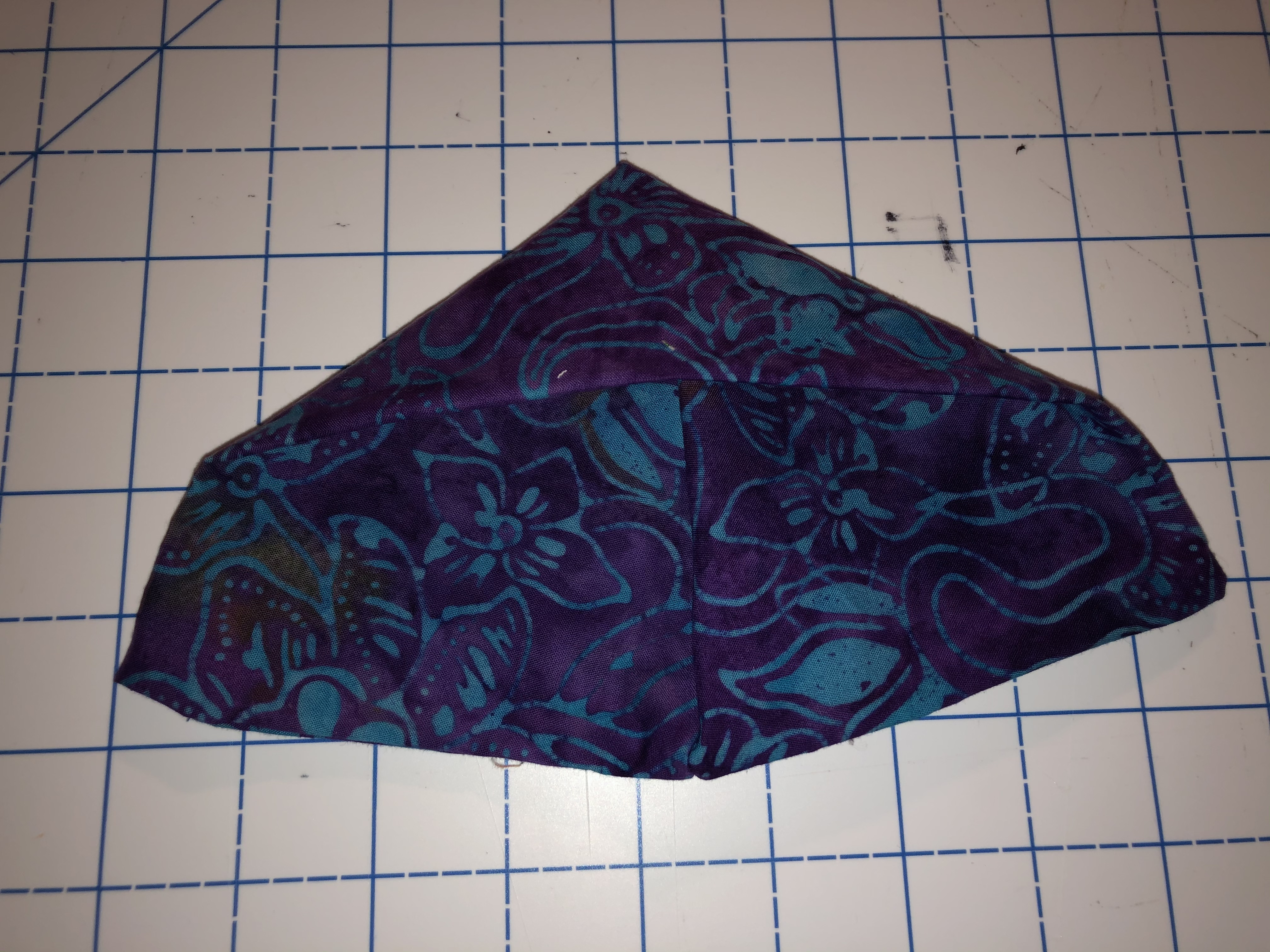
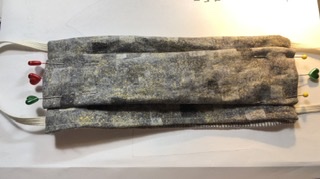
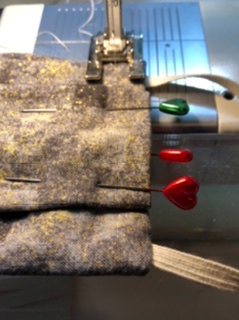
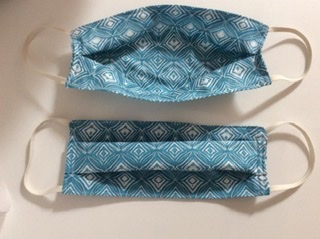
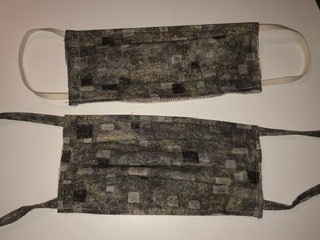 Scrambling to make masks and keep up with requests I did a little a little pleat experiment. Found some 9×13 inch scraps of a lightweight cotton, whipped up four quick masks Deaconess style, but made a box pleat instead of pleats that all went the same direction. This mask did not have a pocket for additional filtration. Since I do not know who my end user will be, I like to leave the pocket option open.







 Joan in Stitches